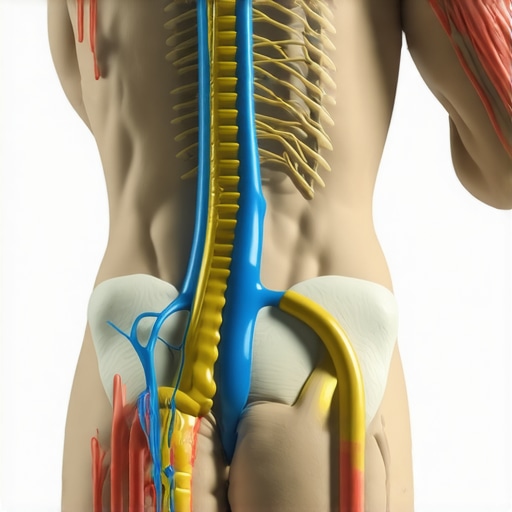
5 Bedside Drills to Stop Morning Back Stiffness Before Your Coffee
I used to dread mornings. Nothing worse than waking up, stretching lazily, and then feeling that aching back stiffen like concrete. One particularly rough weekend, I finally couldn’t ignore it anymore—it was like my spine was protesting every move I made. I remember trying to roll out of bed, only to be met with a sharp twinge that made me sit back down, frustrated and questioning my health. That was my lightbulb moment. I realized I wasn’t alone—probably you’ve felt this too: that sudden, jolting stiffness that makes even a simple stretch feel like a mission.
Now, here’s the truth: that morning back stiffness can be more than just an annoyance. It’s often a sign that our bodies need a gentle wake-up call, not just from the alarm clock but from the way we start our day. If ignored, it can lead to longer-term mobility issues or chronic pain. But here’s the good news—there’s a simple, effective routine you can do right in bed to prevent that morning misery before your coffee even kicks in.
I promise, these five bedside drills have transformed my mornings—and they can do the same for you. Whether you’re an early riser or a snooze-button mega-champion, incorporating these gentle movements can boost your spinal health instantly. Imagine waking up feeling loose, energized, and ready to conquer the day—no more grimacing into your first sip of caffeine.
Why are these exercises so effective? Well, it turns out that movement keeps our spinal discs nourished and muscles supple. Studies show that even mild mobility exercises help reduce stiffness and improve circulation first thing in the morning (source: https://quackersspinal.com/boost-mobility-ease-pain-chiropractic-techniques-unveiled). And let’s be honest—I learned the hard way that skipping these gentle stretches meant perpetuating that stiff-back cycle, especially when I tried to ignore the initial warning signs.
So, if you’ve ever woken up feeling like a rusty hinge, or dread that initial movement, stick with me. I’ll walk you through each drill, explain why it works, and show you how to do it right in your bed. No fancy equipment or hours at a gym required—just a few minutes each morning to set a smoother, less painful tone for your day.
Ready to turn mornings from stiff struggles into limber, pain-free starts? Let’s get into the drills that will change how you wake up each day.
Get Comfortable in Bed with Gentle Rotations
Lie flat on your back, arms out to the sides like a T. Slowly guide your knees to one side, keeping your shoulders grounded. Feel the gentle twist in your spine; hold for 15 seconds. I remember pressing my knees to the side during a rough morning, noticing immediate relief from stiffness. Repeat on the other side to loosen up your lower back and prepare your spine for the day.
Lift and Lengthen Your Legs to Wake Your Spinal Discs
While lying flat, flex your knees and slowly bring them toward your chest, hugging them gently. Then, extend your legs straight out, feeling the stretch along your lower back and hamstrings. I once did this while still in pajamas; after just a few reps, I felt my back muscles soften—a game-changer for mornings that used to start with pain. This movement promotes circulation and nourishes your spinal discs, encouraging flexibility.
Use Diagonal Knee Crosses for Spinal Mobility
Cross your right knee over your left leg, then gently pull both knees toward your chest. Switch sides after 15 seconds. Think of it as giving your spine a gentle, natural massage—like moving a door hinge to keep it swinging smoothly. Regularly practicing this helps maintain your spinal twist capacity, making your morning movements easier.
Practice Cat-Cow Movements in Bed
Position yourself on all fours, if your bedding allows, or simulate the motion lying on your stomach. Arch your back upwards like a stretching cat, then lower it into a belly-down position, lifting your head and tailbone (cow). Repeat slowly. During a morning when I was particularly stiff, doing this helped release tension in my thoracic and lumbar regions—akin to freeing a stuck hinge—it’s a crucial step in moblizing your spine for the day.
Incorporate Neck and Shoulder Rolls
But don’t forget your neck! Gently roll your head in a slow, circular motion—both clockwise and counter-clockwise—for 10 reps. Then, shrug your shoulders toward your ears and roll them back down. I caught myself tensing up during early mornings; these small movements—like rolling a stiff wheel—improve circulation and reduce tension in your upper back and neck. This is especially important if your sleep position or pillow height has caused neck stiffness.
How to Keep Up These Habits
Consistency is key. Set an alarm to remind you—a simple cue like stretching in bed can become part of your morning ritual. Remember, these movements are not intense; they are about awakening your body gently, much like warming up an engine before a drive. Over time, your back and neck will feel more resilient, reducing your chances of waking up stiff and sore each day.
Many believe that consistent stretching alone can cure chronic back or neck pain, but this oversimplification often leads to overlooked issues. For instance, stretching without addressing the underlying posture or joint mechanics can be ineffective or even harmful. A prevalent myth is that chiropractic adjustments are a quick fix, but in reality, lasting relief often requires a comprehensive approach that includes strengthening and lifestyle modifications. Relying solely on passive treatments can trap patients in a cycle of dependency, rather than promoting true healing.
One frequently missed nuance is the significance of spinal stability rather than just mobility. Too much focus on increasing flexibility can weaken stabilizer muscles, paradoxically increasing injury risk. Advanced practitioners recognize that targeted muscle activation, especially of core and postural muscles, is crucial for sustainable relief. Interestingly, research shows that improper movement patterns, such as compensatory motions due to joint restrictions, can lead to chronic pain that resists standard treatments (source: https://quackersspinal.com/backup-mobility-naturally-with-chiropractic-care).
A common pitfall many patients fall into is ignoring the interconnectedness of the body’s chains—like the hips, shoulders, and even feet—and how they influence spinal health. For example, a tight hip flexor can tilt the pelvis forward, increasing lumbar strain. Addressing these secondary issues is often overlooked but critical for long-term results.
Are you aware that aggressive stretching or manipulations without an assessment can sometimes exacerbate the problem? Moving beyond superficial fixes, a nuanced understanding involves addressing muscular imbalances, joint restrictions, and movement habits. That’s why more advanced approaches emphasize eigenergic stability exercises and neuromuscular training, which retrain proper control and coordination.
Remember, true progress in managing back and neck pain is layered. If you’ve been relying solely on one type of intervention, consider exploring comprehensive strategies. Want to learn more about how to tailor your treatment? Check out expert insights on [effective neck and back pain solutions](https://quackersspinal.com/neck-back-pain-solutions-insights-from-wellness-experts) or [advanced chiropractic approaches](https://quackersspinal.com/enhance-mobility-naturally-with-chiropractic-care).
Have you ever fallen into this trap? Let me know in the comments.Maintaining your spinal health demands more than just daily stretches; it calls for the right tools and consistent strategies. One device I swear by is a foam roller, specifically a 36-inch medium-density version. I use it weekly to release fascia tightness around my thoracic spine and hips, which are often overlooked yet crucial areas for overall mobility. Foam rolling helps break down adhesions, improves circulation, and prepares my body for longer-term movement patterns. For anyone serious about preserving mobility, investing in a quality foam roller is a game-changer.
Similarly, I rely heavily on a cervical traction device—an adjustable portable neck hammock. This simple tool helps decompress cervical vertebrae gently, alleviating tension accumulated from hours at a desk or prolonged screen time. I incorporate 10-minute sessions daily, which have significantly reduced my neck stiffness and headaches. These devices complement professional chiropractic care, providing ongoing relief and mobility maintenance between visits.
Beyond physical tools, employing targeted software solutions has become part of my routine. I utilize a posture-tracking app, which uses your device’s camera to give real-time feedback on your alignment during daily activities. By correcting posture habits early, I avoid developing chronic pain syndromes. Over time, these digital cues reinforce better habits, making spinal health a natural part of my lifestyle.
Prediction points toward an increasing integration of biofeedback wearables, like smart patches that monitor muscle tension and remind users to adjust their posture proactively. As technology evolves, expect personalized, data-driven insights that help sustain mobility and reduce joint strain effectively.
How do I maintain long-term mobility and neck health?
The key lies in combining these tools with consistent movement, proper ergonomics, and periodic professional assessments. Regular chiropractic check-ins—focused on addressing movement imbalances and stabilizer muscle weaknesses—are essential. This approach ensures that any minor misalignments or muscular imbalances are caught early, preventing larger issues down the line. For deeper insights into advanced techniques, exploring resources like enhance your mobility naturally with chiropractic care can prove invaluable.
Remember, your body adapts quickly; small, consistent efforts with specialized tools and professional guidance set the foundation for lasting relief. Try integrating a foam roller into your weekly routine or start using a posture app today. These simple steps can considerably improve your resilience against back stiffness and neck pain, helping you stay active and pain-free for years to come.
The Surprising Wisdom I Wish I Knew Sooner
One of the biggest lessons I learned was that quick fixes rarely lead to true healing. For years, I relied on isolated stretches or temporary massages, only to find my pain returning when I stopped. The breakthrough came when I understood the importance of addressing muscular imbalances and daily habits, which truly made a difference. It taught me that sustainable mobility requires patience and a comprehensive approach, not just quick actions.
Another insight was realizing how interconnected my body parts are. Neglecting my hips or shoulders often led to neck and back pain, proving that our bodies function as a complex chain. Focusing on these secondary factors, through targeted exercises and professional guidance, opened a new pathway to long-term relief. This perspective shifted my entire approach, making healing more holistic and effective.
I also discovered that consistency is more impactful than intensity. Daily gentle movements built momentum, gradually improving my spinal health. It’s not about pushing hard but about showing up every day with mindful actions. Over time, this habit created resilience in my back and neck muscles, allowing me to wake up pain-free and energized, which was a game-changer.
My Go-To Tools That Keep Me Moving
A sturdy foam roller, especially the 36-inch medium-density type, has been invaluable. I use it weekly to release fascia tightness that often sneaks up unnoticed. It’s simple, affordable, and incredibly effective in maintaining mobility, especially around my thoracic spine and hips. Investing in a quality foam roller was one of the best decisions I made for my back.
Next, I rely on a portable cervical traction device—the neck hammock. Just ten minutes a day of gentle decompression helps alleviate tension from hours at a desk or screen. It keeps my neck comfortable and reduces headaches, proving that small, consistent interventions can yield big results. Adding this tool to my routine made a noticeable difference in my daily comfort and long-term stability.
Lastly, a posture-tracking app has become essential. It nudges me to correct my alignment throughout the day, transforming posture awareness into a habit. As technology advances, these digital tools will only become more personalized, helping us proactively manage neck and back health. Embracing these tools has empowered me to stay active and pain-free—what could be more motivating?
Your Next Step Toward Freedom from Pain
Take action today by integrating small, consistent movements and trustworthy tools into your routine. Remember, dealing with back and neck pain isn’t about drastic changes but about sustainable habits that honor your body’s complexity. Whether it’s trying a foam roller, using a cervical traction device, or simply paying more attention to your posture, each step counts. Imagine waking up feeling truly refreshed, ready to embrace your day with confidence and ease.
And here’s my challenge to you: what small change can you commit to this week that might transform your back and neck health? Share your thoughts below—I’d love to hear your story.