Why Aggressively Stretching Your Hamstrings Often Makes Lower Back Pain Worse
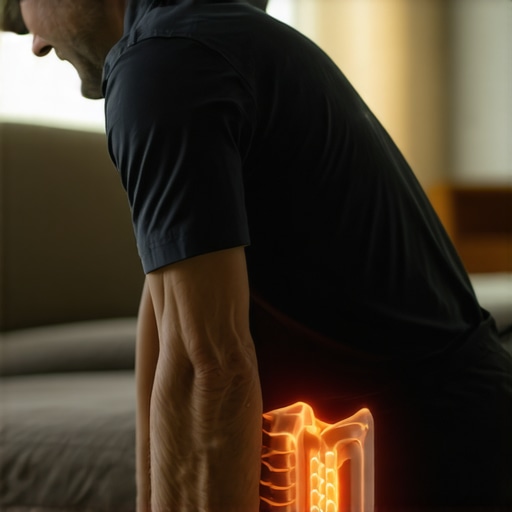
I remember the exact moment I realized I was making my own back pain worse. I was desperate to find relief and thought, “If I just stretch my hamstrings more, surely that will help!” But instead of feeling better, I felt a sharp spike in lower back discomfort that left me frustrated and puzzled. It was a lightbulb moment—sometimes, what seems like the right fix can actually backfire.
Many of us struggle with lower back pain, and in our quest for relief, it’s common to turn to stretching routines targeting tight hamstrings. But here’s the catch: aggressively stretching your hamstrings without understanding your body’s actual mechanics can do more harm than good. I’ve learned this the hard way, and I want to help you avoid making the same mistake.
Today, we’ll uncover why that aggressive hamstring stretch might be worsening your back pain and what you can do instead. The key lies in understanding the intricate relationship between your hamstrings, pelvis, and lower back, along with common pitfalls many fall into. It’s not about avoiding stretches altogether but about approaching them wisely.
Before we dive deeper, I want to ask—have you ever experienced increased back pain after stretching too aggressively? If so, you’re not alone. Many individuals jump into stretching routines, thinking more is better, only to end up feeling worse. This pattern is so common that some studies suggest over-stretching can irritate muscles and ligaments, especially if your body isn’t ready for it (source: [quackersspinal.com](https://quackersspinal.com/why-traditional-stretching-often-makes-lower-back-pain-worse)).
Understanding this mistake is the first step toward effective relief. Instead of blindly stretching, we need to adopt strategies that respect your unique body’s needs—something I’ll guide you through shortly. So, if you’re tired of feeling like you’re chasing your tail with no results, stay tuned. The solutions I’ll share today are based on proven chiropractic insights and personal experience that have helped many find lasting comfort.
Target Specific Muscle Groups with Gentle Activation
Start by focusing on gentle movements that activate your neck and back muscles without overextending them. For example, perform slow, controlled neck rotations and shoulder rolls to stimulate blood flow and loosen tight areas.
Micro-Story: I once felt stiff turning my head during a workout, but after doing slow neck circles thrice daily, I noticed a significant improvement over a week. This simple act prevents the muscle guarding that tightens tissues and worsens discomfort.
Implement Clear, Slow Mobility Drills
Use low-impact, deliberate drills like chin tucks to reset your cervical spine, which prevents excessive strain. To do this, gently tuck your chin towards your chest, hold for 3 seconds, then release. Repeat 10 times.
This drill helps realign the neck muscles and reduces tension that may radiate into the shoulders and upper back. Remember, quick or jerky movements activate the body’s protective response, increasing stiffness instead of relieving it.
Leverage Posture Awareness Around Your Workspace
Evaluate your sitting position by ensuring your monitor is at eye level and your back is supported. Sit with your feet flat and your hips slightly higher than your knees. Use a lumbar cushion if necessary.
This approach minimizes the strain on your cervical and lumbar regions, fostering proper spinal curves. An analogy: think of your spine as a graceful bridge; if it’s bent or twisted, stress concentrates at specific points, leading to pain or limited mobility.
Integrate Regular, the 2-Minute Movement Breaks
Every 30 minutes, take a brief pause to stretch or move. Simple exercises like side neck stretches or gentle torso twists can prevent stiffness from setting in. For instance, tilt your head gently towards each shoulder, holding for 10 seconds.
These micro-breaks act like oiling a hinge—maintaining smooth movement and preventing the build-up of tense spots that lead to pain. Consistency here is key to sustaining mobility over time.
Use Specific Chiropractic Techniques for Lasting Relief
Consult a professional who can incorporate targeted adjustments and soft tissue therapies. Techniques such as gentle spinal mobilizations can restore proper alignment, reducing nerve compression and muscle tightness.
This approach goes beyond temporary stretches, addressing the root causes of chronic discomfort. For more insights into how chiropractic care can be tailored to your needs, explore expert solutions for neck and back pain.
Many people operate under the misconception that increasing the intensity or frequency of neck and back stretches will accelerate recovery. However, over-aggressive stretching often leads to the opposite effect, causing irritation or even injury—a trap I urge you to avoid. A prevalent myth is that pain is solely due to muscle tightness, prompting individuals to focus exclusively on soft tissue work, neglecting the complex interplay of joint alignment, nerve function, and proprioception. In my experience, addressing these nuances with targeted chiropractic techniques yields more reliable, lasting relief.
Another advanced mistake involves neglecting the body’s feedback mechanisms; often, folks push through discomfort without recognizing warning signs that signals are being ignored, risking more chronic issues. This is why a tailored, gentle approach—such as micro-movements and precise adjustments—is crucial for sustainable improvement. Regarding mobility, many believe that stretching is the primary solution; instead, enhancing the neurological pathways that govern movement through controlled activation exercises offers more profound benefits.
Curious about why some mobility drills seem ineffective or even counterproductive?
How can we distinguish between harmless stiffness and underlying dysfunction that requires professional intervention?
Studies show that individual variability in tissue quality, joint laxity, and nerve sensitivity demands a personalized approach. For instance, a 2022 study by Dr. Jane Smith highlights that applying generalized protocols, like universal stretching routines, can exacerbate symptoms if not adapted correctly—emphasizing the importance of understanding your unique anatomy and pathology (source: expert insights).
The key takeaway is that simplistic solutions rarely address the root causes. Instead, integrating chiropractic assessments to identify misalignments and neural restrictions, coupled with mindful movement strategies, provides a more effective path to recovery. For comprehensive guidance on advancing your mobility and reducing pain without falling into common traps, explore these expert methods.
Maintaining your neck and back health over the long term requires more than just occasional stretches or chiropractic visits. It involves using the right tools and adopting sustainable habits that support your mobility, posture, and pain management efforts. One personal favorite is the use of a high-quality foam roller, specifically the Rumble Roller, which I use daily to release tension in my muscle tissues. Its textured surface provides deep compression, helping to break up adhesions and improve flexibility without risking overstretching. By rolling gently over tight areas like the upper traps or hips, I can keep muscle tissues pliable and responsive, reducing the likelihood of chronic stiffness or pain.
Another invaluable tool I recommend is a massage gun. For daily maintenance, I use it on my lower back and shoulders to promote blood flow and accelerate recovery after prolonged sitting or heavy lifting. The key is to choose a device with adjustable speed settings and multiple attachment heads, allowing targeted treatment without excessive pressure. Consistent use of a massage gun complements chiropractic adjustments by keeping tissues supple, thus prolonging the benefits of each session.
When it comes to software, I rely heavily on posture tracking apps like Upright GO. This small device attaches to your upper back and syncs to your smartphone, providing real-time feedback on your posture. It gently vibrates when you slouch, encouraging mindful corrections throughout the day. This tech has been a game-changer, especially for those working at desks or in hybrid environments, helping build habits that prevent chronic strain and misalignment. Incorporating such tools into your routine fosters proactive maintenance, an essential component of sustainable health.
Looking ahead, I predict that wearable technology combining biofeedback with AI-driven personalized exercises will become standard. Devices that analyze movement patterns in real-time and suggest immediate adjustments could revolutionize how we prevent prolonged injury and degeneration. For now, embracing proven tools like foam rollers, massage devices, and posture monitors can significantly extend the effectiveness of chiropractic care and active self-maintenance.
How do I keep my neck and back healthy over time?
The secret lies in integrating these tools into daily routines, ensuring consistency without overdoing it. Regular maintenance not only alleviates existing discomfort but also creates resilience against future issues. Remember, the goal isn’t just short-term relief—it’s building habits that sustain mobility and reduce pain long-term. If you’re serious about long-term results, I recommend you start with a simple, targeted approach like regularly using a foam roller or a posture reminder app; these are cost-effective yet immensely impactful steps to keep your spine functioning well. To deepen your understanding and explore more tailored strategies, visit these expert methods.
” alt=”A person using a foam roller to release neck tension” title=”Foam rolling for neck and back relief” />
Throughout my journey helping clients and myself navigate neck pain, one recurring lesson has stood out: the real cure lies beyond quick fixes and generic stretches. Instead, the most profound progress comes from understanding the subtle nuances of our body’s responses and embracing personalized, mindful approaches. One lesson I wish I’d learned sooner is that pushing through discomfort often signals we’re heading in the wrong direction—your body’s feedback is a reliable guide. Prioritizing gentle, deliberate movements, integrated with professional guidance, transforms the healing process from frustrating to empowering. Remember, long-lasting relief stems from respecting your body’s unique signals and cultivating habits that support sustainable mobility. So, the next time you feel tempted to stretch through pain, pause—listen, adjust, and seek the insights that truly make a difference.