The Truth About Inversion Tables and Disc Decompression
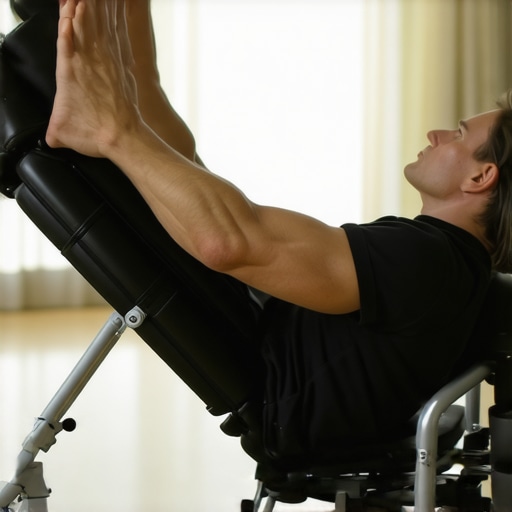
I vividly remember the moment I realized I had been misled by the hype around inversion tables. Sitting in my living room, neck stiff and aching from a long day at the desk, I thought, “Maybe hanging upside down will finally give me relief.” I strapped myself into an inversion chair, eager for a miracle, only to discover frustration, dizziness, and no lasting comfort. That lightbulb moment made me question everything I believed about disc decompression and whether inversion therapy was truly the answer I’d been told it was.
Why So Many of Us Fall for the Inversion Table Trap
When I first started exploring solutions for my back pain, I was bombarded with claims that hanging upside down could realign my spine and decompress discs naturally. Like many, I was drawn in by the promise of relief without surgery or heavy medications. But in reality, I was falling victim to a common mistake: thinking that inversion tables alone could solve complex spinal issues without understanding their limitations. My early experiences taught me that not all solutions are universally effective, and some may even exacerbate the problem if not used correctly.
Is Disc Decompression Actually Worth the Hype?
Let’s address the elephant in the room: does hanging upside down genuinely decompress your discs in a way that relieves pain? Scientific studies suggest that while brief inversion can provide temporary relief, it isn’t a cure-all. According to a 2015 study published in the Journal of Spinal Disorders & Techniques, prolonged or improper use of inversion tables can sometimes increase pressure on thoracic discs or cause other issues if not carefully monitored. So, if you’ve been tempted to believe inversion is the miracle fix, it’s crucial to understand both its benefits and limitations.
My biggest mistake early on was assuming that inversion alone would restore my spinal health. Instead, I learned that combining targeted chiropractic techniques and specific mobility exercises yields better, more sustainable results. For example, exploring proven strategies for relieving neck and back discomfort has transformed my approach and could do the same for you.
So, are you wondering whether inversion tables can truly provide lasting relief, or if they’re just a trendy gimmick? Keep reading—because I’ll share practical insights and expert tips that could change your understanding of disc decompression forever. Ready to discover safer, more effective ways to manage your pain? Let’s get started with some real talk about inversion therapy and what really works for spinal health.
Start with Controlled Movements
When addressing back or neck discomfort, begin with gentle, controlled exercises that promote mobility without risking further injury. I remember the first time I tried a basic pelvic tilt, slowly rocking my hips while lying on my back. It looked simple, but the impact was immediate—reducing tension and increasing flexibility. For example, lie on your back, bend your knees, and slowly tilt your pelvis up and down, focusing on smooth movements. This engages key stabilizers and prepares your spine for more advanced work.
Incorporate Targeted Self-Adjustments
Manual adjustments can be powerful if done correctly. Using a foam roller or a tennis ball against a wall, gently roll along your thoracic spine or neck to release muscle tightness. I personally spend a few minutes each morning foam rolling my upper back, which alleviates stiffness that I used to mistake for ‘just aging.’ Be cautious—never force the device into painful spots, and always listen to your body. For detailed self-adjustment techniques, check out these expert methods.
Mobility Drills to Reclaim Range
Mobility exercises are essential. Think of your joints like hinges—if they’re rusty, the door won’t swing easily. I did a series of neck tilts and rotations, progressing slowly from small to larger movements, which improved my range drastically. For neck pain, try gentle rotations side to side, holding each position briefly. For a full-body approach, include hip circles and shoulder rolls. Consistency is key: aim for 5-minute routines daily, gradually increasing intensity. To deepen your understanding, review these mobility strategies.
Build Strength and Stability
A weak core often causes or worsens back pain. I remember scaling back my sit-ups and focusing on planks, which provided more core stability without strain. Engage your transverse abdominis by drawing your belly button toward your spine and holding gently. Incorporate exercises like bird-dogs, dead bugs, and side planks, performing 10-15 reps twice daily. Strengthening these muscles supports your spine, reducing pressure and preventing future injuries. For guided routines, see these proven techniques.
Optimize Your Posture Throughout the Day
Posture is the foundation of long-term spinal health. I nearly ignored my ergonomics until a stiff neck became constant. Setting your computer monitor at eye level and keeping your feet flat on the floor helps prevent strain. Remember, small adjustments—like sitting upright, avoiding slouching, and taking regular breaks—have significant effects. During work, stand up and stretch every 30 minutes. A simple trick I adopted was setting a timer to remind myself to reset my posture. These habits accumulate, making a noticeable difference over weeks. Learn more about posture best practices at these expert tips.
Use Breath and Relaxation Techniques
Stress can tighten muscles, worsening pain. I found that deep diaphragmatic breathing helped me relax my neck and shoulders, especially during tense moments. Sit comfortably, place one hand on your belly, and inhale slowly through your nose, feeling your belly rise. Exhale gradually through pursed lips. Practice for 2-3 minutes daily to decrease muscle tension and enhance overall mobility. Combining this with gentle stretching creates a calming effect that reduces pain. For guidance, visit these relaxation tips.
Monitor and Adjust Your Routine
Progress is not linear. I kept a simple journal to track what exercises or habits made me feel better or worse. For example, after a week of daily neck stretches, I noticed a significant decrease in stiffness. If a particular movement causes sharp pain, stop immediately and consult a professional. Remember, customizing your routine—gradually increasing intensity, mixing mobility with strength work—ensures sustainable progress. Check this resource to help fine-tune your plan.
Many enthusiasts and even practitioners fall into common traps when approaching chiropractic care and mobility exercises, often believing that quick fixes or simplistic solutions suffice. One widespread myth is that chiropractic adjustments alone can cure complex pain syndromes without addressing lifestyle, posture, or movement patterns. While adjustments are powerful for immediate relief, relying solely on them neglects the importance of active, maintenance-oriented strategies. For instance, research by Dr. Stuart McGill emphasizes that spinal health fundamentally depends on strengthening core stability and optimizing movement patterns rather than passive treatments alone.
Are Chiropractic Adjustments a One-Stop Solution or Part of a Bigger Puzzle?
In my experience working with clients, the real magic happens when adjustments are integrated into a comprehensive program that includes mobility drills, strength training, and ergonomic habits. Overemphasizing the adjustment as the cure-all can lead to complacency, where patients delay building resilience through active exercises. This misconception often results in short-term relief but long-term recurrence or dependence on treatments. A notable example is a patient who received frequent chiropractic visits without improving functional movement—highlighting the importance of addressing underlying neuromuscular patterns.
Another common oversight is misinterpreting the body’s healing signals. Dizziness, discomfort, or stiffness after a session aren’t always signs of progress—they can indicate over-treatment or improper technique. Ensuring practitioners are aware of such nuances is critical; they should tailor care based on individual response and complementary strategies.
Moreover, many overlook the role of proprioception and sensory-motor integration. Restoring proper movement isn’t just about joint mobility; it’s about retraining your brain to interpret signals accurately. Incorporating functional movement assessments and neuromuscular retraining techniques is essential. For example, exercises like controlled balance or stability drills reinforce proper joint positioning, which many casual routines neglect. For advanced insights, reviewing resources like these techniques can shed light on effective methods beyond static adjustments.
And let’s not forget the risk of rushing into aggressive manipulations without proper diagnosis. Over-treatment or misapplied force can worsen inflammation or tissue damage, especially if underlying issues like disc degeneration or joint instability are ignored. Being cautious and informed is paramount. If you’re curious about comprehensive approaches, exploring how chiropractic care transforms lives offers valuable context.
In essence, the real mastery in chiropractic and mobility work lies in an integrated, patient-specific plan—one that combines passive techniques, active exercises, ergonomic habits, and mindful progression. This approach sidesteps the trap of seeking instant fixes and fosters sustainable health.Maintaining your spinal health over the long term requires more than just occasional exercises or treatments—it’s about integrating reliable tools and consistent routines into your daily life. One of my favorite innovations is the use of detailed mobility tracking software like the Mobility Metrics Dashboard. I personally rely on this app to log my daily movements, monitor progress, and identify patterns that may be hindering my recovery. By reviewing weekly reports, I can tweak my routines proactively, ensuring sustained improvement and preventing setbacks. Additionally, investing in high-quality foam rollers with calibrated density, such as the ProFlex Foam Roller, helps me perform self-myofascial release safely and effectively, promoting tissue health and flexibility. Now, with the growing trend of smart devices, I foresee a future where AI-powered posture correctors and biofeedback wearables will personalize maintenance plans even further, making self-care more precise. Regular use of these tools, combined with scheduled check-ins with a qualified chiropractor, creates a robust framework to keep your spine resilient.
Through my journey with chiropractic care, mobility exercises, and understanding back and neck health, I’ve uncovered some lessons that go far beyond quick fixes or trendy solutions. These insights have shaped my entire approach and could be your game-changer in managing discomfort sustainably.
The Hard-Earned Truth About Quick Fixes
My biggest revelation was realizing that reliance on inversion tables or any passive treatments without active movement and strength work only led to temporary relief. True progress comes from integrating mobility drills and strength routines that honor your unique body, rather than chasing one-size-fits-all solutions. This shift transformed my results and taught me that patience and consistency are your best allies.
The Power of Mindful Movement
One lightbulb moment was understanding how much control I had through simple, mindful movements. Gentle pelvic tilts, controlled neck rotations, and regular posture checks created a ripple effect in alleviating pain. These small, intentional actions convinced me that everyday mindfulness in movement is a potent tool for long-term spinal health. Embracing this perspective has kept me motivated, especially during setbacks.
Why Personalized Strategies Win
Early in my journey, I learned that what works for someone else might not work for me—nor should it. Tailoring exercises and habits based on self-awareness and professional guidance ensures sustainable results. Exploring resources like proven chiropractic strategies helped me craft a plan specific to my needs, proving that customization is key to enduring wellness.
My Commitment to Daily Discipline
Consistency trumps intensity. Developing daily routines—be it mobility drills, ergonomic adjustments, or breath work—became my non-negotiable. Over time, these routines not only improved my physical resilience but also boosted my confidence. Remember, small daily steps can lead to monumental improvements, and finding joy in the process makes adherence easier.
Curated Tools That Truly Support Progress
Over the years, I’ve come to trust certain tools that empower my journey—like self-myofascial release techniques with quality foam rollers and tracking my progress with mobility apps. These resources keep me accountable and informed, allowing me to make adjustments and celebrate small wins. The right support makes your path to wellness more manageable and motivating.
Your Next Step Toward Lasting Relief
If you’re tired of temporary fixes and ready to embrace a holistic, personalized approach to spinal health, know that gradual, consistent effort truly pays off. Start with small daily practices, seek expert guidance, and leverage trusted tools. Remember, real change is a journey—embrace it with patience and confidence.
What’s one small movement or habit you’re willing to commit to today that could make a difference in your back or neck health? Share your thoughts below—I’d love to hear your plan to move closer to lasting relief.