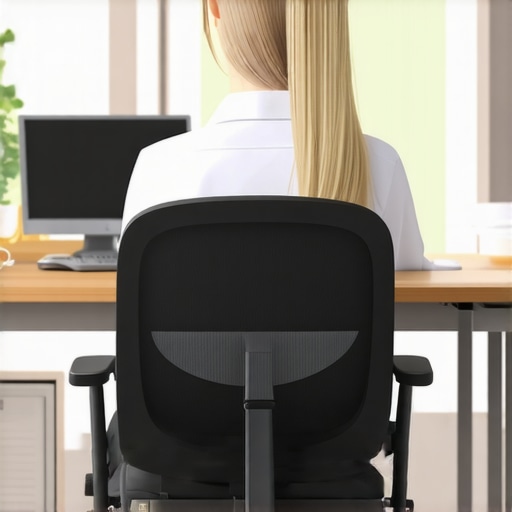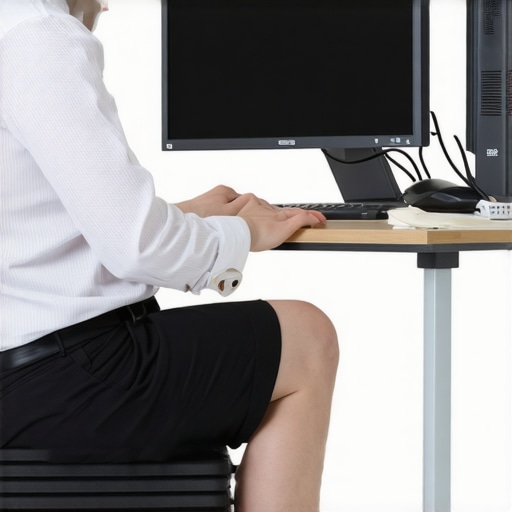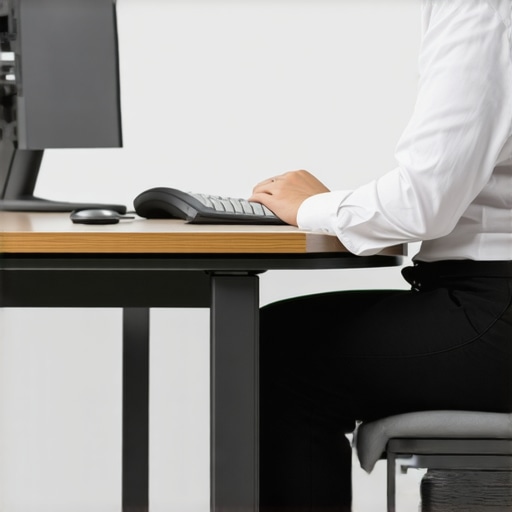
The Standing Desk Mistake That Makes Your Lower Back Ache
Have you ever felt that familiar, dull ache creeping into your lower back after a long day at your standing desk? I used to brush it off as just part of the work routine—until one day, I could barely stand without grimacing. That lightbulb moment led me down the road of discovering the biggest standing desk mistake many of us unknowingly make, which actually worsens back pain rather than alleviating it.
Spotting the Standing Desk Pitfall
What I found is that many standing desk users fall into a common trap: neglecting proper foot positioning and hip alignment. It’s so easy to focus solely on the height of the desk or the accessories we add, but overlooking how our body is actually holding itself can lead to chronic discomfort. I vividly remember my own mistake—cranking the desk up too high without considering my posture, which caused me to lock my knees and lean forward. Before long, my lower back started protesting loudly, and I felt more stiff than flexible.
Is Your Setup Actually Making Things Worse?
Early on, I thought adjusting the height would fix my aching back. Turns out, I was just shifting the problem around. The real issue was my poor posture—something I overlooked because I believed the desk was the real culprit. This misinformation is so common, and it’s why many folks give up on standing desks altogether. But the good news is, tiny tweaks can make a huge difference. Scientific studies have shown that improper standing posture not only increases discomfort but can also accelerate degenerative changes in spinal discs (source: Quackers Spinal).By recognizing this early mistake—focusing solely on height and ignoring alignment—I learned that you can transform your standing work into a comfortable, pain-free experience. Now, I want to guide you through how to correct this mistake and set up your workspace for optimal support. Ready to stop back pain right at its source? Let’s dive into the practical steps.
Adjust Your Foot Position and Hip Alignment
Start by standing naturally with your feet about shoulder-width apart. Imagine your feet as the foundation of a building; if they are uneven or too close together, your spine compensates, leading to strain. A good trick is to balance your weight evenly on both feet, akin to evenly distributing weight on a scale, which stabilizes your hips and supports your lower back.
Practical Step: Use a Mirror to Check Alignment
Position yourself in front of a mirror and observe your stance. Your hips should be level, and your knees slightly bent, not locked. I recall one morning, I adjusted my stance while watching myself in the mirror, noticing my hips were tilted; correcting this immediately reduced the pressure on my lumbar region.
Set Up Your Desk at the Correct Height
Ensure your desk height allows your elbows to rest at approximately a 90-degree angle. Think of your arms as the supporting beams of a bridge—they need to be level and supporting, not strained upwards or drooping down. If your desk is too high, you’re forced to elevate your shoulders, causing neck and shoulder tension.
Pro Tip: Use a Chair or Stool for Support
If your standing station is adjustable, try alternating between standing and sitting. This variation lessens continuous load on your spine. I once set my desk too high and teetered on a stack of books initially. When I lowered it to elbow height, I noticed an immediate decrease in fatigue and back discomfort.
Maintain a Neutral Spine and Proper Posture
Your spine should form a natural ‘S’ curve—ears over shoulders, shoulders over hips, hips over ankles. Picture your spine as a gentle wave, not a stiff rod. Locking your knees or leaning forward shifts stress to your lower back and neck.
Micro-Story: Resetting My Posture During Work
Every 30 minutes, I paused and performed a quick check, ensuring my ears aligned with my shoulders. When I caught myself leaning forward, I would subtly shift back. This simple habit improved my posture significantly over days, alleviating persistent back pain.
Incorporate Movement and Micro-Adjustments
Standing still for hours is as effective as trying to hold a plank all day—counterproductive. Shift your weight, bend your knees slightly, or take brief steps. Movement helps lubricate joints and prevents stiffness.
Effective Drill: The 2-Minute Hip Reset
Perform a quick hip flexor stretch or pelvic tilt every hour. This involves gently tilting your pelvis backward and forward, akin to tipping a boat to balance. Doing this occasionally prevents tight hips from pulling your lower back out of alignment, as I experienced during long conference calls.
Leverage Chiropractic Techniques for Lasting Relief
If persistent discomfort remains despite proper setup, consider consulting a chiropractor. Techniques such as spinal adjustments and soft tissue therapies can realign your posture and relieve nerve compression, supporting your efforts from the inside out. For more insights, explore these chiropractic methods.
While many believe that chiropractic treatment is solely about quick adjustments to relieve pain, the deeper truth revolves around understanding your body’s complex biomechanics. One common myth is that all chiropractors use the same techniques or that adjustments alone can permanently fix chronic issues. In my experience, this oversimplification often leads patients to overlook vital nuances that determine long-term relief, such as muscle imbalances, postural habits, and nerve mobility. For example, practitioners who focus solely on spinal manipulation may miss the interconnectedness of soft tissue restrictions which can be critical in cases of stubborn neck stiffness or recurring back pain.
What is the real factor behind persistent spinal discomfort that most overlook?
Research indicates that joint mobility, nerve conduction, and muscular health are deeply intertwined. A study published in the Journal of Manipulative and Physiological Therapeutics highlights that adaptive muscular patterns and fascial restrictions often maintain or even aggravate misalignments, counteracting the effects of adjustments alone (source). This means that focusing only on bone repositioning neglects the soft tissue and neural pathways that influence mobility and pain. An advanced approach involves integrating myofascial release and nerve flossing techniques, which are often overlooked in traditional chiropractic care but are crucial for lasting improvements. Don’t fall prey to the trap of believing adjustments are silver bullets—combining them with movement therapies and soft tissue work amplifies the healing process. If you’ve been relying solely on adjustments without addressing muscular and neural components, you might be missing the key to sustainable relief. Remember, understanding these nuances can prevent the trap of short-term fixes and promote real, functional recovery. Want to learn how these advanced techniques can make a difference? Check out this article on chiropractic secrets for mobility for more insights. Have you ever fallen into this trap? Let me know in the comments.Maintaining long-term mobility and pain-free movement requires more than just good posture; it demands the right tools and consistent routines. One of my favorite investments is a high-quality foam roller, specifically a **deep tissue muscle roller**. I personally use one daily because it helps release myofascial restrictions and boost circulation, which is crucial for preventing chronic tension.
Why a Foam Roller is Essential
Unlike generic massage balls, the larger surface area of a good foam roller allows me to target bigger muscle groups such as my back and hips effectively. Regular rolling reduces muscle tightness and improves soft tissue elasticity, which directly impacts spinal health. I’ve found that incorporating 5 minutes of foam rolling into my morning routine keeps my mobility intact and alleviates lingering stiffness. For durability and effectiveness, I recommend models with high-density foam and removable covers for hygiene.
Invest in a Posture Corrector
When it comes to maintaining proper alignment, especially after long hours at a desk, a posture corrector offers real benefits. I use a discreet brace that gently pulls my shoulders back during the workday. It’s not a crutch but a reminder to keep my spine in a neutral position. A well-chosen posture corrector paired with mindful movement helps to retrain my muscles and prevent slouching, which can lead to neck and back pain over time. For sustained results, I wear mine for no more than 30 minutes at a stretch to avoid dependency.
Leverage Digital Therapy and Tracking
In the digital age, wearable devices like posture sensors or apps that monitor my movement patterns make a significant difference. I use a dedicated app that syncs with my posture sensor, providing real-time feedback when I slouch or lean forward too long. This ongoing awareness helps me correct habits proactively, preventing pain from developing. Scientific evidence supports that biofeedback tools like these significantly improve posture over time, making them an invaluable part of my long-term strategy. You might explore similar options to build personalized routines that evolve with your needs.
Focus on Smart Mobility Tools
Mobility isn’t just about stretching; it’s about maintaining joint health and neural pathways. I incorporate resistance bands for gentle strengthening and dynamic stretches, which I cycle through throughout the day. These tools enhance circulation and help maintain the range of motion in my shoulders, hips, and spine. Research indicates that active recovery and mobility exercises prevent degenerative changes and support recovery from injury (source). Regularly scheduled mobility drills, like the 2-minute hip reset, are game-changers for me, especially after prolonged sitting or standing. I recommend integrating small yet consistent movements into your daily routine.
Looking Ahead: What’s Next in Tool-Assisted Care?
Emerging tech like neural tracking and bio-resonant devices will likely become mainstream, offering even more personalized care. These innovations aim to provide instant feedback and adaptive therapy, making maintenance more accessible and effective over time. Staying updated on technological advances can help you select the most effective tools for your ongoing health.
How do I maintain mobility and prevent back and neck pain long-term?
Consistency with tools like foam rollers, posture correctors, and mobility devices is key. Establish daily habits, such as quick posture checks and targeted mobility drills, and use smart tracking to stay accountable. For an advanced tip, try integrating the 2-minute hip reset into your midday routine—it’s a small step with big impact. Want to learn more? Discover comprehensive strategies in this resource or reach out for personalized guidance.
What Really Cuts Through the Noise of Common Missteps
One profound lesson I’ve learned is that the biggest breakthrough often comes from the simplest adjustments—like realigning your hips or mastering micro-movements—that most overlook in favor of flashy gadgets or quick fixes. Recognizing that my posture and everyday habits are the root of my discomfort was a game-changer, pushing me to focus on precision and consistency rather than temporary relief. This shift reminded me that genuine progress in back and neck health stems from understanding the nuances of our body’s feedback rather than chasing every new trend. If you’re serious about lasting mobility, honing these insights will serve you far beyond any single technique or tool.
Tools That Transformed My Perspective on Back Wellness
Over the years, I’ve curated a few resources that truly deepen understanding and accelerate healing. The book “Mastering Back and Neck Pain Relief” offered me detailed strategies rooted in real science, shifting my mindset from passive treatment to proactive management. The chiropractic techniques guide opened my eyes to specialized soft tissue work and nerve mobilization methods I hadn’t considered. Additionally, tracking apps like [MyPostureApp](https://quackersspinal.com) have helped me stay accountable to daily habits, making me realize that maintaining mobility demands ongoing awareness and patience. These tools, combined, create a comprehensive approach that’s both empowering and sustainable.