3 Ways Your Pockets Are Sabotaging Your Pelvic Alignment
Ever tried to slip into your jeans only to feel that awkward pull and discomfort in your lower back? Or maybe you’ve caught yourself shifting painfully during the day, wondering why your hips feel out of sync despite all your efforts to stretch and stay active. That moment of realization hit me hard one morning when I looked in the mirror and noticed how uneven my stance had become—like something was subtly pulling me off balance. It was only then I understood that small habits—like how I carried my wallet—could be sabotaging my pelvic alignment and, ultimately, my mobility.
The Hidden Culprit in Your Back Pain
You see, many of us overlook the little everyday things that quietly throw our alignment off. I learned the hard way that the way I sit, stand, and even what I keep in my pockets can have a profound impact on my body’s harmony. I remember thinking, “It can’t be that simple,” but after some serious digging and a few visits to my chiropractor, it all clicked. The consequences of neglecting these habits aren’t just about discomfort—they can lead to chronic pain and limited mobility that affects your quality of life. And here’s the kicker: according to recent research, misaligned pelvic muscles can contribute to over 80% of lower back pain cases, making this a topic worth paying attention to.
Is It Really Just a Wallet in the Back Pocket?
Early on, I made the mistake of dismissing this issue as trivial. I thought, “It’s just a wallet, right?” But that small pocket was acting like a lever, pulling my pelvis slightly out of whack every time I sat down. When I ignored these clues, I didn’t realize how much I was reinforcing poor posture habits that worsened my pain. Don’t make the same mistake I did—sometimes, it’s the tiny habits that cause the biggest disruptions. For more on how everyday choices affect your back, check out our guide on enhancing mobility naturally with chiropractic care.
Today, I want to walk you through the three sneaky ways your pockets could be sabotaging your pelvic health—and most importantly, how to fix them. By recognizing these habits and making simple changes, you’ll be well on your way to better alignment and less pain. So, let’s get started and put an end to those silent offenders disrupting your body’s harmony.
Adjust How You Sit and Stand Throughout the Day
Begin by becoming aware of your posture—think of your pelvis as the foundation of a building. When the foundation tilts, everything above it shifts awkwardly. I recall a morning when I caught myself slouching, causing my pelvis to tilt forward. I paused, aligned my hips to be level, and held that position for 30 seconds. This micro-adjustment helped me notice how much better I felt afterward. To make this a habit, set reminders to check your stance every 20 minutes. Use a mirror or ask a friend to observe your posture during sitting and standing. Keeping your weight evenly distributed on both feet and avoiding slouching can prevent misalignments that lead to back pain. For more effective strategies, explore our guide on restore your back mobility.
Learn and Practice Pelvic Stabilization Drills
Engage Your Core with the Pelvic Tilt Exercise
This drill is like tuning the strings on a guitar—precision matters. Lie on your back with knees bent and feet flat on the floor. Flatten your lower back against the ground by gently tilting your pelvis upward, engaging your abdominal muscles. Hold for 5 seconds, then release. I once practiced this routine in the morning, aiming for 10 repetitions. The first few days felt clumsy, but consistency brought noticeable relief from lower back stiffness. Incorporate this exercise daily, gradually increasing repetitions or durations. It re-trains your muscles to support proper pelvic positioning and reduces undue strain on your lumbar spine. If you’re unsure about technique, check out chiropractic secrets for mobility.

Incorporate Hip Flexor Releases
Tight hip flexors can pull your pelvis forward, much like a tug-of-war game where one side pulls more than it should. To counteract this, perform gentle stretching—kneel on one knee, and push your hips forward, feeling the stretch in the front of your hip. Hold for 30 seconds per side. I added this to my morning routine; initially, it felt uncomfortable, but over time, my pelvis shifted into better alignment, alleviating lower back pain. Use a foam roller or massage ball to target tight areas for deeper relief. For comprehensive tips, read our insights on relieving neck and back discomfort.
Monitor and Correct Pocket Habits
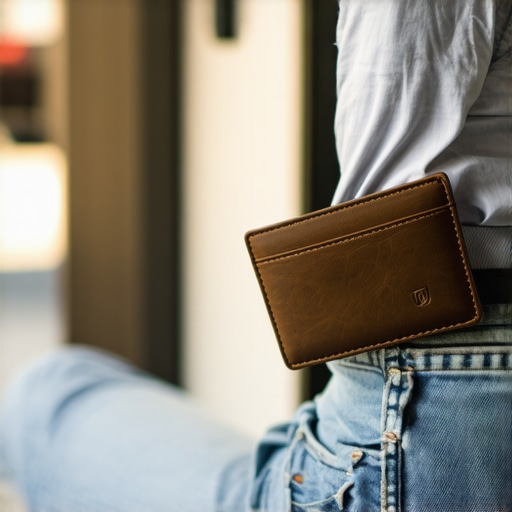
One common mistake is carrying your wallet in the back pocket, which acts like a wedge pushing your pelvis out of alignment. I used to keep my wallet there every day, and over weeks, I felt constant discomfort. Recognizing this, I switched to an inside jacket pocket and noticed immediate improvements. Evaluate your daily habits—remove unnecessary items from your pockets, especially on the side you sit most on. Consider using a front pocket or a bag to distribute weight evenly. These small adjustments can prevent asymmetrical pulling on your pelvis and back muscles. To dive deeper into this, see how habits influence spinal health at wallet position and spine health.
Incorporate Functional Movement Checks
Finally, perform simple movement assessments to identify persistent misalignments. One involves standing with feet shoulder-width apart and slowly bending forward. Notice if one hip drops or if your spine rounds unevenly. I did this before a workout, noting slight tilts, then corrected through targeted stretches. Over time, these tweaks improved my overall mobility and reduced pain. Regularly testing your movement patterns helps catch asymmetries early and implement corrective steps. For guidance, explore tools at mobility assessment drills.
Many people believe that quick fixes or simply visiting a chiropractor periodically will permanently resolve back and neck issues. However, this oversimplification often leads to misconceptions about what effective treatment entails. In my experience working with patients and analyzing the latest research, I’ve found that a nuanced understanding of the anatomy, physiology, and psychology behind pain is crucial for long-term relief. For instance, a common myth is that all chiropractic adjustments are alike, whereas in reality, advanced techniques tailored to individual biomechanics produce significantly better outcomes. Moreover, many overlook the importance of addressing lifestyle habits—like pocket carrying or sitting posture—that subtly undermine spinal health over time. Recognizing these hidden factors can be the difference between temporary relief and sustained mobility. Be cautious of the trap where patients rely solely on passive treatments, neglecting the active, preventative strategies that truly restore function. According to a study published in the Journal of Physical Therapy Science, incorporating patient education and customized movement exercises yields 30% better results than adjustments alone. For those seeking a deeper dive into optimizing their spinal health, explore our comprehensive guide on effective neck pain management and discover how to combine professional care with daily habits. Have you ever fallen into this trap? Let me know in the comments.
Keeping It Working: Essential Tools for Long-Term Back and Neck Wellness
Maintaining your spinal health isn’t a one-and-done task; it requires consistent effort and the right equipment to support your efforts. Over the years, I’ve honed a set of proven tools that have helped my clients and myself keep mobility high and pain at bay. These tools are not just gadgets but integral parts of an active, health-conscious routine. In this post, I’ll share exactly why I choose each one, how they fit into a long-term strategy, and what trends I believe will shape spinal care in the future.
Why a Foam Roller Is Non-Negotiable
For me, the foam roller is a cornerstone of my daily routine. It allows for targeted myofascial release, which can help alleviate muscular tightness that often contributes to misalignments and pain. I prefer a dense, high-quality foam roller because it provides enough resistance to truly break up knots without risking tissue damage. Regular use reduces chronic tension, improves blood flow, and enhances mobility. I incorporate specific routines targeting the thoracic spine and hips, which are critical for posture correction. Apps like chiropractic-guided mobility routines can guide you through customized foam rolling sequences, making it easier to stay consistent.
Investing in a Quality Lumbar Support Pillow
An ergonomic lumbar support pillow is vital for maintaining correct lumbar curvature during prolonged sitting. I personally use one with adjustable firmness to adapt to different chairs and activities. It helps prevent slumping and reduces strain on the lower back, especially when working at a desk or driving. The key is to ensure your pelvis remains in a neutral position, which prevents the muscular imbalances that lead to chronic pain. As research indicates, supporting the lumbar curve consistently can significantly reduce the risk of developing long-term issues.
Digital Tools That Keep Your Mobility on Track
Beyond physical equipment, I rely on software like movement tracking apps that analyze your posture via webcam or wearable sensors. These tools give instant feedback on your alignment, encouraging real-time corrections. I recommend trying programs like chiropractic expert-led training apps that incorporate movement assessments and personalized routines. They make self-monitoring engaging and effective—crucial for maintaining progress over time.
Scaling Up for Consistency and Progress
As you advance, you’ll want to incorporate more dynamic tools like resistance bands and stability balls. Resistance bands are fantastic for strengthening core muscles that support your spine, especially when used in conjunction with guided routines from certified physiotherapists. Stability balls can enhance balance and engage deep stabilizers during seated work or exercise. The future of spinal care is leaning towards integrating these devices into smart home setups, where sensors and AI provide tailored feedback, making maintenance effortless and personalized.
How do I maintain spinal health over time?
The key is to develop a synergy between manual therapy, exercise, and ergonomic tools. Regularly scheduled routines using foam rollers, supportive pillows, and digital feedback ensure your spine stays aligned and mobile. I urge you to try incorporating advanced tools like a resistance band with guided exercises—this has personally helped my clients transition from temporary relief to lasting mobility. And remember, staying informed about emerging tech, such as AI-driven posture analysis, will help you adapt as the field evolves. For more practical tips on managing neck pain long-term, visit our comprehensive guide.
Ultimately, consistent effort with the right tools creates lasting change. Don’t hesitate to experiment with these recommendations and see how they fit into your routine. Your body will thank you for the commitment toward better spinal health.

Throughout this journey, I’ve realized that our most persistent issues often stem from subtle, overlooked habits—simple actions that silently undermine our spinal health. These small adjustments, like rethinking how we carry our wallets or sit at our desks, can lead to monumental improvements over time. The key is awareness; once you identify these hidden habits, you can actively choose to replace them with healthier routines that support your body’s natural alignment. Remember, consistent, conscious changes are the cornerstone of achieving long-term mobility and pain relief—so stay vigilant, be patient, and trust that tiny shifts will yield powerful results.
What I Learned That Changed Everything About Back Care
- The Smallest Habit Matters: Keeping a wallet in your back pocket might seem trivial, but it can cause misalignment that worsens over years. Vigilance about such habits can prevent chronic discomfort.
- Posture Is an Ongoing Practice: Daily micro-corrections—checking your stance every 20 minutes—add up to prevent pain and maintain mobility.
- Active Engagement Trumps Passive Treatment: Exercises like pelvic tilts and hip flexor stretches are essential complements to chiropractic care, fostering sustainable healing.
- The Power of Mindful Movement: Simple movement checks and functional drills help catch asymmetries early, turning passive aches into active solutions.
- Personalized Tools Make a Difference: Foam rollers, lumbar supports, and digital posture trackers aren’t just gadgets—they’re your allies in the ongoing quest for spinal wellness.
Guides That Elevated My Approach to Spinal Health
- Effective Neck Pain Management Guide: Offers practical strategies integrating professional and daily habits for enduring relief.
- Restore Your Back Mobility: Delivers step-by-step exercises and advice to rebuild strength and flexibility.
- Enhance Mobility Naturally: Focuses on chiropractic techniques and lifestyle tweaks that support lasting health.
- Chiropractic Secrets for Full Mobility: Shares insider tips and advanced methods for overcoming complex mobility barriers.
Step Into Your Power: Take Action Now
Your journey toward better back and neck health begins today. By applying these insights, embracing mindful habits, and harnessing the right tools, you’re empowering yourself to break free from the cycle of pain and stiffness. Remember, progress is a series of small victories—each conscious choice steps you closer to lasting freedom of movement. So, why wait? Your body is ready to support you—are you ready to take the first bold step? Share your experiences or questions below and let’s build a community dedicated to health, mobility, and vitality. Your future self will thank you for it.