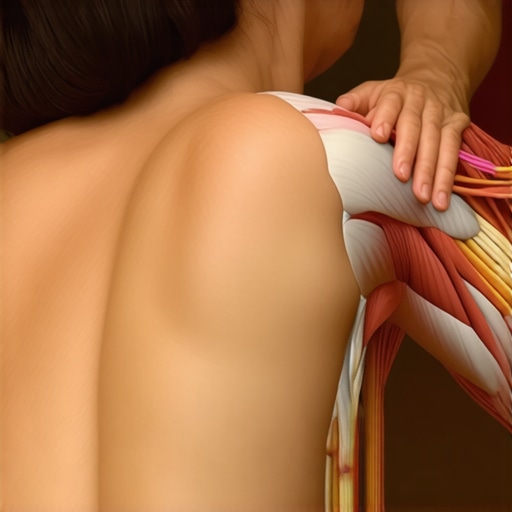
Why Your Glutes Turn Off When You Sit and How to Wake Them
It happened during one long meeting—my hips felt frozen, and suddenly I realized my glutes had just switched off entirely. That sluggish drag, which I brushed off as fatigue, was actually a sign of something deeper. I used to think sitting comfortably meant I was relaxing, but what I didn’t realize then was how much I was neglecting my body’s needs—and how that neglect was silently wreaking havoc on my movement and posture.
Reviving Your Glutes: Why It Matters
Understanding why your glutes turn off when you sit isn’t just about avoiding awkward postures. It’s about protecting your entire back, hips, and even your knees. When your glutes go dormant, other muscles have to take up the slack, often leading to pain, stiffness, and decreased mobility. I learned this firsthand—initially, I kept pushing through discomfort, thinking it was just usual tightness. But early on, I made the mistake of dismissing my own warning signs, which later worsened my condition. Trust me, I’ve been there. I know the frustration of feeling stuck in a cycle of discomfort and uncertainty.
Is Glute Activation Overhyped?
Many skeptics ask whether exercises targeting the glutes really make a difference or if it’s just another fitness trend. Honestly, I was one of those doubters in the beginning. But after countless sessions correcting my own movement patterns and experiencing real relief, I can confidently say that activating and strengthening your glutes isn’t just hype—it’s a game changer. If you’re tired of feeling stiff after sitting all day or waking up with neck and back pain, then understanding how to wake those sleepy muscles can truly transform your daily life. I once believed that sitting was just a part of modern life, but now I know better. Small adjustments, like incorporating specific mobility drills, have made a world of difference for me. Curious about how to get started? Let’s explore some simple, proven strategies to revive your glutes and restore your movement freedom.
Activate Your Glutes Starting Today
To kickstart your glute engagement, lie on your back with knees bent and feet flat on the floor. Think of this as rearming a stubborn muscle — it’s like rewiring a flickering light. Begin by squeezing your buttocks tight for five seconds, then release. Repeat this 10 times, focusing on quality over speed. I once did this in my living room, fumbling with my phone in one hand, but within two minutes, I felt a subtle warmth ignite where there had been silent dormancy.
Integrate Dynamic Mobility Drills
Bird Dog for Balance and Stability
Get onto your hands and knees, keeping your spine neutral — like a straight bridge stretched across a river. Extend your right arm forward and left leg back simultaneously, maintaining core tightness. Hold for three seconds, then switch sides. This drill is excellent for firing up your posterior chain—think of it as tuning the engine before a long drive. I added this to my morning routine when I started noticing stiffness, and over time, my posture improved noticeably.
Bridge Variations to Strengthen
Lie on your back with knees bent, feet hip-width apart. Push through your heels to lift your hips, creating a straight line from shoulders to knees — imagine trying to press a coin between your glutes. Pause at the top, then lower slowly. For added challenge, perform single-leg bridges or incorporate small pulses at the top. This move reactivates dormant muscles, much like flashing a bright light into a dark room to see what’s hiding there. After a week of consistent practice, I noticed my hips felt more stable during daily activities.
Optimize Your Sitting Habits
When seated, avoid slouching that collapses your lumbar curve — it’s like folding a paper repeatedly until it weakens. Instead, sit with your back supported, feet flat, and knees at 90 degrees. Every 30 minutes, stand up and perform quick glute squeezes or hip circles to keep muscles engaged — think of it as giving your body a quick reset button. I found setting a gentle reminder on my phone helped break the cycle of inactivity, making a tangible difference in my lower back comfort.
Leverage External Supports and Tools
Consider using lumbar rolls or ergonomic cushions to maintain proper spinal alignment during work. These support devices are like scaffolding, providing structure while your muscles strengthen. Over time, your body learns to hold proper posture independently, reducing strain and preventing muscles from falling asleep again. I personally experimented with different cushions, and choosing the right support felt like anchoring a shaky boat—suddenly, my entire posture felt sturdier.
Consistent Movement is Key
Integrate short intervals of glute activation into your day—think of it as watering a plant regularly to keep it thriving. Small, frequent movements prevent muscles from languishing in inactivity. Even ten minutes of dedicated mobility drills daily can prevent the quiet shutdown that leads to pain and stiffness. I started with a five-minute routine, gradually increasing to ten, noticing that my mornings became much smoother, and pain decreased significantly. For more personalized strategies on back health, explore how chiropractic care enhances mobility.
Many people believe that visiting a chiropractor alone will instantly resolve complex back and neck issues, but the reality is more nuanced. A prevalent misconception is that chiropractic care is a quick fix, when in fact, successful long-term relief often requires comprehensive lifestyle adjustments and understanding underlying movement patterns. For instance, relying solely on spinal adjustments without addressing mobility deficits or postural habits can lead to temporary relief but not lasting benefits.
Another misconception is that pain is always an accurate indicator of the problem severity. In reality, pain can be a delayed or misleading symptom, especially in cases of nerve impingement or muscular compensation. This is why advanced assessments and movement audits are crucial—something I emphasize when discussing comprehensive back and neck pain solutions.
A common trap many fall into is thinking stretching alone will fix mobility issues. While stretching can improve flexibility temporarily, overdoing it without strengthening and stabilization can exacerbate joint laxity or create imbalances. The *hidden nuance* here is understanding the specific mobility deficits—sometimes, restricted motion results from joint stiffness that needs mobilization rather than stretching, or from muscular tightness that requires targeted release techniques. As noted in expert studies, incorporating mobility drills with manual therapy dramatically improves outcomes.
Now, consider this question:
How should advanced mobility training differ from basic stretching routines?
This is an important question for those looking to optimize their movement and prevent further injury. Advanced protocols focus on neuro-muscular control, joint stabilization, and functional movement patterns—elements often neglected in standard stretching routines. Consulting detailed strategies such as those outlined in chiropractic techniques for mobility enhancement can make a significant difference.
Moreover, many underestimate the impact of sitting postures and ergonomic habits in perpetuating back issues. Failing to correct these everyday habits can turn minor discomfort into chronic pain. Remember, the key is consistency and a holistic approach that combines chiropractic adjustments, mobility work, and ergonomic awareness. For more insights on integrating these strategies, visit comprehensive back pain management tips.
In conclusion, unlearning common myths and recognizing the subtle, often overlooked factors can prevent setbacks and accelerate recovery. Have you ever fallen into this trap? Let me know in the comments.
Keep It Working with Trusted Tools
Maintaining your spinal health over time requires the right equipment and techniques to support your mobility journey. Personally, I’ve found that investing in quality tools makes a significant difference in the consistency and effectiveness of my routines. One of my go-to items is the **foam roller**, specifically the **adoutherapeutic-grade (EPP) foam roller**, which I use daily to target my thoracic and lumbar regions. Its dense material ensures deep tissue release without losing shape, helping to break adhesion in muscles and fascia, thereby improving mobility and reducing stiffness. Regular use of a foam roller has been linked to decreased back pain and enhanced posture, as supported by various studies including insights from chiropractic experts.Through my journey of rehabilitating my own back and neck pains, I uncovered some unexpected truths that transformed my approach to mobility. One of the most profound lessons was realizing that persistent discomfort often masks deeper muscle inactivity rather than just overuse or injury. I learned that listening to subtle cues from my body, like lingering stiffness or unusual fatigue, could reveal which muscles needed awakening. Small, intentional moves—like targeted glute squeezes or spine resets—became my secret weapons against chronic tightness. Moreover, I discovered that a consistent habit of brief, mindful mobility checks can prevent problems before they escalate, fostering long-term resilience. This insight underscored the importance of integrating these micro-movements into daily routines to sustain spinal health and prevent future issues, shaping my understanding that true healing is a mindful, ongoing process rather than a quick fix.