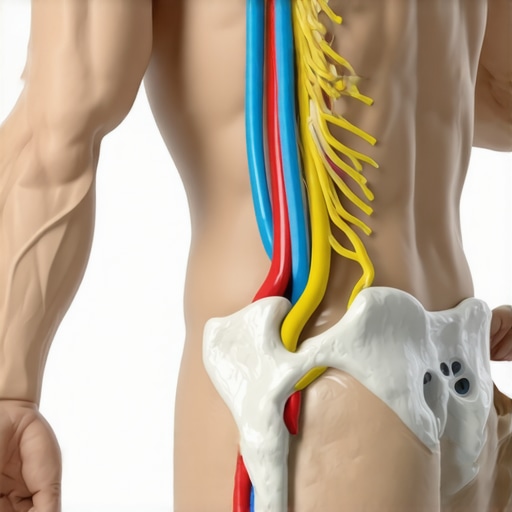
The Bird-Dog Exercise: The Gold Standard for Spinal Stability
Ever feel that sudden twinge in your lower back after a long day of sitting or bending over? Or maybe you’ve experienced that frustrating moment in the gym when your core feels wobbly, and your stability seems to vanish just when you need it most. I’ve been there—caught in that confusing limbo of wanting to move freely but feeling trapped by persistent discomfort. One lightbulb moment changed everything for me, and it was simpler than I imagined—the Bird-Dog exercise. It’s often underestimated but holds the key to unlocking a stronger, more resilient spine.
The Missing Link in Spinal Health
Our spines are incredible yet vulnerable structures, taking on the weight of our entire body. When stability falters, it doesn’t just cause pain; it hampers our ability to perform basic daily activities. I used to think that crunches or planks alone could do the job, only to find that my low back still ached and my balance was shaky. It wasn’t until I discovered the Bird-Dog exercise—a movement rooted in core stability and motor control—that I started noticing real change. Unlike traditional exercises, this move emphasizes a functional approach to maintaining the health of your spine, making it a cornerstone of recovery and prevention.
In fact, research shows that targeted stability exercises like the Bird-Dog can improve postural control and reduce injury risk. A study published in the Journal of Orthopaedic & Sports Physical Therapy highlights how core stabilization activities can effectively manage conditions like chronic low back pain and enhance overall movement quality (more on how chiropractic care complements these strategies).
So, if you’ve ever felt your back wobble like a newborn foal or experienced that nagging discomfort that just won’t quit, you’re not alone. Many of us face this fight daily, often without realizing that simple, practical adjustments can make all the difference.
Why This Matters Today
In our busy lives—whether it’s endless hours at a desk, caring for family, or intense workouts—our spines are under constant stress. The good news? You don’t need fancy equipment or hours at the gym. A few mindful movements, especially exercises focusing on spinal stability, can dramatically improve your quality of life.
Let’s explore how you can harness the power of the Bird-Dog exercise to build that vital stability—no gimmicks, just real, effective steps that I’ve personally tested and refined over the years.
Is the Bird-Dog Exercise Actually Worth the Hype?
It’s a fair question. I remember early on thinking that this move looked too simple to make a difference. I made the mistake of rushing through it without paying attention to proper form. That’s a common pitfall. Trust me, the real magic happens when you perform it intentionally, focusing on engaging your core and maintaining a neutral spine. Once I corrected that, the improvements in my balance and pain levels were undeniable. Making this mistake early on taught me how crucial technique is—something I now emphasize to everyone I work with.
Perfect Your Starting Position
Begin on all fours, aligning your wrists under shoulders and knees under hips. Imagine setting up the foundation of a house—stability is key. I once rushed this step, ending up with my hips too high or sagging in the middle, which compromised the move. Take your time to find a neutral spine, avoiding any sagging or arching, like a plank of wood that is perfectly straight. This setup primes your muscles for effective engagement and prevents strain.
Engage Your Core Before Moving
Contract your abdominal muscles gently—think of tightening a belt around your waist—without holding your breath. I recall doing this in front of a mirror, noticing my belly slack if I wasn’t mindful. Proper engagement provides a stable base for limb movement. This activation not only supports your spine but also trains your deep core muscles to respond automatically during daily activities, reducing injury risk.
Lift Opposite Arm and Leg
Extend your right arm forward while simultaneously lifting your left leg straight back, maintaining that neutral spine. Picture a tightrope walk—balance is everything. I once hurried through this, resulting in a wobble that my lower back quickly reminded me of. Focus on smooth, controlled movements, avoiding any rotation or twisting of your torso. This deliberate motion rewires your brain, improving neuromuscular control and reinforcing spinal stability over time.
Maintain Proper Alignment Throughout
Keep your head in line with your spine—that means looking down at the floor, not forward or up. Think of your neck as the extension of your spine, not an afterthought. During my early attempts, I neglected this and experienced tension in my neck. Regularly check your posture, ensuring your hips stay level and your movements are deliberate, like a skilled dancer. Consistency in alignment maximizes the exercise’s benefits and guards against compensatory strain.
Hold and Breathe
Maintain each extension for about 5 seconds, breathing steadily. I once held my breath in excitement, which made my muscles tense and my form slip. Remember, controlled breathing helps sustain the movement and encourages relaxation of unnecessary tension, fostering better motor control. Use your breath as a rhythm to pace your repetitions, ensuring quality over quantity.
Progress Gradually
Start with 8-10 repetitions per side, adjusting as your stability improves. Don’t rush; a common mistake is to increase reps too quickly, risking form breakdown. I learned this the hard way when my lower back started to ache after overdoing it. Focus on slow, mindful execution to build strength steadily, much like layering bricks for a sturdy wall. Over time, this consistent effort transforms shaky stability into reliable support, reducing back pain and enhancing overall posture.
Integrate Into Daily Routine
Perform this exercise 3-4 times weekly, embedding it into your morning or evening stretch. I found that sticking to a routine helped cement the habit, making spinal health a priority rather than an afterthought. Over weeks, I noticed a significant decrease in discomfort and an increase in confidence during activities that once triggered pain. Remember, consistency and precision in each movement create lasting change—think of it as investing in the foundation of a stronger, healthier spine.
Many believe that stretching is the ultimate solution for neck and back pain, but in my experience, this common assumption often misses the mark. Stretching can sometimes exacerbate issues if done improperly or without understanding the root cause. For example, aggressive or incorrect stretching of tight muscles around the neck or lower back can lead to increased nerve compression or instability, rather than relief. It’s crucial to recognize that mobility isn’t just about loosening muscles—it’s about restoring proper joint function and neuromuscular control. A study published in the Journal of Manipulative and Physiological Therapeutics highlights that targeted manual therapies combined with neuromuscular exercises often outperform generic stretching routines for chronic pain relief.
What advanced misconceptions hinder effective treatment?
One prevalent myth is that pain always indicates tissue damage, leading many to focus solely on symptom suppression rather than addressing functional deficits. This oversight might delay proper recovery and increase the risk of recurrence. For example, people often self-manage neck pain with neck braces or excessive rest, which can weaken supporting muscles and lead to longer-term issues. Instead, active movement strategies, guided by a skilled chiropractor, can improve joint mechanics and nerve health, promoting lasting relief. You can learn more about these nuanced approaches at this comprehensive resource.
Another mistake is assuming that all pain is purely muscular or joint-related; sometimes, nerve entrapment or subtle postural misalignments play a critical role. These issues require a refined assessment and tailored intervention. Engaging in advanced core stabilization exercises without addressing underlying joint restrictions may only provide temporary relief. Recognizing the importance of combining soft tissue work, joint adjustments, and neuromuscular training is key to sustainable progress.
Why does ignoring spinal mobility nuances lead to setbacks?
Ignoring the subtle nuances of spinal mobility can cause a vicious cycle of temporary fixes and recurring pain. For instance, neglecting to correct pelvic tilt or thoracic stiffness can place additional strain on the cervical and lumbar regions, aggravating neck and back pain over time. A holistic understanding that considers the kinetic chain enhances treatment effectiveness. As I recommend, integrating chiropractic adjustments with functional mobility drills—like the ones detailed here—can unlock profound improvements.
Remember, moving beyond simplistic notions and embracing the complexity of spinal health allows for smarter, more effective solutions. Whether you’re seeking to improve everyday movement or recover from injury, understanding these subtle differences makes all the difference. Have you ever fallen into this trap? Let me know in the comments.
Tools I Recommend for Long-Term Spinal Wellness
Maintaining spinal health isn’t a one-time effort; it’s an ongoing process that benefits greatly from the right tools and techniques. Personally, I rely on a combination of ergonomic accessories and specialized equipment to support my mobility and address issues proactively. An adjustable standing desk has become a staple in my workspace, allowing me to alternate between sitting and standing, which reduces muscle fatigue and encourages better posture. Studies indicate that sit-stand desks can significantly decrease low back pain when used properly (discover how chiropractic care complements these strategies).
For my daily mobility routine, I swear by a foam roller specially designed for spinal decompression. It helps release myofascial tension along the back and neck, preventing stiffness that can lead to chronic discomfort. I choose a dense, high-quality foam roller because it provides the right amount of resistance, ensuring effective tissue release without overpressure. Regular use of this tool has been linked to improved range of motion and reduced pain, especially when combined with targeted chiropractic adjustments (see how mobility techniques boost recovery).
In addition, I utilize a posture correction device, like a magnetic back brace, which I wear during long hours at my desk. This isn’t for constant use but as a reminder to maintain proper alignment, especially during intense work sessions. Over time, these subtle cues help train my muscles to hold better posture naturally, minimizing strain. Future advancements in wearable technology may offer real-time feedback systems, making self-maintenance even more effective and less effortful.
What about software? The digital side of self-care is evolving rapidly. I recommend a few apps designed to reinforce good habits and track progress. For instance, posture reminder apps that prompt you every 30 minutes to check in on your alignment have been game-changers for me. They work by nudging you to adjust your position, preventing the habitual slouching that frequently causes neck and back pain. The trend toward integrating biofeedback with mobile devices points to a future where self-management becomes more intuitive and personalized.
Another essential aspect of maintenance is educational content. I stay informed by subscribing to newsletters from trusted chiropractic and physiotherapy experts who share new research and tips. This continuous learning helps me adapt my routines and incorporate innovative strategies as they emerge. Predicting where this trend is headed, I believe personalized digital coaching, powered by AI and biometric data, will soon allow us to receive real-time, tailored recommendations for spinal health and mobility.
How do I maintain my mobility and spine health over time?
The key lies in consistency and intentionality. Incorporate these tools into your routine gradually, don’t rush to perfect every aspect instantly. For example, start with a foam roller session twice a week, then increase as you notice improvements. Use ergonomic accessories during work hours, but focus on maintaining active movement. Set reminders to stretch or change positions, and stay educated about new techniques or devices that can make maintenance easier. Remember, your spine isn’t just an isolated structure; it’s integrated into your overall well-being, so treat it with care and attention daily. To deepen your understanding, explore comprehensive strategies at this resource.
Over the years, my journey into spinal health has taught me that the most effective solutions often come from unexpected lessons learned the hard way. One crucial insight I gained is that quick fixes and superficial stretches rarely address the root of persistent neck and back pain. Instead, consistent, mindful strengthening of your body’s core—and understanding the subtle mechanics of your spine—are essential. Embracing this deeper perspective transformed my approach from frustration to confidence, and I want the same for you.
3 Lessons That Changed My Approach to Mobility and Pain Relief
- Patience Outperforms Intensity: Rushing into intense workouts or exercises without mastering foundational stability only prolongs discomfort. I found that taking my time to perfect each movement, especially the Bird-Dog, led to better, more sustainable results.
- Mind-Body Connection Is Crucial: Paying attention to how my muscles engaged during exercises like core stabilization deepened my awareness. This intentional focus maximized activation and protected my spine from unnecessary strain.
- Consistency Prevails: Sporadic efforts yield minimal progress. Establishing a routine, even with simple exercises, forged lasting improvements, empowering me to maintain a healthier, more resilient spine.
A Curated Toolbox for Long-Term Spinal Wellness
- Chiropractic Care: Personalized adjustments have helped me restore joint mobility and ensure my spine stays in proper alignment. I trust expert guidance from practitioners who combine manual therapy with tailored exercises (discover how chiropractic care complements mobility efforts).
- High-Quality Foam Rollers: Regular use of foam rollers tailored for spinal decompression helps release myofascial tension and enhances my mobility, especially when incorporated into a daily routine (see how mobility techniques boost recovery).
- Posture Reminders: Devices like magnetic back braces serve as gentle cues to maintain proper alignment during long workdays, preventing bad habits from creeping in (learn how small tools make a big difference).
- Educational Resources and Apps: Staying informed through trusted newsletters and posture apps keeps me vigilant and proactive about spinal health, adapting my routines as new research emerges.
Keep Moving Forward: Your Next Step Awaits
Remember, maintaining spinal health is a lifelong journey, not a quick fix. Your commitment to consistent, mindful movement—start with simple exercises like the Bird-Dog—will build the resilience needed to combat daily stresses and avoid injury. The future of spinal care is increasingly personalized, blending technology, expert insights, and everyday habits to create lasting change. So, are you ready to take that first step towards a stronger, healthier spine? Your journey begins now, and I invite you to share your experiences below.