Why Your Tight Calves Are Actually a Signal of Lower Back Issues
Ever been caught in a moment where your calves feel impossibly tight after a simple walk or stretch, only to realize that your lower back has been nagging you for weeks? I used to brush off my calf tightness as just another part of aging or maybe too much sitting, until I had a lightbulb moment that changed everything. One day, during a routine stretch, I felt a strange pull up my leg—something I now recognize as a symptom, not just a muscle tightness. That realization made me dig deeper, and what I uncovered was eye-opening: tight calves can be signaling something much more insidious—issues with your lower back, and I want to share that knowledge with you today.
Understanding the Connection: Why Your Calves Might Be Telling You Something More
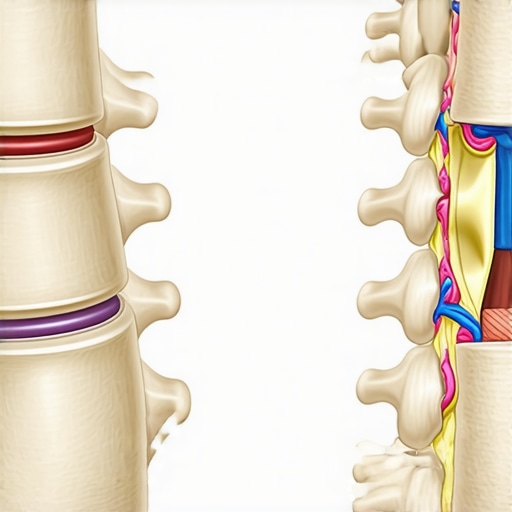
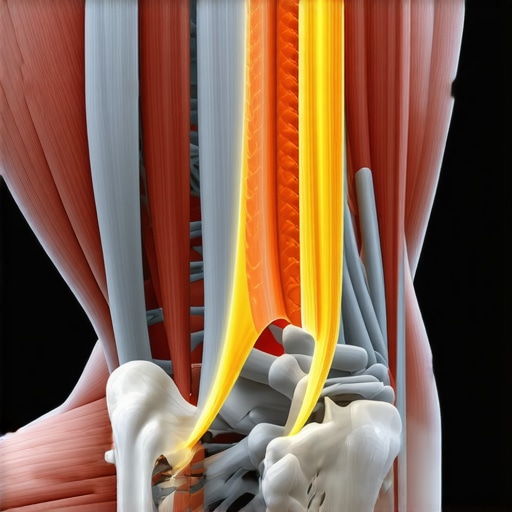
The human body is a complex web of interconnected systems, and often, pain or discomfort in one area can be a silent message from another. In my case, neglecting my lower back led to compensatory tension throughout my posterior chain, manifesting in my calves. This isn’t just anecdotal; studies show that tightness in the calves can be linked with pelvic misalignment or lumbar spine issues, as the muscles try to compensate for structural imbalances. The problem is, many people dismiss calf tightness as trivial, while their lower back pain worsens in the background. Recognizing this connection is crucial because treating the symptom alone—like stretching your calves endlessly—won’t resolve the root cause.
Is Stretching Enough? Or Is There More to the Story?
Early in my journey, I made the mistake of focusing solely on calf stretches, thinking that relaxation in that area would solve everything. It didn’t. What I failed to realize was that my calf tightness was actually a warning sign of unresolved lower back issues. If ignored, these issues can lead to a cycle of pain that affects mobility, reduces quality of life, and can even cause other problems like hamstring or hip tightness. So, are your calves just tight, or are they a red flag? Exploring this question can help you prioritize your recovery properly. If you’ve ever wondered whether your calf tightness is connected to your back pain, you’re not alone. Many people miss the bigger picture, and that’s what I want to prevent you from doing.
If you’re curious about how this connection might be affecting your own health, I encourage you to examine your posture, movement patterns, and any lower back discomfort you might be overlooking. Sometimes, the real fix involves more than just stretching—simple chiropractic adjustments or specific mobility exercises can make a world of difference. You can find more about effective neck pain management here, and if you’re ready to take action, don’t hesitate to reach out. Understanding this link could be the key to freeing yourself from persistent tightness and chronic back pain. Now, let’s dive into what you can do to address both issues holistically.
Start With Gentle Movement to Activate Your Spinal Stability
My first real breakthrough came when I incorporated controlled, deliberate movements into my routine. I remember one morning, feeling stiff, I attempted a simple bird-dog exercise. Lying on my stomach, I lifted opposite arm and leg, aiming for core engagement without straining. Initially, I wobbled and felt awkward, but over a week, I noticed my back loosened, and calf tightness eased. Think of your spine like a building’s foundation; small, steady tremors strengthen it, preventing larger issues. These exercises stimulate your deep stabilizers, which can be neglected during passive stretching.
Target Your Pelvis and Hip Alignment for Lasting Relief
Perform Pelvic Tilts Daily
One practical step is practicing pelvic tilts—lie on your back with knees bent, feet flat. Flatten the curve in your lower back by gently tilting your pelvis upward, then release. This movement rebalances your pelvis, reducing undue tension transmitted down to your calves. When I started doing these, I felt immediate relief in my lower back, which subsequently reduced calf tightness, confirming how interconnected these structures are.
Utilize Hip Flexor Stretches Carefully
In my experience, overstretching tight hip flexors created more back strain. Instead, I used gentle lunges, ensuring no pain. These stretches open tight hip muscles, relieving excess pull on the lumbar region. Remember, not every stretch is suitable for everyone; listening to your body and adjusting intensity is key. Regular mobility in your hips reduces compensatory tightness up your posterior chain, including calves.
Address Muscle Imbalances With Myofascial Release Techniques
One game-changer was foam rolling my calves and lower back. I targeted sore points—simulating a deep massage—to release fascia restrictions. Imagine fascia as a stretchy web; when it’s knotted, movement becomes restricted. To deepen the release, I applied pressure with a tennis ball on tender spots like the lower lumbar and calf muscles. This method accelerates circulation, relaxes tight tissues, and restores elasticity. Combining this with gentle stretching created a synergy that kept my muscles from reverting to tightness.
Incorporate Breathing Exercises to Reduce Internal Tension
Focusing on deep belly breathing helped me manage stress and muscle tension. I practiced slow inhalations, filling my lungs and expanding my diaphragm, then slow exhalations to relax the muscles. This technique lowers the overall sympathetic response, decreasing muscle guarding that often causes or maintains tightness. Think of it as recalibrating your nervous system to signal muscles to relax rather than tense up.
Seek Professional Guidance When Necessary
Despite all these steps, I learned to recognize when expert help was essential. A chiropractor can assess alignment issues that might perpetuate discomfort. My visit revealed a subtle pelvic tilt, which chiropractic adjustments helped correct, reducing my calf and back tension significantly. For comprehensive strategies, explore additional methods at this resource. Remember, addressing structural imbalances often requires a tailored approach that embodies these core techniques.
Consistently integrating movement, alignment, fascia release, breathing, and professional advice creates a powerful toolkit. This holistic method prevents recurring tightness and promotes better posture and mobility over time.
While it’s common to think of pain relief as a simple matter of stretching, medication, or even quick chiropractic adjustments, the real pitfalls lie in overlooked nuances that many fail to recognize. A widespread misconception is that all pain originates directly from the site of discomfort, such as the back or neck, and that targeted treatment here will solve the issue. However, research shows that persistent pain often stems from underlying structural or neurological factors that are not addressed by superficial fixes alone. For example, many people ignore the role of fascia restrictions, joint misalignments, or even subtle gait abnormalities—all of which require a more comprehensive and nuanced approach.
Are We Overlooking Bio-Motor Patterns in Treatment?
Many practitioners emphasize isolated muscle stretching or strengthening exercises, but neglect the influence of complex motor patterns ingrained through habits and repetitions. These patterns can perpetuate poor postural alignment, leading to chronic tension and pain despite superficial treatment. A study by the American College of Rheumatology (2020) emphasized the importance of neuromuscular retraining to address root causes rather than just symptoms. Moreover, attempting to manipulate a misaligned joint without correcting dysfunctional movement patterns can result in instability, compensations, and even increased pain. 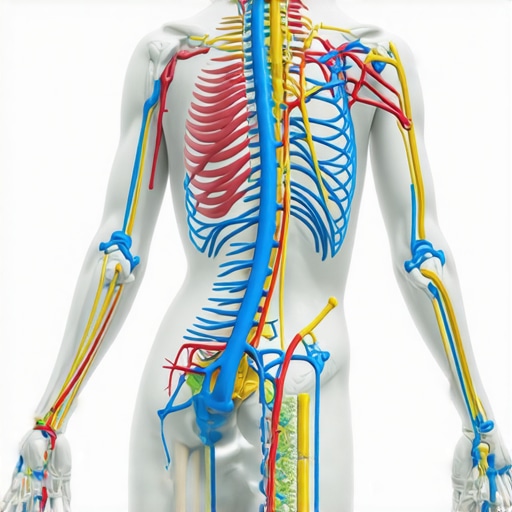
Imagine a scenario where someone adjusts their cervical spine but continues to rely on habits like craning their neck forward while working. This kind of misalignment becomes a cycle—correction in one area is undermined by ongoing dysfunctional movement elsewhere. An advanced approach involves integrated assessments that evaluate gait, proprioception, and motor control. For example, incorporating proprioceptive stabilization exercises is often overlooked yet crucial for long-term relief and functional mobility.
Many get caught in the trap of believing that pain is just ‘muscle tightness’ that can be solved with endless stretching. While stretching has its place, overdoing it without understanding the underlying causes can lead to worse outcomes, such as creating instability or masking symptoms temporarily. This is where professional guidance, like personalized chiropractic strategies, becomes essential. They can identify hidden issues like joint hypomobility or neurological sensitivities that normal stretching won’t resolve. For more nuanced strategies, exploring expert-approved methods at this resource can provide deeper insights.
Another common mistake is neglecting the importance of breathing mechanics and core stability, often considered secondary. Deep diaphragmatic breathing, combined with targeted stabilization exercises, can significantly reduce internal tension that contributes to pain. Failing to incorporate these elements leaves many practitioners treating symptoms without addressing the neurophysiological factors that sustain pain cycles.
In my experience, the most effective long-term improvements come from an integrated approach—combining structural corrections, motor pattern retraining, fascia health, and breathing. It’s a complex, layered process that requires patience and expert guidance. Don’t fall into the trap of seeking quick fixes; instead, invest in understanding your unique body patterns and addressing them comprehensively. If you’re wondering how to eliminate persistent pain or improve mobility holistically, reach out through this link for personalized advice. Remember, the key isn’t just fixing one part, but restoring harmony across your entire musculoskeletal and nervous systems. Have you ever fallen into this trap? Let me know in the comments.Maintaining your spinal health over the long term requires more than just occasional stretches or visits to the chiropractor. Investing in effective tools and adopting consistent habits can make a significant difference in keeping pain at bay and mobility optimal. One of my favorite additions is a high-quality foam roller, which I use daily to release fascia restrictions in my calves and lower back. This simple device helps prevent the buildup of knots that can contribute to pain and stiffness, especially when used in conjunction with targeted foam rolling techniques outlined in my trusted resource for fascia release.
For mobility and stability, I rely on resistance bands. They’re versatile, affordable, and portable, allowing me to perform active resistance exercises that strengthen deep stabilizers, such as hip abductors and shoulder rotators. Incorporating these exercises regularly helps me maintain balanced muscle function, which is crucial for preventing recurrent issues. I especially appreciate resistance bands because they simulate functional movements, making strength training more applicable to daily activities.
Digital tools also play a role in my ongoing maintenance routine. I use posture correction apps that provide real-time feedback on my sitting and standing habits. These apps often integrate with wearable devices, alerting me when I slump or crane my neck—common habits that undermine long-term spinal health. Using such technology keeps awareness high and encourages mindful adjustments throughout my day, reducing strain and promoting better alignment.
Another indispensable tool is a cervical traction device, which I use weekly to decompress my neck and upper spine. Proper decompression can alleviate nerve impingements and improve circulation, fostering long-term relief. It’s a worthwhile investment for anyone dealing with chronic neck tension or headaches linked to cervical issues. Remember, consistency is key—regular use of these devices can enhance the effectiveness of your broader mobility and strength routines.
Looking ahead, I believe the trend in spinal health tools will shift towards more personalized, data-driven solutions. Wearable sensors that monitor posture and movement patterns in real-time could provide tailored feedback and corrective exercises, making maintenance more intuitive and effective. Advancements like this will empower individuals to manage their own health proactively, reducing reliance on reactive treatments.
How do I maintain my neck and back health over time? The key lies in integrating these tools into a consistent routine and staying proactive about addressing emerging issues. For example, I make it a point to perform daily mobility drills using resistance bands and foam rollers, complemented by weekly neck decompression sessions. Additionally, I stay connected with my chiropractor for periodic assessments, ensuring structural imbalances don’t develop unnoticed.
One advanced tip I recommend trying is incorporating myofascial release with a focus on the thoracic spine, using a tennis ball pressed against the wall to target trigger points. This can significantly reduce tension that often radiates into the neck and lower back, creating a more resilient and flexible spine. If you’re interested in exploring this technique further, learn more about effective neck pain management here and consider reaching out via this contact page for personalized advice. Remember, consistent application of these tools and methods can set the foundation for long-lasting mobility and pain-free living.
The Unexpected Truths That Changed My Approach to Back and Neck Care
Throughout my journey, I discovered that the key to lasting relief often lies in nuances most overlook. One eye-opening lesson was realizing that superficial fixes like endless calf stretching are merely symptoms management, not solutions. True healing involves addressing underlying structural and motor patterns—this was a game-changer. I also learned that daily habits, from how I carry my groceries to my breathing habits, subtly influence my spinal health more than any single therapy. Embracing this holistic perspective transformed my pain management and my outlook on mobility.
My Go-To Resources That Accelerated My Healing
Over the years, I found certain tools and knowledge sources invaluable. The comprehensive guides on neck pain management provided me with structured steps that combined structural corrections with neurophysiological techniques. My foam roller became a daily staple—it’s affordable, effective, and simple to use for fascia release. Resistance bands helped me strengthen stabilizers without risking further injury, while posture correction apps increased my awareness in real-time. These resources haven’t just been tools; they’ve been educational companions on my path to better mobility.
Embrace Your Power—Start Moving with Confidence Today
If your calves or lower back have been nagging at you, remember that the journey to relief begins with the small, consistent actions. Incorporate gentle mobility exercises, be mindful of your posture, and seek expert guidance when needed. Your body is a resilient, interconnected system that rewards patience and care. Don’t wait for pain to become unmanageable—take proactive steps now to reclaim your comfort and mobility. The future of back and neck health is within your control, and your first move might simply be deciding to prioritize yourself today.
What small change will you commit to this week to improve your spinal health? Drop your thoughts below, and let’s inspire each other on the path to lasting relief.
,