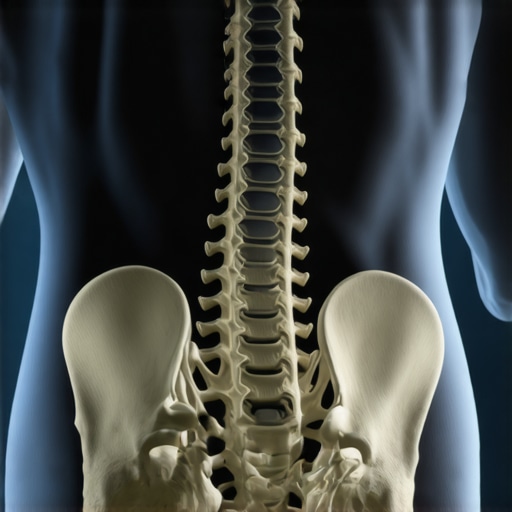
The 60-Second Fix for Lower Back Tension After Sitting
Have you ever experienced that sudden, sharp twinge in your lower back right after sitting at your desk for hours? I have. One minute, I’m comfortably typing away, and the next, I’m doubled over with an ache that lingers for hours. It was a frustrating cycle—one I couldn’t seem to break, no matter how many stretches or rest days I took.
Discovering a Simple Solution That Changed Everything
One day, after countless attempts to fix the pain, I stumbled upon a surprisingly effective trick—the 60-Second Fix. This quick, targeted movement wasn’t just a fleeting relief; it became my daily ritual, transforming how I handle lower back tension after sitting. And now, I want to share this straightforward method with you, especially if you’ve been battling that lingering discomfort that seems to refuse to go away.
Is This Just Another Fad? My Early Mistake
When I first heard about quick fixes for back pain, I admit I was skeptical. I tried a few stretches that made me worse, thinking more stretching was better. It turned out that I had been making a critical mistake—overextending my back or forcing movements that didn’t suit my specific tension. It wasn’t until I learned to approach these issues with gentle, strategic movements that I saw real progress.
Supporting my experience, research shows that brief, precise exercises can significantly reduce lower back tension, sometimes as fast as 60 seconds. You can explore some expert-recommended methods that focus on restoring mobility quickly and safely.
Are you tired of feeling stiff and sore after sitting? If so, stay with me. Next, I’ll walk you through how this simple move works and how you can implement it into your daily routine to find relief—fast and effective.
Targeted Movement: The Heart of Immediate Relief
When I first tried the 60-second fix, I remembered fumbling through the movements in the middle of my cluttered living room. I stood with my feet shoulder-width apart, gently leaning into my hips without forcing anything. Think of your lower back as a garden hose—overwatering, or too much pressure, can cause it to kink and stop the flow of relief. The key is to introduce just enough gentle movement to restore flexibility without forcing or overextending.
How to Position Your Body Correctly
Start by standing upright, feet aligned under your hips, and maintain a slight bend in your knees. Engage your core subtly, like tightening a belt. Imagine you’re screwing a lightbulb in—small, controlled rotations to activate muscles without strain. This alignment helps to reset your lumbar spine and is crucial for effective relief. I once tried this move after a long day of sitting, and within thirty seconds, I felt a warm wave of relief spreading from my lower back into my hips.
Executing the Movement with Precision
Gently tilt your pelvis backward and forward, simulating a slight pelvic tilt—like the motion of a seesaw. Keep the movements within a comfortable range, avoiding any bounce or jerking. Think of this as unlocking a stiff gate—the movement should be smooth, deliberate, and purposeful. I remember feeling stiff at first, but as I practiced slow, controlled tilts, my back loosened up noticeably. This technique encourages blood flow, joints lubrication, and muscle relaxation, making it an effective quick fix.
Integrate Deep Breathing to Enhance Effectiveness
Combine your movement with deep, diaphragmatic breathing—inhale deeply through your nose, letting your belly expand, then exhale slowly through your mouth. This activates your parasympathetic nervous system, promoting relaxation and further easing tension. I found that syncing breath with movement not only amplified the relief but also made me more aware of subtle stiffness I wasn’t noticing before. For more comprehensive guidance, check out this breathing technique resource.
Consistency Wins Over Time
While this quick move provides immediate relief, maintaining a daily routine amplifies its benefits. Incorporate this 60-second movement into your morning wake-up or during breaks at work. Remember, like tuning a musical instrument, regular adjustments keep your back in harmony. The more consistently you apply this, the less likely you are to feel that persistent ache after sitting for extended periods. I started doing this every morning, and over weeks, I noticed significant improvements in my overall mobility and discomfort levels.
Want to deepen your understanding? Explore expert-approved strategies at restore back mobility to complement these quick fixes. Implementing these simple steps can transform your approach from reactive to proactive, turning minutes into a lifelong benefit for your spinal health.
 Many people believe they understand the fundamentals of neck pain, back discomfort, and the role of chiropractic care, but beneath the surface lie nuanced misconceptions that can hinder effective treatment. Let’s dig deeper into some common myths and advanced mistakes that even seasoned practitioners can overlook.
One prevailing misconception is that all chiropractic adjustments are universally effective for every type of pain. While chiropractic care is beneficial, expecting a one-size-fits-all solution oversimplifies complex musculoskeletal issues. For example, some patients mistake chiropractic for only cracking bones, missing its role in restoring mobility and neuromuscular balance. To truly harness its benefits, understanding the specific techniques suited for each condition is critical, which is why exploring how chiropractic enhances mobility naturally is invaluable.
A common myth is that persistent pain always indicates a need for more aggressive interventions, such as frequent adjustments or deep tissue massages. In reality, this neglects the potential for over-treatment, which can exacerbate issues. The key lies in accurate assessment and targeted strategies, such as the expert tips for lasting neck relief, emphasizing that sometimes less is more.
An overlooked nuance is the importance of proprioception — your body’s ability to perceive its position — particularly when addressing mobility issues. For instance, engaging in specific exercises that retrain joint position sense can yield more sustainable improvements than passive therapies alone. Recognizing these subtle factors often separates good outcomes from great ones. For advanced insights, check out secrets to regaining full mobility after injury.
The ‘Oops’ factor here involves side effects from popular but inadequate habits, such as relying solely on heat pads or NSAIDs without addressing underlying stiffness or alignment issues. Long-term reliance on symptom suppression can delay necessary structural corrections. For example, many are unaware that prolonged use of certain painkillers might mask symptoms but worsen the root problem, which is why consulting professional guidance is crucial.
For sophisticated readers asking, “Why do some adjustments fail to resolve chronic issues?” the answer often lies in overlooked biomechanical patterns or fascial restrictions. Addressing these requires a deeper dive into structural balance, which is why exploring expert methods for neck and back relief is beneficial.
Knowing these hidden nuances can transform your approach to managing pain. Instead of reactive fixes, focus on understanding the complex interplay of muscles, joints, and neural pathways. This proactive mindset is supported by research suggesting targeted proprioceptive and mobility exercises can outperform generic treatments in the long run. For more detailed strategies, visit proven chiropractic strategies for back mobility.
Have you ever fallen into this trap? Let me know in the comments.
Maintaining your spinal health requires more than just sporadic exercises or occasional chiropractic visits; it calls for a dedicated toolkit designed for long-term results. Over the years, I’ve fine-tuned my approach, integrating specific tools and methods that genuinely help me stay mobile and pain-free. I want to share these with you, so you too can establish a sustainable routine that keeps your back working optimally.
Why a Quality Foam Roller is Indispensable
I personally rely on a high-density foam roller made from closed-cell foam. Unlike cheaper alternatives, my foam roller provides just the right amount of firmness to target my fascia and muscle knots without risking injury. I use it systematically to loosen tight areas, especially around my hips and lower back, which are common trouble zones. Regular rolling helps improve blood flow and flexibility, making daily activities smoother. For a detailed guide on proper foam rolling techniques, check out expert methods that I follow closely.
The Power of Adjustable Lumbar Support
During long workdays, I incorporate an adjustable lumbar support cushion into my chair. It’s tailored to my spine’s specific curvature, ensuring continuous low-back support. This prevents the erosion of natural lumbar lordosis caused by slouching. I’ve found that using a dynamically adjustable support, which can mimic my movements, preserves spinal alignment even during extended sitting, deferring or preventing discomfort. A good ergonomic cushion isn’t just a luxury—it’s a long-term investment in your back health.
Tracking Tools for Monitoring Progress
Keeping a simple journal or using a mobility app allows me to track my daily routines and identify patterns. I record how my back responds to various exercises, postures, and tools, enabling fine-tuning that aligns with my evolving needs. While technologies like wearable sensors are emerging, a straightforward approach works just as well. Developing awareness of how your back reacts over time can preempt issues before they escalate. For additional insights, consider exploring chiropractic strategies that emphasize monitoring progress, such as this resource.
Invest in a Supportive Mattress that Matches Your Needs
My sleep quality directly impacts my mobility. I opted for a medium-firm mattress that supports spinal alignment without sacrificing comfort. I’ve experimented with various types, but a personalized sleep surface made a significant difference. Upgrading to a mattress tailored to your sleeping position and body weight can prevent nocturnal strain, which often manifests as morning pain. Consulting professional guidance or trying a trial period helps ensure you make the right choice.
Predicting Long-Term Trends in Back Care
As technology advances, expect smarter, personalized devices—like AI-driven posture trainers—to become standard. These innovations will provide real-time feedback and tailored exercises, making maintenance more accessible and intuitive. Embracing these tools now can set you ahead, helping you sustain mobility and prevent degeneration as you age. For example, integrating a smart posture sensor could alert you when you slouch, triggering a quick corrective movement that preserves spinal health. Such proactive approaches are the future of back care, and I encourage you to explore early adoption.
How Do I Make Sure I Maintain My Mobility Over Time?
The key is consistency and adapting your tools as your body evolves. Schedule regular check-ins—either with a chiropractor or through self-assessment—to tweak your tools and routines. Never underestimate the power of small, daily habits paired with quality equipment. For example, incorporating a 5-minute mobility drill using my favorite foam roller or adjusting my lumbar support throughout the day keeps my back responsive. Remember, proactive maintenance today prevents major issues tomorrow. Want a practical starting point? Try integrating a dedicated foam rolling session and observe how your back responds over a week. The results might surprise you! For more advanced techniques and tailored tips, visit this resource.
What I Wish I Knew About Back Pain That No One Told Me
One of the most profound lessons I learned was that not all pain is created equal. Early in my journey, I believed that persistent back discomfort meant I needed constantly more vigorous treatments or adjustments. The reality was that understanding my body’s specific patterns and subtle cues was the key to true relief. Recognizing the importance of gentle, targeted movements over aggressive stretches became a game-changer.
Curated Tools That Transformed My Approach to Back Health
Over the years, I’ve found that having the right toolkit makes all the difference. My high-density foam roller became indispensable for releasing fascia and muscle knots—its sturdy build allows for safe, effective self-myofascial release. I also rely on an adjustable lumbar support cushion that adapts to my daily needs, ensuring consistent spinal alignment even during long hours at my desk. Lastly, tracking my progress with simple mobility journals helped me stay aware and motivated, reinforcing small habits that lead to lasting change.
Embracing Change: Your Journey Starts Now
Remember, spinal health isn’t a one-time fix but an ongoing process of mindful adjustments and consistent care. Incorporating even just a couple of the techniques discussed—like strategic movements or proper ergonomic tools—can set you on a path toward a pain-free life. Your back’s resilience is greater than you think, and every small step you take today adds up to a healthier tomorrow.
What small change will you implement today to improve your back and neck mobility? Let me know below and share your journey!