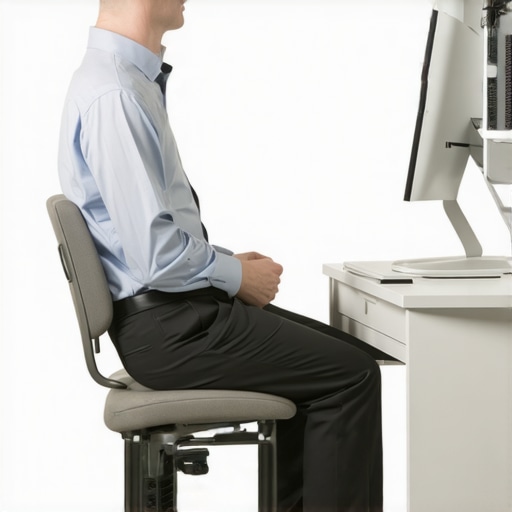
The Real Reason Your Upper Back Burns at the End of the Day
It was a typical evening, and as I sat down after a long day, I suddenly felt that fiery sensation lighting up my upper back. It was like a stubborn, persistent itch I couldn’t scratch—a burning prickle that refused to fade away. I remember thinking, “Is this just fatigue or something more serious?” That lightbulb moment made me realize I wasn’t alone in this frustration. Many people, even those who do everything right, experience this uncomfortable symptom, and it can be downright exhausting.
The Hidden Culprit Behind That Burning Sensation
For years, I chalked it up to bad posture or overexertion. But over time, I discovered there’s a deeper reason why your upper back might be burning after a busy day. Often, it’s related to how your body handles tension, inflammation, and muscular fatigue, especially around the thoracic region. When these components aren’t managed properly, they create a lingering, burning feeling that can become a daily inconvenience.
I lost count of how many times I tried quick fixes like stretching or applying heat—only to find temporary relief at best. What truly turned things around was understanding the root causes and adopting a targeted approach to mobility and muscle balance. Early on, I made the mistake of ignoring my posture habits, which only worsened my discomfort over time. That’s a mistake I want to help you avoid.
If you’re tired of that burning sensation taking over your evenings, this post promises to guide you through the real reasons behind it—and, more importantly, how to resolve it effectively. We’ll explore practical strategies rooted in expert-backed techniques, so you can finally find lasting relief.
Is the Burn Just Muscle Fatigue or Something More Serious?
Many skeptics assume that this burning is just normal fatigue after a long day. But in reality, it could be a sign of underlying tension areas, postural imbalances, or even nerve irritation. Relying solely on quick fixes without understanding the core causes can lead to frustration and prolonged discomfort.
The good news? Once you recognize what’s triggering your upper back burn, you can take proactive steps to address it. I’ve personally found that a combination of mobility exercises and ergonomic tweaks made all the difference. For a comprehensive understanding of managing neck and back pain, check out [this expert guide](https://quackersspinal.com/effective-neck-pain-management-a-step-by-step-guide). It’s packed with strategies that can help you regain control and live pain-free.
Let’s dive into some key reasons why your upper back burns and what you can do about it—and trust me, relief could be just a few mindful adjustments away.
Activate and Mobilize Your Upper Back
Start with the scapular squeeze: sit or stand upright, gently pull your shoulder blades together as if trying to hold a pencil between them. Hold for 5 seconds, then release. Repeat for 10 reps. I once did this during a hectic workday, feeling immediate relief as tension melted away. It’s like awakening stiff joints, making them more fluid and less prone to burning sensations.
Stretch with Precision
Next, incorporate the doorway stretch. Stand in a doorway, place your forearms on each side, and step forward slowly, feeling the stretch across your chest and upper back. Hold for 20-30 seconds. This opens up tight muscles that can contribute to burning feelings. I remember wrapping up a session with this stretch after noticing my shoulders hunching forward repeatedly, and the difference was instant—less tightness, less discomfort.
Proper Breathing to Reduce Tension
Deep, diaphragmatic breathing helps release muscle tension. Lie on your back, place one hand on your chest and the other on your belly. Inhale deeply through your nose, ensuring your belly rises, then exhale slowly through pursed lips. Doing this for 3-5 minutes helps reduce nervous system activation that worsens inflammation. Once, I used this technique during a stressful evening—calming anxieties and decreasing that persistent burning.
Check and Improve Your Posture
Adopt ergonomic adjustments: elevate your monitor to eye level, sit upright with feet flat on the floor, and avoid slouching. Setting a reminder to adjust your posture every hour prevented the buildup of muscular fatigue that causes burning sensations. I recall a busy day when neglecting this led to a fiery upper back that lasted for hours, but mindful corrections provided quick comfort.
Gentle Mobilization Exercises
Practice controlled cat-cow stretches: on hands and knees, inhale as you arch your back downward, lifting your head and tailbone; exhale as you round your spine upward, tucking your chin. Perform 10 slow reps. This technique lubricates spinal joints and eases stiffness. I once did this after hours of computer work, and felt my back loosen significantly—less burning, more ease in movement.
Tackle Underlying Tension with Self-Trigger Point Release
Use a tennis ball against a wall to target tender spots. Identify tense areas in your upper back, then gently press the ball into the muscle and hold for 20 seconds. Roll slightly to work on adjacent spots. This self-massage broke my persistent discomfort that no stretching relieved. Regular sessions prevent tension accumulation and the burning sensation from rekindling.
Many assume chiropractic care is solely about quick fixes like cracking joints or restoring instant mobility. However, this oversimplification often leads to misconceptions. For example, a common myth is that once your symptoms improve, you can abandon your exercises and posture habits. In my experience working with patients, lasting results depend on understanding the nuanced interplay between muscular imbalances, neural pathways, and biomechanics, not just isolated adjustments. Furthermore, some believe that more adjustments mean faster recovery, but evidence suggests that excessive manipulation without a comprehensive plan can be counterproductive, potentially leading to tissue irritation or dependency. To truly improve, you need a tailored approach that integrates mobility drills, strengthening, and lifestyle modifications—something many overlook when seeking ‘quick fixes.’ An advanced mistake I often see is neglecting the role of the nervous system in pain perception and muscle tone regulation, which can significantly influence recovery. For instance, studies highlight how neuroplasticity can be harnessed through specific movement therapies to reduce chronic pain—a strategy underutilized in typical chiropractic practices. This is why aligning therapy with an understanding of these complex factors is essential for sustained healing. To deepen your approach, explore [this expert guide](https://quackersspinal.com/effective-neck-pain-management-a-step-by-step-guide) which emphasizes comprehensive care strategies beyond simple adjustments, ensuring you address the root causes rather than just symptoms. Remember, superficial treatments may delay progress, so investing in a complete plan that considers mobility, neural health, and biomechanics will lead to more reliable results. Have you ever fallen into this trap? Let me know in the comments.Maintaining mobility and managing pain over the long term requires more than just temporary fixes; it involves adopting effective tools and routines that integrate seamlessly into your daily life. One of my favorite devices for ongoing support is the **foam roller**. I personally use a dense foam roller to target my thoracic and lumbar regions, helping to break down adhesions and improve tissue flexibility. Regular rolling sessions post-exercise or at the end of the day enhance circulation and reduce stiffness, which is crucial for sustaining mobility and preventing flare-ups.
Another essential tool is a set of **resistance bands**, particularly for mobilization drills like shoulder or thoracic rotations. I incorporate these into my routine to activate stabilizing muscles before more strenuous activities, supporting both recovery and proactive strength building. These bands are lightweight and inexpensive but incredibly versatile, making them a staple in my regimen.
For digital management, I rely on **mobility tracking apps** such as *UpRight* or *Rhythm*. These apps help me monitor my posture habits throughout the day, reminding me to correct slouching or neck strain. Over time, this data-driven approach has empowered me to identify and modify behaviors contributing to my discomfort.
Looking ahead, the future of long-term spine health seems geared toward personalized, tech-driven solutions. With advances in **AI-powered posture correction devices** and wearable sensors that provide real-time feedback, managing spinal health will become more intuitive and tailored to individual needs. Moving forward, integrating these technologies could revolutionize how we approach injury prevention and ongoing maintenance.
How can I keep my mobility tools effective over time?
Consistency is key. Regularly scheduled sessions using foam rollers and resistance bands, combined with proactive posture monitoring via apps, create a sustainable routine. It’s also worthwhile to periodically reassess your tools and techniques—what worked a year ago might need updating as your body adapts. Incorporate new exercises from reputable sources like the [chiropractic secrets guide](https://quackersspinal.com/chiropractic-secrets-to-regain-full-mobility-after-injury) to stay ahead of stiffness or discomfort. Remember, the goal is not just temporary relief but cultivating resilient mobility that lasts.
To deepen your knowledge on advanced mobility techniques, I recommend exploring [this comprehensive guide](https://quackersspinal.com/boost-mobility-ease-pain-chiropractic-techniques-unveiled). Try integrating a weekly foam rolling session paired with digital posture checks to witness a tangible improvement in your neck and back pain management. Consistency and informed adjustments will ensure your spine stays resilient, movable, and pain-free for years to come.
Over the years, I’ve learned that the most effective solutions stem from honest insights and personalized routines. One of the biggest lessons I’ve uncovered is that persistent upper back burning isn’t just a fleeting symptom—it’s a conversation your body is trying to have about your posture, tension, and habits. Ignoring these signals only prolongs discomfort, but embracing a proactive mindset opens the door to true healing. Through consistent mobility practices, mindful posture adjustments, and leveraging modern tools, you can forge a path toward lasting relief. Remember, the journey doesn’t end with a quick fix; it evolves into a sustainable lifestyle that honors your body’s needs and boundaries. The real transformation happens when you see your recovery as an ongoing process—one that empowers you to take control and prevents the burn from returning.