The 30-Second Drill to Stop Your Ribs From Feeling Stuck
It hit me like a punch in the stomach during a quiet afternoon—one moment I was breathing deeply, and the next, a sharp, almost suffocating sensation swept through my chest. My ribs felt tightly stuck, making every breath a conscious effort. I’d experienced back pain before, sure, but this was different. It was as if my own body was resisting my breath, and I felt trapped in my own flesh.
How a Simple 30-Second Trick Changed Everything
That day, I finally discovered a quick, effective move—the kind I now call the “30-Second Drill”—that helps release that stuck feeling in the ribs and restores effortless breathing. This isn’t just another stretch or gimmick; it’s a game-changer rooted in real anatomy and proven techniques. And the best part is—it takes less than a minute to do.
Is this drill really worth the hype? Some skeptics might ask.
Look, I’ve been down the rabbit hole of quick-fix remedies, and early on, I made the mistake of dismissing simple solutions because they seemed too easy. Trust me, I wasted precious time on complex routines before realizing that often, the simplest tricks deliver the biggest results. If you’ve ever felt similar rib tension or restricted breathing, then I know exactly the frustration that comes with feeling stuck without knowing how to get free.
Did this problem resonate with you? Have you ever experienced that overwhelming sensation where your ribs just won’t move? Well, I promise, there’s hope and a straightforward way to fix it—something I wish I’d known sooner. For more about how chiropractic care can be a vital part of your recovery, check out this insightful article.Now, let’s dive into why this sensation happens and how a simple drill can make all the difference.
Target the Root of Rib Stuck Feelings
Begin by sitting comfortably on a sturdy chair, ensuring your back is straight. Place one hand gently on your lower ribs, just below your chest. Breathe deeply through your nose, paying attention to the movement of your ribs. If you notice restricted movement or a feeling of being trapped, you’re experiencing the issue we’re aiming to resolve.
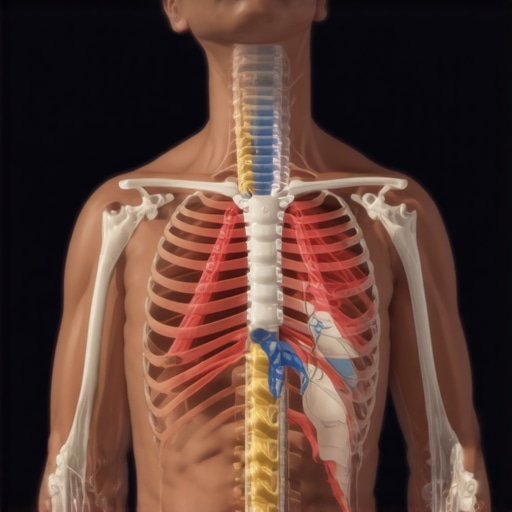
Picture your ribs as a set of shutters—when they don’t open fully, breathing feels restricted. The goal is to gently coax them open without forcing, similar to slowly opening a window on a breezy day. This sets the stage for the next step, which involves a specific maneuver to encourage mobility.
Perform the 30-Second Rib Mobilization
Step 1: Find the Trigger Point
Relax your shoulders and take a deep inhale. At the top of your breath, gently press your fingertips into the area where you feel tightness or resistance. Hold light pressure for about five seconds while maintaining a steady breath. I recall a time when I used this technique after a long day of sitting, and immediately I felt a release—my chest felt lighter and my breathing easier.
Step 2: Gently Elbow Twist
Stand or sit upright. Cross your arms loosely over your chest. Slowly rotate your torso to the right as far as comfortable, engaging your core muscles slightly to facilitate movement. Then, rotate to the left. Think of this motion as wringing out a towel—gentle, rhythmic, and deliberate. Do this for 15 seconds on each side, paying attention to areas of stiffness.
This movement encourages your thoracic spine and ribs to regain mobility. Remember, the key is smooth, controlled rotations—no jerking or forcing. I once tried to do this too quickly and felt a zing of discomfort; slowing down made all the difference.
Integrate Deep Breathing to Reinforce Movement
This is the final step, which locks in the benefits of the previous movements. Inhale slowly through your nose, expanding your chest and ribs. Hold the breath for a moment, then exhale fully through your mouth. Repeat this deep breathing for 10 cycles, focusing on relaxing your rib cage and lungs. Visualize your ribs opening like the petals of a blooming flower, freeing up restricted areas.
During a session, I once combined this breathing with gentle hand presses on my ribs, which amplified the release. Over a few days, I noticed fewer sensations of tightness, and my breathing became noticeably easier. The simplicity of this drill is deceptive—each component works in harmony to restore natural mobility.
Practice Regularly for Lasting Relief
Set a reminder to perform this 30-second routine two to three times daily, especially during periods of prolonged sitting or stress. Consistency is vital; over time, your ribs and thoracic spine will move more freely, reducing the stuck feeling and improving overall breathing capacity. For deeper insights on enhancing your mobility, consider exploring these proven chiropractic strategies.
Many people assume that increasing mobility is just about stretching more or cracking a few joints, but in my experience, there’s a lot more nuance involved. A prevalent misconception is that all joint stiffness or pain can be fixed with quick fixes like popping or stretching, but often, these approaches overlook underlying tissue health and neural contributions. For instance, aggressive cracking without addressing muscular imbalances can do more harm than good, potentially leading to instability or additional pain. According to Dr. Stuart McGill, a leading spine researcher, understanding the difference between mobility that restores function and mere joint manipulation is vital for long-term health; he emphasizes that “stability and controlled mobility are key to preventing chronic pain.”
How can relying solely on chiropractic adjustments undermine your progress?
Chiropractic care is powerful, but many believe frequent adjustments alone will solve persistent issues. However, over-reliance on adjustments without addressing contributing factors like posture habits, core strength, or movement patterns can lead to temporary relief but not lasting change. It’s crucial to combine adjustments with targeted strengthening and mobility exercises—like those found in our mobility mastery guides—to create sustainable improvements. Beware of the trap where patients seek quick relief but neglect foundational habits, which often leads to a cycle of ongoing visits with minimal long-term benefit. Integrating comprehensive strategies is essential; for example, proper ergonomics or specific drills can prevent recurrence instead of just temporary fixes. For deeper insights, exploring how chiropractic care can be part of a holistic approach can be eye-opening—you might want to check out this article.Maintaining lifelong mobility requires more than just occasional stretches; it demands the right tools and consistent practices. One of the most underrated investments I personally recommend is a high-quality foam roller. Unlike standard foam rollers, I prefer a dense, textured roller because it effectively targets my fascia and muscle knots without excessive pressure. Using it regularly helps prevent muscular imbalances that can lead to neck and back pain, especially when combined with deep tissue massage techniques described in our chiropractic hacks guide. Another game-changer is a set of resistance bands. I utilize light to medium bands for assisted mobility drills, safety strengthening, and to enhance tissue elasticity. They’re invaluable for maintaining flexibility in the shoulders, neck, and spine, which are all critical to long-term spinal health.
How do I keep my mobility routines effective over time?
Consistency is key, but so is progression. I personally track my mobility gains with a simple app—examples include MobilityMindset or MyFitnessPal—to ensure I’m gradually increasing the intensity and duration of my exercises. Over time, I’ve noticed that incorporating tools like a posture corrector or ergonomic aids, such as an adjustable stand, drastically reduces strain during daily activities and helps me maintain proper form. Trends are shifting toward smart, integrated devices like biofeedback wearables that monitor posture in real-time, giving immediate cues to correct misalignment—these are promising for sustainable habits.
In my opinion, future innovations will likely focus on AI-powered personalized mobility programs calibrated to your unique movement patterns, much like the approach outlined in the latest neuroscience research. This can radically decrease recovery time and enhance long-term results. Until then, I urge you to experiment with one advanced tip: use a resistance band for shoulder mobilization, pulling gently while maintaining control to push your range of motion beyond typical limits. This simple addition can be transformative. Remember, taking small, consistent steps with effective tools preserves your backbone’s integrity and keeps your movement fluid for years to come. For a comprehensive guide, explore our mobility mastery tips and empower your journey toward pain-free living.
The Hidden Gems That Altered My Approach to Mobility and Pain Relief
One of the most profound lessons I discovered is that quick fixes, no matter how promising, only serve as stepping stones. True progress stems from understanding the interconnectedness of muscles, tissues, and neural pathways. For instance, I once believed that targeting the ribs alone would solve my breathing issues, but I overlooked the influence of shoulder tension and core stability. Recognizing this holistic picture was a game-changer, reminding me that comprehensive strategies outperform isolated tricks.
Another lightbulb moment was realizing that consistency outweighs intensity. I had a tendency to overdo routines once I saw initial improvement, which sometimes led to setbacks. Embracing a gentle, steady routine—performing those 30-second drills daily—proved far more effective in embedding lasting mobility and reducing discomfort. Patience and persistence, I learned, are crucial allies in this journey.
Lastly, I learned that mindset shapes outcomes. Approaching mobility exercises with curiosity rather than frustration transformed my experience. Viewing each session as a chance to reconnect with my body made the process enjoyable rather than a chore. This shift not only accelerated my healing but also empowered me to listen more deeply to what my body needs, fostering a sustainable self-care habit.
Tools That Have Transformed My Practice and How They Support Your Journey
My Essential Toolkit for Mobility includes a high-quality foam roller; I swear by it for fascia health and myofascial release. Its dense texture provides the right pressure without being too aggressive, making it versatile for self-massage. I also rely on resistance bands for gentle mobilization and strengthening—these bands help push my limits safely and are invaluable for maintaining flexibility.
Books like Stretching scientifically by Thomas W. Weiskopf have enriched my understanding of movement principles, guiding me to design smarter routines. Trustworthy online resources such as Mobility Mastery offer comprehensive insights backed by experts, making them a cornerstone of my ongoing education.
For personalized guidance, consulting with a qualified chiropractor remains vital—this complements self-care practices and ensures an optimal, tailored recovery plan. Alternatively, exploring chiropractic care that emphasizes mobility can be a transformative step toward sustained relief and function.
The Courage to Begin and Keep Moving Forward
Never underestimate the power of starting small. Incorporate that 30-second rib mobility drill into your daily routine, and watch how your body responds over time. Remember, progress in mobility and pain relief isn’t linear—it’s a series of small victories that build confidence and resilience. Your journey toward a pain-free, mobile life begins with that first, sometimes tentative, step. Embrace it with curiosity and patience—your body is eager to heal and move with purpose.
What’s one mobility habit you’re ready to incorporate today? Share your thoughts below and let’s keep the momentum going!
,