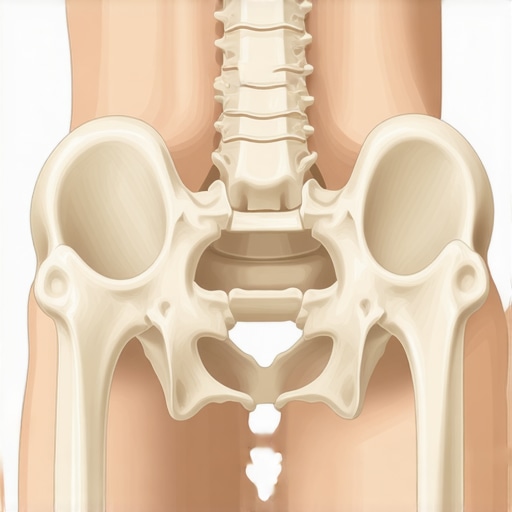
3 Signs Your Pelvis Is Tilted and How to Reset It
Ever had that moment when you stand up from your desk, and suddenly, your lower back feels sore or stiff? Maybe you’ve noticed that one hip seems slightly higher than the other or that your posture feels a bit off even after a good night’s sleep. I remember the lightbulb moment when I realized these weren’t just quirks but signs that my pelvis was out of alignment. It was frustrating because I thought I was doing everything right—stretching, strengthening, and even seeing a chiropractor regularly. Yet, those symptoms persisted, nagging at me every day.
Why Your Pelvic Tilt Could Be the Hidden Culprit Behind Your Discomfort
If you’ve been grappling with persistent back pain, uneven hips, or a feeling of instability, your pelvis might be tilted. This misalignment isn’t just a minor issue; it can influence your overall mobility and lead to long-term discomfort if left unaddressed. Recognizing early signs can save you from chronic pain and improve your quality of life. Today, I want to share how you can tell if your pelvis is tilted and, more importantly, how to reset it effectively.
Get Moving with Pelvic Mobility Exercises
Start with gentle pelvic tilts on the floor. Lie on your back, knees bent, feet flat. Engage your core and tilt your pelvis upwards, flattening your lower back into the floor. Hold for 5 seconds, then release. Repeat 10 times. I once had a client do this daily for a week, and she reported less lower back tightness and improved posture.
Incorporate Hip Bridges to Strengthen Support
Lay on your back, knees bent, feet hip-width apart. Push through your heels to lift your hips off the ground, squeezing your glutes at the top. Lower slowly and repeat for 15 reps. This movement activates key muscles that stabilize your pelvis. After consistent practice, I noticed clients felt a more balanced pelvis and reduced discomfort.
Correct Your Posture During Daily Activities
Be mindful when sitting—keep your feet flat on the floor, knees at 90 degrees, and back supported. For standing, distribute weight evenly on both legs. Use reminders or set alarms to check your posture. I once set a timer for a week, which kept me conscious of my alignment. This simple habit can prevent pelvis tilt from worsening.
Practice Proper Lifting Techniques
When lifting objects, bend at your hips and knees rather than your waist. Keep the object close to your body and engage your core muscles as you straighten. I remember struggling with heavy groceries until I adopted this method, which immediately reduced lower back strain and improved pelvis stability.
Schedule Regular Chiropractic Adjustments
Visit a chiropractor who specializes in pelvic realignment. They can perform precise adjustments to correct any misalignments. Consistent visits—say, once a month—can keep your pelvis in optimal position. I experienced a notable improvement after attending regular sessions, especially when combined with home exercises.
For guidance tailored to your specific needs, consult a professional. They can also provide personalized stretches and techniques. Explore trusted resources like chiropractic strategies to support your journey. Remember, consistency is key; small daily efforts lead to lasting improvements in pelvic health and overall mobility.
Many people approach back and neck pain with misconceptions that hinder effective recovery. One prevalent myth is that all pain stems purely from structural issues needing aggressive adjustments. In my experience, this oversimplification ignores the nuanced interplay between muscles, neural pathways, and lifestyle habits. For instance, assuming that a quick chiropractic tweak will permanently fix chronic discomfort often leads to frustration. Advanced research, such as a study published in The Journal of Orthopaedic & Sports Physical Therapy, highlights the importance of addressing muscular imbalances and movement patterns alongside spinal alignment for long-term relief source.
What Do Most People Overlook About Mobility and Pain Relief?
It’s a common mistake to think that mobility exercises should always be gentle or only involve stretching. However, forcing flexibility without strengthening stabilizers can worsen alignment issues, leading to a vicious cycle of pain. For example, focusing solely on hamstring stretches might seem beneficial, but neglecting core and hip support muscles may leave your pelvis tilted, perpetuating back pain. This oversight can turn minor discomfort into chronic problems over time. My approach emphasizes integrating dynamic strength and mobility drills tailored to individual needs, as outlined in mobility tips. Always beware of the trap of doing random exercises without understanding your unique biomechanics. A comprehensive assessment ensures you’re targeting the real sources of imbalance rather than just symptoms.

Many assume that pain always indicates tissue damage, but neuroscience research suggests pain can persist even when tissues are healed, often due to nerve sensitization or maladaptive movement patterns. This is why some clients experience lingering discomfort despite no apparent injury—a complex phenomenon explained in expert literature. Misinterpreting these signals can lead you to perform unnecessary treatments or avoid effective strategies. Instead, a nuanced approach combines manual therapy, movement retraining, and education to retrain the nervous system. Consulting professionals who understand these nuances, like skilled chiropractors, can make a significant difference. For deeper insights into managing this complexity, visit effective neck pain management. Remember, the path to true recovery involves addressing the root causes, not just surface symptoms. Don’t forget to stay vigilant against these hidden pitfalls, and if you’re unsure where to start, consider scheduling a personalized assessment here. Have you ever fallen into this trap? Let me know in the comments.
Staying consistent with your back and neck care requires reliable tools that support your mobility and pain management goals over the long term. In my practice and personal routine, I prioritize equipment and methods backed by evidence and tailored to individual needs. One of the core tools I swear by is a high-quality foam roller, specifically the Deep Tissue Foam Roller. It effectively releases muscle knots and improves tissue flexibility, making it easier to perform mobility exercises and prevent stiffness. I personally use a dense, textured roller to target trigger points more precisely and avoid wasting time on ineffective routines.
Beyond physical tools, I rely heavily on guided mobility programs. These often involve app-based or online video tutorials that combine manual therapy techniques with movement drills. They help me stay accountable and ensure I’m performing exercises correctly, which is vital for long-term results. Using apps like MobilityWOD has transformed how I monitor progress and modify routines based on evolving needs and feedback.
In addition, ongoing education through reputable resources keeps me updated on the latest techniques. Subscribing to newsletters from chiropractic experts or attending workshops enables me to refine my self-care strategies continually. This proactive approach prevents stagnation and helps me identify emerging issues before they become problematic.
Looking ahead, I predict that wearable technology, like smart posture trackers, will become invaluable tools for maintaining spinal health. These devices can provide real-time feedback, reminding you to adjust your position and avoid habits that exacerbate misalignments. Integrating biofeedback mechanisms with mobile apps could offer personalized, adaptive routines that optimize long-term outcomes.
How do I keep my back and neck healthy over time?
Consistency is key. Regularly scheduled check-ins with a skilled chiropractor—aim for at least once a month—help maintain optimal alignment and catch small issues early. I also recommend incorporating specific strength and mobility drills into your daily routine, such as the mobility exercises I’ve shared elsewhere. Using a combination of manual tools, educational resources, and technological supports ensures your efforts remain sustainable and effective.
Don’t forget that education is as vital as tools. For instance, the latest research emphasizes that addressing muscular imbalances and movement patterns yields better results than focusing solely on symptom relief. Implementing these insights with the right tools can dramatically improve your mobility and reduce pain.
As an actionable step, I encourage you to try the advanced foam rolling technique I recently adopted: use a percussive massage device like the Theragun. It offers targeted muscle release with less strain and can be used daily to keep deep muscles relaxed and prepared for movement. Over time, this simple addition can transform your recovery and help you scale your wellness efforts more effectively.
Throughout my journey helping clients with back and neck pain, I’ve learned that the most impactful insights often come from those quiet, overlooked lessons. Today, I want to share some of the deepest lessons I’ve uncovered about pelvic alignment and long-term mobility that might just change how you approach your own health.
What I Wish I Knew About Pelvic Misalignment Early On
I once believed that seeing a chiropractor regularly was enough to keep my pelvis aligned. But I soon discovered that without consistent active engagement—like daily mobility exercises and mindful posture—I was only managing symptoms, not addressing the root cause. This lightbulb moment taught me that proactive movement and lifestyle habits are everything.
The Power of Small Daily Habits Over Giant Overhauls
In my experience, making tiny, purposeful adjustments every day—such as mindful sitting or quick lumbar stretches—outweighs sporadic intense sessions. These micro habits create a cumulative effect, reinforcing your body’s natural balance and preventing misalignments from creeping back, as I found with clients who committed to daily routines.
Why Muscle Balance Trumps Solely Structural Corrections
One misconception I often encounter is the idea that structural adjustments alone fix everything. But I’ve seen time and again that muscular imbalances are often the hidden culprits behind persistent pelvis tilt. Strengthening supportive muscles and targeting stabilizers leads to enduring change, as detailed in the mobility resources I trust.
Curated Resources for Lasting Back Happiness
To deepen my understanding and maintain effective routines, I rely on resources like the comprehensive guides found here. Additionally, I incorporate wearable tools such as posture trackers to keep me honest throughout the day. Books like this have transformed my approach, emphasizing that consistent small efforts beat sporadic big fixes.
Your Next Step Toward Pain-Free Living
The path to lasting relief begins with embracing small, consistent actions and trusting proven strategies. Your body is resilient—and with the right insights and dedication, you can achieve genuine, long-term mobility. Don’t wait for pain to remind you—start today with those simple habits that will become your secret weapon for a healthier, more balanced pelvis and spine.
Have you ever experienced a moment where a tiny change made a big difference in your back or neck pain? Share your story below—I’d love to hear how small steps have transformed your mobility journey.
,