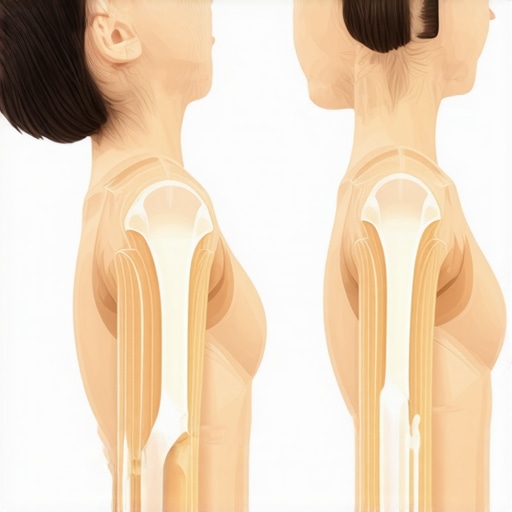
The 30-Second Wall Slide to Fix Rounded Shoulders
I remember the moment clearly — after months of battling persistent shoulder tightness and nagging neck pain, I finally experienced a lightbulb moment that transformed my approach. It was a frustrating cycle: endless stretches, complicated exercises, and still that stubborn rounding of my shoulders. Then I discovered the simple yet powerful Wall Slide, and in just 30 seconds, everything shifted. Have you ever felt like your posture is just stuck, no matter what you try? Well, you’re not alone. Many of us struggle with rounded shoulders, which can lead to chronic discomfort and even impact confidence. Today, I want to share how this quick wall exercise revamped my mobility and could do the same for you.
Why Fixing Rounded Shoulders Is More Than Just About Looks
Let’s face it, rounded shoulders aren’t just an aesthetic issue — they can affect your entire upper body health. From neck tension to back pain, the repercussions are real. Studies show that poor posture can increase the risk of musculoskeletal problems, leading to a cycle of discomfort that’s hard to break (source: Chiropractic and Back Pain). Why does this happen? Because when your shoulders roll forward, your chest tightens, your upper back weakens, and your spinal alignment gets compromised. It becomes a domino effect, impacting breathing, digestion, and even mental clarity.
But here’s the good news: addressing this isn’t about endless workouts or complicated gadgets. Sometimes, the simplest movements, executed consistently, can create profound changes. The Wall Slide is one such movement — easy, fast, and effective. I personally tried countless solutions before, but nothing stuck quite like this. It’s a testament to how a targeted 30-second habit can rewire muscle memory and improve posture.
Before I dive into how to do it right, I want to share one mistake I made early on that set me back: I thought I could solve everything with static stretching. Spoiler alert — it only made my shoulders tighter! It’s crucial to understand that strengthening and mobility exercises, like the Wall Slide, are what truly make a difference. If you’ve been caught in the stretch-repeat cycle, check out this guide for better strategies.
Now, if you’re ready to give your shoulders a quick reset and reclaim your mobility, let’s get started with the 30-second Wall Slide. Trust me, your posture — and your pain levels — will thank you.
Get into the Right Position
Begin by standing with your back flat against a wall, feet about a foot away, and heels touching the wall. Imagine you’re trying to create a ‘stick’ along your spine—shoulders, mid-back, and hips all gently pressed into the wall. I once struggled to keep my lower back flush against the wall until I realized I was tensing my abdominal muscles. Practice relaxing those muscles to allow your lumbar curve to settle naturally against the wall, much like finding a comfortable position for a lazy cat.
Align Your Arms Correctly
Raise your arms to make a goalpost shape, with elbows bent at about 90 degrees and forearms parallel to the floor. Keep your wrists relaxed. I remember trying to force my arms higher, but it only caused shoulder discomfort. Instead, focus on moving slowly, feeling the shoulder blades gently squeeze together as if you’re trying to hold a small apple between them. This ensures your scapulae are engaging properly, which is key for mobilization.
Do Not Overextend
Don’t push your arms further than your mobility allows; forcing can cause strain. Think of your shoulder joints like hinges—they have a natural range that shouldn’t be forced. I once vigorously tried to reach a ‘perfect’ position, leading to soreness. Move within your comfortable limits, and gradually increase over time.
Execute the Slide
Slowly slide your arms upward along the wall, aiming for your hands to meet at the top in a straight line. Keep your lower back pressed against the wall; avoid arching it away. I found that attempting to ‘reach higher’ often caused my hips to sway, so I paused to reset each time. Visualize your arms moving along a tray, keeping everything aligned. Reach and pause briefly at the top to maximize mobility gains.
Return with Control
Gently slide your arms back down to the starting position. Control is crucial; avoid dropping them abruptly. This controlled movement trains your muscles to engage properly, similar to slowly lowering a heavy object instead of dropping it. I managed to improve my shoulder mobility significantly by emphasizing slow, deliberate reps—worth the effort for lasting change.
Repeat Briefly but Frequently
Perform 2-3 sets of this movement, ideally daily. Consistency is your best friend here; even a quick 30-second session can unlock new mobility pathways. Just like brushing your teeth, a little routine yields big results over time.
Incorporate into Daily Habits
Integrate this into your morning or post-work routine to break up long periods of sitting or repetitive tasks. I found that doing the Wall Slide during my coffee break kept my shoulders from becoming stiff, serving as a mini reset for my posture. Remember, small, frequent moves are more effective than occasional lengthy sessions for lasting change.
Be Mindful of Your Breathing
Maintain steady, deep breaths throughout the exercise. Breath control supports muscle relaxation and coordination. I noticed that holding my breath increased tension, counteracting the benefits. Think of your breath as the wind guiding a sail—steady and smooth helps you move effortlessly through the exercise.
Seek Expert Guidance When Needed
If you’re unsure about your form or experience lingering discomfort, consulting a professional can prevent setbacks. A quick spinal assessment can identify hidden issues contributing to poor mobility. For more insights, check out this guide on enhancing mobility naturally with chiropractic care, which complements this exercise well.
Many people approach chiropractic with a mix of hope and skepticism, but what surprises many is how entrenched misconceptions can hinder real progress. A common myth is that chiropractic adjustments alone are sufficient for lasting relief and improved mobility. While adjustments are valuable, they are just one piece of a comprehensive approach; neglecting exercise, posture habits, and self-care often stalls recovery. Moreover, the idea that once you’re ‘cured,’ you can revert to old habits is a trap that leads to recurring issues. True improvement requires ongoing commitment beyond the adjustment table. Another nuanced misconception is that chiropractors only address acute pain, but top practitioners understand that chronic issues—like long-standing neck or back pain—demand targeted mobility strategies and lifestyle modifications. Overlooking these can cause setbacks, despite regular visits. Interestingly, many believe that more frequent adjustments speed up healing, but evidence suggests that overdoing it might lead to sensitize the nervous system or weaken stabilization muscles temporarily — similar to how a hormone imbalance might cause inflammation without addressing the root cause (source: Chiropractic and Back Pain). An advanced mistake is assuming that pain equals misalignment needing correction, but pain can also be a sign of nerve irritation, muscle imbalance, or even repetitive strain, which might not be evident on X-rays. Misinterpreting symptoms can lead to unnecessary adjustments or overlooking other key factors. For example, focusing solely on the spine ignores connections like the psoas or diaphragm that influence posture and mobility.
How can understanding spinal biomechanics influence your long-term mobility?
Recognizing that subtle imbalances in spinal segments can cascade into systemic issues shifts the approach from symptomatic relief to addressing root causes. This means working with your chiropractor on specific stabilization exercises, breathing techniques, and ergonomic habits. It’s essential to partner with a practitioner who emphasizes education on movement patterns and functional rehab — not just quick fixes. For instance, integrating mobility routines like the Wall Slide we discussed earlier can complement adjustments and prevent future setbacks. To deepen your understanding, explore how chiropractic care enhances mobility naturally and why sustained efforts surpass quick fixes. Remember: your body is a dynamic system, and addressing misconceptions ensures your efforts lead to lasting change. Have you ever fallen into this trap? Let me know in the comments.Maintaining your progress in spinal health and mobility requires the right tools, consistent routines, and a clear understanding of what works best for your body. Personally, I rely on a few specific items that have proven invaluable in my ongoing self-care regimen. One essential tool I swear by is a high-quality foam roller. Unlike inexpensive options, my preferred foam roller has a textured surface that targets deep muscle tissues, helping to release myofascial tightness and improve circulation. Regular use not only alleviates muscle tension but also prevents old injuries from flaring up. I recommend investing in a dense, durable foam roller and integrating a 5-minute rolling routine into your mornings or evenings, especially after long periods of sitting or intense activity.
What I Wish I Knew Before Turning to Quick Fixes
One of the most valuable lessons I learned was that genuine progress requires patience and understanding, not just quick movements. I used to believe that intense stretches alone would fix my rounded shoulders, but I realized that muscle imbalances and movement patterns needed a comprehensive approach. The real breakthrough came when I focused on small, consistent daily habits, recognizing that true mobility is built gradually. Moreover, I discovered that listening to my body and respecting its limits prevented setbacks and fostered sustainable results.
Another insight was the importance of integrating exercises like the Wall Slide into a daily routine rather than sporadically. This consistency compounded over time, reinforcing muscle memory and aligning my posture naturally. I also learned that seeking guidance—either from trusted resources or professionals—makes a significant difference, helping you avoid common pitfalls and accelerate your progress. Remember, improvement isn’t about perfect moves overnight but about making smart, informed choices every day.
Tools That Became My Non-Negotiables
My first recommendation is a high-quality foam roller. It helps me manage muscle tightness and maintain flexibility, especially after long periods of sitting or activity. I’ve found that investing in a dense, textured foam roller enhances the release of myofascial tissue far better than cheaper options. Pairing this with a simple set of resistance bands allows me to strengthen weak muscles that contribute to poor posture.
Additionally, I trust the guidance found in authoritative books like this resource which synthesizes expert tips into practical steps. Finally, I always keep a journal to track my progress, noting what exercises and habits yield the best results. This feedback loop keeps me motivated and helps customize my regimen, ensuring I continue developing mobility that lasts.
Embrace Your Journey Toward Better Posture
The path to improved mobility and posture isn’t about flawless execution but persistent effort guided by awareness and patience. Remember, every small step adds up—whether it’s a quick Wall Slide in the morning or mindfulness about your daily habits. The most important part is to start, stay consistent, and listen to your body’s signals. Your future self will thank you for the commitment you make today. So, what’s one small change you can start implementing now to transform your mobility and posture? Share your thoughts below and let’s support each other in this journey.