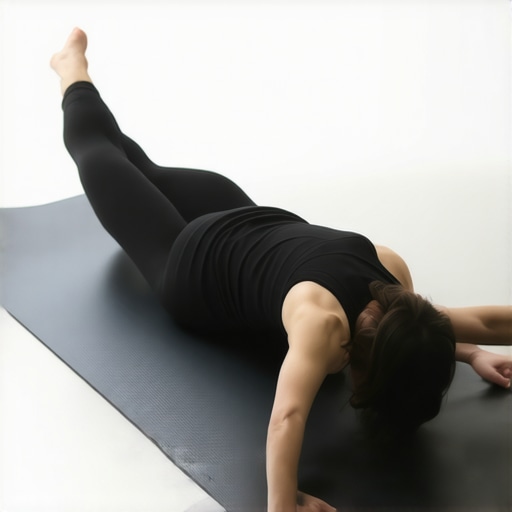
Why Deep Tissue Massages Don’t Fix Chronic Back Issues
I remember the moment clearly. I was lying face down on the massage table, muscles tense and aching, hoping that this deep tissue massage would finally untangle the knots causing my persistent back pain. The therapist pressed deep, and for a brief moment, I felt relief—only to wake up the next day with pain back where I started. It was a lightbulb moment: deep massages weren’t the magic fix I had hoped for. That realization changed everything for me—and it might do the same for you.
Why Relying on Deep Tissue Massages Often Miss the Mark
Deep tissue massages are popular for a reason—they can feel like instant relief and sometimes even help loosen tight muscles temporarily. But when it comes to chronic back issues, they often fall short. The reason? Chronic pain isn’t usually just about muscle knots or strict tissue restrictions. Instead, it’s a complex story involving posture, nerve function, and movement patterns that these massages don’t address. Relying solely on them is like trying to fix a broken computer by only cleaning the keyboard.
Recent studies reveal that while massages can provide temporary comfort, they rarely lead to lasting relief if underlying issues aren’t addressed. According to a 2020 report from the National Institutes of Health, persistent back pain is often tied to postural imbalance and nerve irritation—problems that require more targeted intervention.
If you’ve been relying on deep tissue massages as your primary fix and still find yourself in pain, you’re not alone. I made this mistake early on—thinking that a good massage was all I needed. But over time, I learned that addressing posture and movement was crucial. For a more effective approach, I turned to proven chiropractic strategies and simple habits that actually rebuild spinal health. Curious about what really helps? Keep reading, because I’m about to share the steps that finally brought me lasting relief—and can do the same for you.
Is It Really Worth Trying Again? The Skeptic’s Guide
Let’s be honest—if you’ve spent money and time on massages and nothing changed, it’s easy to feel discouraged. I’ve been there. Early on, I thought, “Maybe I just need more frequent massages,” but that only kept me chasing quick fixes. If you’re wary about whether real progress exists beyond massages, you’re not alone. The truth is, you need a comprehensive plan that targets the root causes of your pain.
Trust me—making this mistake early on slowed my recovery. I wish I had learned sooner that a holistic approach, including p
rogramming movement and posture improvements, would be more effective. The good news? You don’t have to figure this out alone. There are expert strategies and simple steps to enhance your back health—check out this guide for practical tips to start transforming your back today. Ready to break free from the cycle of temporary relief and discover what truly works? Let’s dive into the real solutions that can change your life.
Assess Your Posture and Movement Habits
Start by observing how you sit, stand, and move daily. Picture your spine as a stack of unevenly distributed blocks—if one block tilts, the entire stack becomes unstable. I once caught myself slouching at my desk for hours, causing my lower back to ache relentlessly. To fix this, I set reminders to check my posture every 15 minutes, engaging in quick corrections like tucking my chin and leveling my pelvis. Consistently aligning your body reduces undue strain and creates a foundation for lasting relief.
Implement Targeted Mobility Exercises
Mobility drills are like tuning the gears on a machine—they ensure everything moves smoothly. For instance, I began a daily routine involving simple hip and thoracic (mid-back) mobility exercises, which significantly improved my spine’s flexibility. One effective move is the chest opener: stand in a doorway, place your forearms on the frame, and gently step forward to stretch tight chest muscles that pull your shoulders forward, putting stress on your back. Regularly practicing such exercises prevents stiff joints and restores natural movement patterns.
Incorporate Specific Strengthening Techniques
Strengthening core and back muscles is crucial—think of it as building a supportive cage around your spine. I dedicated time to exercises like bird dogs and planks, which stabilize your lumbar area. When I first tried the bird dog, my balance was shaky, and my lower back felt worse before it got better. I learned to focus on slow, controlled movements, engaging my abdominal muscles deeply. Strengthening these muscles provides support during daily activities, reducing reliance on external fixes like massages and cushions.
Adjust Your Daily Environment
Your environment plays a silent but powerful role. For example, I replaced my laptop with an adjustable stand, bringing my screen to eye level, which prevented me from leaning forward and straining my neck. Proper ergonomic setup is akin to calibrating a musical instrument—small adjustments yield harmonious movement. A good rule is to ensure your knees are level or slightly lower than your hips when sitting, and feet flat on the ground, promoting better spinal alignment.
Practice Breathing and Relaxation
Building awareness of your breath helps release muscle tension. I started taking slow, diaphragmatic breaths during breaks, which calmed my nervous system and eased spinal pressure. Deep breathing acts like releasing built-up stress valves—without it, muscles tighten stubbornly. Incorporating this practice daily can significantly diminish chronic pain cycles.
Progressively Reintroduce Movement
Slow, intentional movement aids recovery—think of it as gradually loosening a rusty hinge. After a period of rest, I began gentle walking and light stretching, listening to my body’s signals. I avoided aggressive routines initially, focusing instead on controlled, pain-free motion. Over time, this builds resilience and restores confidence in your body’s ability to move without pain.
If these steps seem simple but are hard to implement alone, consulting with a chiropractor can give you tailored guidance. To explore more effective strategies, check out this resource or reach out through contact pages. Remember, healing is a process—consistent action trumps quick fixes every time.Many believe that chiropractic adjustments alone can fix long-term back and neck issues, but in my experience, this is a common misconception. While spinal manipulations provide immediate relief, relying solely on them often neglects the nuanced factors that contribute to pain, such as postural imbalances and movement patterns. A frequent trap is thinking that cracking or adjusting will permanently resolve symptoms, but without addressing underlying biomechanics, these are merely temporary fixes.
Moreover, a widespread myth is that mobility exercises are universally good for everyone. In reality, certain mobility drills can worsen specific conditions if not tailored properly. For example, aggressive stretching of stiff muscles might seem beneficial, but if the underlying issue is joint restriction or nerve sensitivity, stretching can exacerbate pain instead of alleviating it.
The advanced nuance many overlook pertains to the nervous system’s role in chronic pain. Persistent discomfort often involves a neuro-sensitization process, where the nervous system becomes hypersensitive and amplifies pain signals. This means that rehabilitation should include not just physical exercises but also strategies to recalibrate neural pathways, such as controlled breathing or mindfulness techniques.
Addressing misconceptions about the quick fixes and oversimplified solutions is essential for lasting recovery. For instance, integrating combined approaches—like targeted chiropractic care with movement re-education and posture correction—yields better results than isolated treatments. Curious about how to spot these nuanced issues? You might find this article on enhancing mobility effectively helpful.
One critical ‘oops’ to avoid involves over-reliance on passive treatments like massages or adjustments without active participation. Passive therapies can provide precious relief, but if patients do not incorporate active exercises and ergonomic changes, pain often returns. That’s why ongoing movement practice and environment modifications are vital. For a strategic plan tailored to your needs, consider consulting experts—reach out through this contact page.
In conclusion, understanding the complex interplay between biomechanics, neural factors, and lifestyle habits is key. Avoid jumping into quick fixes; instead, adopt a comprehensive view that considers all contributing elements. Have you ever fallen into this trap? Let me know in the comments.
Maintaining spinal health long-term requires the right combination of tools, routines, and mindset. Over the years, I’ve curated a set of specific equipment and techniques that have transformed my recovery and prevention strategies. Sharing these can help you develop a sustainable plan for keeping your back and neck working optimally. Remember, consistency and education are key, so invest in tools that empower you to take control of your health.
Invest in a Quality Foam Roller and Massage Balls
For my daily mobility and tissue health, I rely on a high-density foam roller and a set of massage balls. I prefer a softer foam roller for general use because it provides enough pressure to release muscle tightness without overstimulating sensitive tissues. I use a smaller, denser massage ball—specifically the Lacrosse ball—to target stubborn trigger points, especially in my upper traps and deep in my glutes. These tools are cost-effective, portable, and essential for self-myofascial release, which significantly reduces muscle knots that contribute to chronic tension.
Embrace Ergonomic Workspace Equipment
Since much of our day is spent at desks or computers, ergonomic tools are a game changer. I upgraded my workspace with an adjustable sit-stand desk and an ergonomic keyboard tray. This setup allows me to alternate positions, reducing static strain on my neck and lower back. I also use a monitor riser to keep my screen at eye level, preventing forward head posture. These adjustments help me maintain proper spinal alignment, preventing the buildup of stress and tension over long hours.
Utilize a Posture Training Device
To reinforce good habits, I use a discreet posture corrector brace during work sessions. While not a long-term fix, it serves as a cue to maintain awareness of my shoulder and neck position. Additionally, I practice the mindful movement techniques daily to build internal strength and control. Combining these tools has helped me develop better neuromuscular awareness, which is crucial for ongoing health.
Software and Apps for Movement Tracking
Modern technology offers excellent support for mobility and posture. I use an app like Upright Smart Posture Coach, which vibrates when I slouch or adopt poor positioning. This timely feedback encourages me to correct my posture instantly. Tracking my movement patterns and posture habits has made a tangible difference in reducing neck and back pain episodes. These tech tools are especially helpful for identifying patterns that need correction and maintaining discipline over time.
Where Do I See Supercharged Results Going?
Looking ahead, advancements in biofeedback devices and AI coaching will further personalize these tools, making spinal health maintenance more accessible and effective. Imagine wearable sensors that provide real-time biomechanical data, guiding you through corrective exercises tailored precisely to your needs. As research progresses, integrating these technologies with traditional chiropractic strategies will likely become the gold standard for long-term wellness.
How Do I Keep My Back and Neck Functioning Year After Year?
Consistency is vital. Incorporate daily mobility drills, use ergonomic equipment, and stay aware of your posture. Regularly check in with a chiropractor—consider visiting for a comprehensive assessment or tune-up. One advanced tip you can try today is the 10-second breath release during moments of tension. This simple technique activates your parasympathetic nervous system, relaxing muscles and reducing pain flare-ups. Remember, tools complement your habits; they don’t replace your commitment to movement and mindfulness.
If you’re ready to elevate your approach or need tailored guidance, don’t hesitate to reach out for expert support. Staying proactive with the right tools today paves the way for resilient, pain-free movement tomorrow.
Three Surprising Lessons That Shifted My Approach to Back Pain
First, I realized that quick fixes like deep tissue massages only provided temporary relief and often masked the deeper issues tied to posture and movement patterns. Second, focusing solely on pain symptoms without addressing nervous system sensitivity and neural pathways was like fixing a leaky pipe without stopping the flood—ineffective long-term. Lastly, consistency and active engagement in mobility, posture correction, and ergonomic habits are the true keys to lasting healing, not occasional treatments.
The Tools That Transformed My Recovery Journey
My personal toolkit includes a high-density foam roller and massage balls, which I trust for self-myofascial release. I also rely on an adjustable sit-stand desk and monitor risers to promote better ergonomics. Incorporating apps like Upright to monitor posture has helped me develop mindful habits. These tools, combined with expert guidance from my chiropractor, created a sustainable plan for ongoing health and mobility.
Embracing Your Power to Heal and Thrive
Your journey toward pain-free living is unique, and the most important step is to believe in your capacity to change. Small daily actions—checking your posture, integrating mobility exercises, and creating an environment that supports spinal health—compound into significant improvements over time. Remember, healing isn’t about a quick fix; it’s about embracing a lifestyle of movement, awareness, and resilience. Ready to take control? Reach out through this link and start your transformation today.