Why you should stop cracking your own neck during the workday
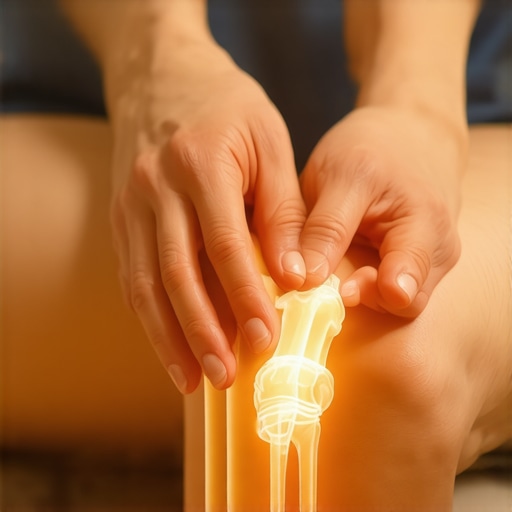
It was a typical Tuesday afternoon, and I was glued to my computer, trying to meet a deadline. Out of nowhere, I felt that irresistible urge to crack my neck — just one quick pop, right? But this time, instead of relief, I was met with a dull ache that lingered for hours. That uncomfortable sensation was my lightbulb moment, a stark reminder that those quick neck cracks aren’t as harmless as they seem.
The Hidden Risks of Self-Crack Therapy During Work Hours
If you’ve ever caught yourself popping your neck repeatedly during a busy workday, you’re not alone. Many believe that cracking their own neck provides immediate relief, helping them push through tightness or stiffness. However, this habit can actually do more harm than good over time, potentially leading to chronic pain or even nerve damage. What’s more, the relief you feel is often temporary, masking underlying issues that need proper attention.
Interestingly, a study published in the Journal of Manipulative and Physiological Therapeutics shows that frequent self-manipulation of the cervical spine may increase the risk of vascular injury or nerve compression (source). As someone who used to crack my neck without a second thought, I learned the hard way that this quick fix isn’t the long-term solution.
So, today, I want to share with you why stopping this habit is crucial and how you can address the root causes of neck tension properly. Trust me, taking care of your spine isn’t just about avoiding pain — it’s about enhancing your overall well-being and productivity.
Have you ever experienced a sharp twinge or persistent stiffness after cracking your neck? If so, don’t worry — you’re not alone. The good news is, there are effective strategies to relieve neck discomfort and improve mobility without risking your health.
Let’s dive into why your neck might be begging for a different approach and how you can start making smarter choices right now.
Stop Cracking Recklessly: Use Proper Techniques
First, replace your instinct to crack your neck with controlled movements. Sit upright, relax your shoulders, and gently tilt your head, holding each position for 10 seconds. This reduces strain and promotes natural joint movement. I tried this during a busy afternoon; initially awkward, I noticed less tension over time, and my neck felt more stable (see expert methods).
Incorporate Gentle Mobility Exercises
Neck Rolls and Shoulder Shrugs
Perform slow neck rolls by lowering your chin to your chest, then rolling your head side to side. Follow with shoulder shrugs, raising shoulders toward your ears, holding briefly, then releasing. Doing these movements daily loosens stiff tissues and enhances joint health. Once, I added these to my morning routine, and within days, I experienced decreased stiffness and improved range (boost mobility techniques).
Practice Proper Posture Habits
Align your workspace to support your spine. Position your monitor at eye level, keep feet flat on the ground, and use a lumbar roll to maintain the natural curve of your lower back. When I adjusted my chair height and used a lumbar pillow, my neck tension reduced significantly. Small environmental tweaks lead to substantial health benefits (natural mobility tips).

Strengthen Supporting Muscles
Engage in targeted exercises like isometric neck presses or scapular stability drills to build resilience. Incorporate these into your routine thrice a week. I noticed early improvements after consistent practice, particularly less fatigue after long work sessions. Strengthening muscles that support your neck and back is key to maintaining proper alignment (expert tips).
Seek Professional Guidance
If discomfort persists or worsens, consult a chiropractor experienced in mobility restoration. They can identify underlying issues and tailor a plan suited to your needs. My sessions helped me unlock stubborn restrictions that didn’t respond to self-care alone. Remember, proper evaluation and targeted treatment accelerate recovery (proven chiropractic strategies).
Many people believe that pushing through pain or relying solely on quick fixes like stretching or cracking automatically leads to improved mobility. However, this mindset often masks underlying issues and can impede true progress. A common misconception is that pain equals stiffness; in reality, pain may signal nerve irritation or joint instability that shouldn’t be ignored. Relying on aggressive stretching without understanding the underlying causes can even worsen symptoms, as overstretching healthy tissues may lead to microtears and inflammation (see expert techniques).
One hidden trap many fall into is neglecting muscle imbalances that subtly perpetuate pain cycles. For example, tight hip flexors may pull the pelvis forward, increasing strain on the lower back, yet many address only symptom relief rather than addressing the root cause. Myths such as “more mobility always equals better health” ignore the importance of joint stability over mere flexibility.
From an advanced perspective, understanding the neuromuscular control involved in movement reveals why some traditional approaches fall short. Motor control exercises that focus on proper activation patterns, rather than just passive stretching, can yield more sustainable results. For instance, engaging in isometric stabilization drills helps retrain muscles to support joints effectively, preventing recurrent injuries (expert tips).
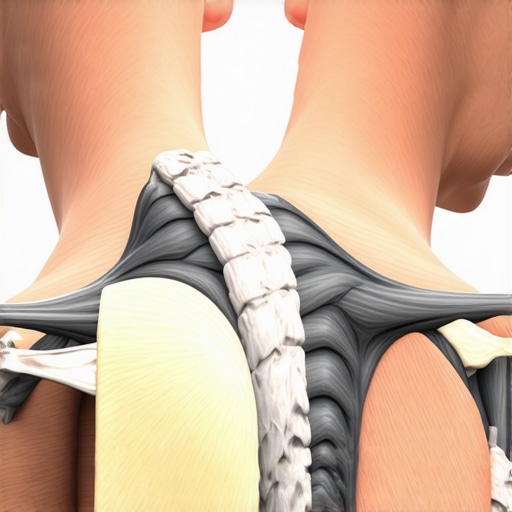
It’s also vital to recognize that pain is often a symptom of deeper spinal health issues. Misaligned vertebrae or hidden disc problems may not be obvious but can significantly impact mobility and pain levels. Consulting professionals who understand the intricate links between spinal health and movement, like chiropractors, can uncover these hidden factors and craft tailored interventions. Proper spinal alignment supports nervous system health, which is essential for coordinated movement and pain-free function (see the connection).
Have you ever fallen into this trap? Let me know in the comments. Remember, true mobility involves more than just stretching or cracking—it’s about restoring functional stability and understanding your body’s unique needs.
Building a Reliable Toolkit for Long-Term Mobility
When it comes to keeping your neck and back healthy, investing in the right tools can make a significant difference. Personally, I rely on a combination of specific equipment and techniques that support my ongoing mobility and pain management routines. A high-quality foam roller, for example, is invaluable for releasing tight muscles around the spine and shoulders. I prefer a dense, medium-sized foam roller that can target deep tissues without causing excessive discomfort. Regular self-myofascial release with this tool helps prevent stiffness and supports the natural movement patterns I maintain through exercise and chiropractic adjustments.
Another essential device I recommend is an ergonomic posture monitor, which allows me to track and adjust my workspace setup in real-time. By maintaining proper alignment with the aid of this tech, I avoid the common pitfalls that lead to chronic neck or back pain. For software, I use apps designed for posture correction and mobility tracking. These applications send gentle reminders to check your alignment and guide you through quick mobility drills, keeping your spine in optimal condition throughout long workdays.
Why You Need the Right Support and Mobility Aids
Supporting your spine with proper tools isn’t just about immediate relief — it’s about creating habits that favor long-term health. For instance, an adjustable lumbar support pillow in your chair can sustain the natural curve of your lower back, reducing strain during extended sitting sessions. I’ve found that consistently using such support helps reinforce proper posture, especially when combined with regular mobility exercises like neck rolls and shoulder shrugs. Incorporating these supportive tools into your routine ensures that your spine remains resilient against daily stresses and repetitive movements.
Predicting the Future of Spinal Care Tools
As technology advances, I predict a move towards smarter, interconnected devices that actively monitor spinal health and provide personalized feedback—think AI-powered posture assistants that learn your habits and suggest modifications. Wearable sensors integrated with apps could alert you when your movement patterns veer into potentially harmful territory, prompting immediate corrections. Embracing these innovations now can prepare you for a future where maintaining mobility becomes more intuitive and tailored to individual needs.
How do I maintain neck and back mobility over time?
The key is consistency and using the right combination of support, movement, and professional guidance. Regularly scheduled chiropractic sessions, complemented by targeted exercises and supportive tools, establish a sustainable routine. For example, I incorporate daily mobility drills, use ergonomic aids, and schedule periodic check-ins with my chiropractor to optimize my spinal health. If persistent discomfort arises, seeking professional evaluation and personalized treatment like those described in expert chiropractic techniques can help you stay on track. For those eager to elevate their self-care, I recommend trying an advanced mobility exercise, such as the 2-minute wall stretch, to instantly improve shoulder posture and reduce tension. Remember, proactive maintenance today paves the way for pain-free movement tomorrow.
Over the years, I realized that many of the habits we develop for quick relief—like cracking our necks during a busy workday—actually do more harm than good. One lightbulb moment was when I thought, “Why does my neck feel worse after cracking it?” Leading me to understand the importance of proper spinal health and mindful movement. These lessons taught me patience and pushed me to seek sustainable solutions rather than temporary fixes.
The Truth That Changed My Approach to Spinal Health
One key insight was discovering how muscle imbalances and poor posture without our awareness contribute significantly to pain. Relying solely on stretches or self-manipulation often masks underlying issues, delaying genuine recovery. It became clear that addressing root causes through professional guidance and strengthening exercises yields lasting relief (learn from the experts).
My Shift in Thinking About Self-Care and Support Tools
Using ergonomic supports and incorporating targeted mobility routines transformed my daily comfort. I realized that small adjustments—like a better chair or mindful stretching—are powerful. Regularly consulting qualified professionals helped me understand that spinal health is a continuous journey, not a quick fix. This awareness inspired me to build habits that protect and strengthen my neck and back consistently (see expert methods).