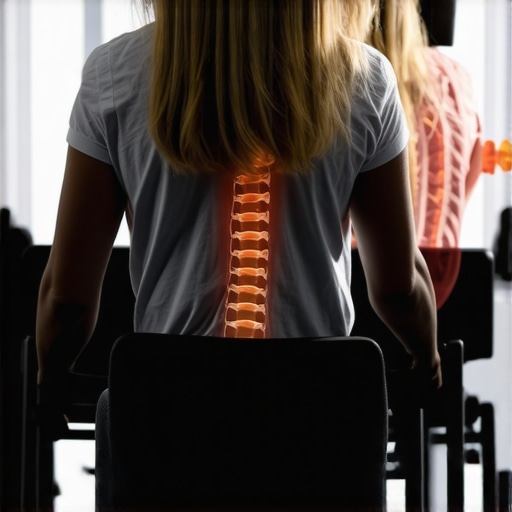
Why your laptop setup is forcing a hump in your upper back
I remember the exact moment I noticed it—the dull ache creeping into my upper back after hours of work, the painful hump forming right over my shoulder blades. It was a lightbulb moment that made me realize my laptop setup was silently turning me into a hunchback, and I hadn’t even noticed. If you’re like me, endless hours hunched over a screen without proper support, chances are you’ve developed a similar posture problem that can lead to chronic pain, discomfort, and even long-term spinal issues.
The Hidden Cost of Poor Laptop Posture
Everyday, I ignored my slouch, telling myself it was just tiredness. But over time, my body fought back. Shoulder tension, neck stiffness, and that uncomfortable hump became part of my daily reality. It’s astonishing how much damage can be done when our work environments are overlooked. Research indicates that poor ergonomic habits are a leading cause of back and neck pain, with posture issues often sneaking up unnoticed until chronic discomfort manifests. This is why addressing our laptop posture isn’t just about aesthetics but a critical step toward preventing serious spinal health issues.
Will Fixing My Posture Really Make a Difference?
Initially, I thought these issues would just resolve on their own or with temporary fixes like stretching. Spoiler: they don’t. A poor setup became my invisible enemy, gradually shaping my spine into a shape I definitely didn’t want—like creating a hump that pulled my head forward and strained my muscles. One fundamental mistake I made early on was ignoring the importance of proper support and positioning. That’s why I want to share tried-and-true strategies to reverse this process, which I found do work when implemented consistently. If you’re wondering whether a few adjustments could make that much difference, trust me—they can. I discovered that real change comes from understanding your body’s needs and aligning your workspace accordingly. For a comprehensive approach to back pain relief and improved mobility, I highly recommend exploring proven strategies [here](https://quackersspinal.com/revitalize-your-mobility-proven-strategies-for-back-pain-relief). Together, we’ll dive into practical steps to correct your posture and restore your spinal health, starting with what you might be doing wrong right now.
Adjust Your Workspace for Maximum Support
Start by evaluating your desk and chair heights. Your keyboard should be positioned so your elbows are at a 90-degree angle, minimizing shoulder strain. Elevate your monitor to eye level to prevent neck forwardness. Think of your posture as a carefully balanced tripod—each support point must align for stability. I once spent a messy hour rearranging my desk, stacking books under my monitor and adjusting my chair height, which immediately reduced my neck tension.
Use a Lumbar Roll to Maintain Spinal Alignment
Place a small pillow or lumbar roll behind your lower back when sitting. This simple addition encourages your spine’s natural curve, preventing slouching. I experimented with a rolled-up towel during one long workday, and it kept my back from tiring out, reducing discomfort. Regular use of a lumbar support mimics the effect of a chiropractor’s hand, guiding your spine into proper position—more effective than you might think.
Incorporate Gentle Movement Breaks
Every 30 minutes, stand and perform quick stretches or movement drills. One effective move is the shoulder blade squeeze: pull your shoulder blades together and hold. It’s akin to pinching a pencil between your back, activating the muscles that hold you upright. I remember doing this during a particularly stiff afternoon—feeling the tension melt away after just a few reps. These micro-movements prevent muscles from tightening and help reset your posture, much like unloading a tense spring.
Leverage Your Body with Targeted Mobility Exercises
Engage in specific mobility drills to restore your upper back and neck flexibility. The wall slide, for instance, involves pressing your arms against a wall while keeping your elbows bent at 90 degrees, then raising and lowering them. It’s like guiding a car’s steering to realign the wheels. A time I tried this, my shoulders felt more open, and I noticed fewer headaches. Regularly practicing such exercises acts as a manual realignment, akin to what a chiropractor does to free up restricted movement.
Practice Proper Lifting and Posture Habits
When picking up objects or adjusting your position, think of your spine as a chain that should stay straight. Use your legs, not your back, to lift, similar to how a forklift operates—lifting from the legs keeps the back safe. I once strained my lower back lifting a heavy box because I neglected this principle, but after learning proper form, lifting became effortless. Adopting these habits reduces strain and supports long-term spinal health, just like a well-designed ergonomic system.
Develop a Consistent Routine for Lasting Results
Create a daily schedule of these practices—combining workspace adjustments, movement, and exercises. Consistency turns first steps into lasting habits. I found that dedicating five minutes in the morning and during breaks made a significant difference over weeks. Think of it as tending a garden; regular care yields a resilient, healthy spine. For more comprehensive strategies, visit this resource.
Even among those committed to resolving their back and neck issues, there’s a surprising amount of misinformation that can hinder progress. One common misconception is that regular stretching alone can fix chronic mobility problems. While stretching is beneficial, relying solely on it overlooks the importance of targeted chiropractic adjustments and strengthening exercises that address the root causes of stiffness and pain. This oversimplification often leads to temporary relief followed by recurrence, creating a cycle of frustration.
Are Quick Fixes Destroying Your Progress? A Deeper Look
Another trap many fall into is believing that cracking your own neck or back provides lasting relief. In reality, self-manipulation can be risky, potentially causing ligament injuries or worsening alignment issues. Chiropractors use specific, controlled techniques to restore proper movement safely, as affirmed by studies from the Journal of Orthopaedic & Sports Physical Therapy. Relying on habitually cracking—especially without professional guidance—can mask underlying problems and delay appropriate treatment. For advanced back pain, understanding the significance of comprehensive care is crucial. Incorporating lifestyle adjustments, targeted mobility routines, and professional interventions leads to sustainable improvements. Dive into this resource on back pain relief strategies to see how a multi-faceted approach makes all the difference. Don’t fall into the trap of thinking quick fixes are enough; true healing involves addressing the complex nuances of spinal health.Maintaining your spinal health requires more than just occasional stretches or posture checks; it involves investing in the right tools and establishing routines that support long-term mobility and pain relief. Personally, I rely on a few select pieces of equipment that have substantially improved my recovery and enabled me to scale my efforts effectively. First, a high-quality ergonomic office chair with adjustable lumbar support transforms my daily workstation experience, ensuring my lower back maintains its natural curve. I also swear by a portable massage foam roller, which I use daily to release muscle knots and improve circulation, keeping my mobility fluid. For real-time posture correction, I use a smart posture sensor that vibrates gently when I slouch, constantly reminding me to stay aligned—this tech has made a profound difference in reducing neck strain over the years.
How do I maintain my mobility tools over time?
Regular maintenance is key: I wipe down my foam roller every week with disinfectant to prevent bacterial buildup, and I calibrate my posture device according to manufacturer instructions to ensure sensitivity. Upgrading my ergonomic chair as my needs evolve and occasionally replacing the foam roller when it loses firmness ensures my equipment remains effective. Looking ahead, technology is trending toward AI-driven posture and mobility monitoring that adapts to your unique biomechanics, promising even smarter support. Incorporating these tools into your daily routine helps sustain improvements and prevent regressions. For a detailed overview of the best strategies to stay mobile and pain-free, explore this resource. Remember, consistency with your tools makes all the difference, and trying out one advanced tip—like setting a daily reminder to adjust your chair—can be a game-changer. The key is to treat your equipment as an extension of your body, maintaining it diligently to reap long-term rewards.
What I Wish I Knew When Starting My Posture Journey
One of the most eye-opening lessons I learned was that progress often comes from the smallest adjustments—like truly understanding that consistency trumps momentary fixes. I used to think a good stretch here and there was enough, but daily routines made all the difference in reversing years of poor posture.
Another insight was realizing that technology, when used wisely, can be a powerful ally. Devices like smart posture sensors and ergonomic tools helped me maintain awareness, transforming habit into health. It’s not about perfection but persistent improvement.
Finally, I discovered that patience is key—true spinal health takes time, and embracing gradual change prevents frustration. Skipping quick fixes in favor of a comprehensive, mindful approach pays off significantly in the long run.
Tools and Resources That Changed My Approach
Every journey is unique, but certain tools truly accelerate progress. My top recommendation is a high-quality ergonomic chair with adjustable lumbar supports—it’s a game changer for daily comfort and alignment. I also rely on a portable foam roller; it’s simple yet effective for releasing muscle tension after long days.
To stay constantly aware of my posture, I use a smart posture sensor that vibrates when I slouch. It’s like having a personal coach monitoring me throughout the day, which helps reinforce good habits naturally.
Lastly, I recommend exploring trusted online resources such as this comprehensive guide, which offers detailed strategies for back pain relief and mobility. These tools support a proactive lifestyle, making maintaining spinal health both manageable and sustainable.
Your Next Step Toward Lasting Mobility
Remember, improving your back and neck health isn’t about quick fixes; it’s about embracing a routine that respects your body’s natural needs. By integrating proper workspace ergonomics, targeted exercises, and the right tech tools, you’re investing in a future free from pain and stiffness. Your mobility is worth the effort—start today, and watch how your body responds over time.
What simple change will you try first to support your spinal health? Let me know below!
,