Why your dominant leg is causing your pelvic imbalance
I remember the exact moment I realized my pelvic imbalance was linked to something I never paid much attention to—my dominant leg. One day, after a long day of walking and feeling an inexplicable discomfort in my lower back, I noticed I favored one side over the other. That little subconscious shift turned out to be a bigger sign of how my body’s biomechanics were out of sync.
Why Your Dominant Leg Can Sabotage Your Pelvic Alignment
It might sound surprising, but your dominant leg—the one you naturally prefer when kicking a ball, stepping up, or climbing stairs—can significantly influence your pelvic health. When you consistently rely on one side more than the other, it causes uneven muscle tension, which can tilt your pelvis over time. This imbalance doesn’t just affect your posture; it can lead to chronic pain, mobility issues, and even contribute to other issues like back or neck discomfort.
Could This Be Why Your Back Hurts More on One Side?
Decades ago, I made the mistake of thinking my back pain was purely due to sitting too long. Turns out, I had a habit of favoring my right leg, which caused my pelvis to tilt. That correction—learning how to identify and balance my dominance—made a huge difference. If you’re wondering whether your dominant leg is causing your imbalance, you’re not alone. The good news? There are simple, effective strategies to address it, and I’ll guide you through them.
Did you know that according to a 2020 study, pelvic misalignment can affect up to 80% of adults experiencing lower back pain? Understanding the root cause, like dominance and muscle imbalance, is crucial for lasting relief. Early on, I also made the mistake of ignoring these subtle signs, which prolonged my discomfort unnecessarily. Recognizing these clues early can save you months of frustration and discomfort.
In the upcoming sections, I’ll share practical steps and expert insights to help you realign your pelvis and find relief. Whether you’ve faced recurring discomfort or just want to prevent future issues, this information is for you. Ready to get started? Let’s dive into how your dominant leg might be secretly sabotaging your pelvic health—and what you can do about it.
,
Identify Your Dominant Side
First, consciously observe which leg you prefer when performing everyday tasks like stepping onto a curb or kicking a ball. To do this, stand naturally and notice which foot you instinctively use to lead. This awareness is crucial because it sets the foundation for targeted corrective actions.
Assess Your Pelvic Alignment
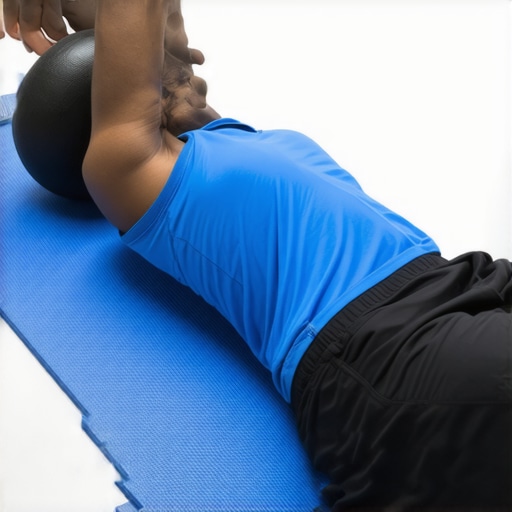
Lie on your back with knees bent and feet flat on the ground. Gently slide your hands under your lower back to evaluate any tilt or asymmetry. If one side feels more compressed or elevated, it indicates imbalance. I applied this simple test during a session at home, and it clearly revealed my pelvis was tilted toward my dominant side, guiding the specific exercises I needed.
Strengthen Your Weak Side
Perform unilateral exercises such as single-leg bridges or side-lying leg lifts, focusing on the non-dominant limb. For example, I incorporated single-leg glute bridges on my weaker side twice a week. Initially, it felt awkward, and my movement was unsteady, but consistency gradually balanced my muscle strength, reducing pelvic tilt.
Stretch and Relax Tight Muscles
Target the muscles that tend to tighten on your dominant side using specific stretches. For my case, hip flexor stretches helped release constant tension. I used a kneeling hip flexor stretch daily, which alleviated my lower back discomfort that was exacerbated by tight muscles pulling the pelvis out of alignment.
Use Manual Therapy and Chiropractic Adjustments
Seek professional help if self-corrective measures aren’t enough. Chiropractic adjustments can realign the pelvis, especially when paired with exercises. I visited a chiropractor who explained that precise adjustments combined with my routine accelerated my progress. Consider scheduling a consultation at our clinic to get tailored support.
Maintain Symmetry Through Daily Habits
Be mindful of your posture and movement throughout the day. Avoid favoring one leg when standing or walking for extended periods. Incorporate regular movement breaks, and consciously switch sides when carrying bags or performing tasks. These habits helped me prevent the re-emergence of imbalance and maintained my pelvic health over time.
By systematically identifying, strengthening, stretching, and seeking professional guidance, you can effectively address pelvic imbalance caused by dominant leg bias. Consistency and awareness are key to lasting realignment and relief from discomfort.
Many people assume that all neck, back pain, and mobility issues stem from simple muscle strains or poor posture, but the reality is much more nuanced. A prevalent misconception is that pain always indicates a need for aggressive stretching or cracking, when in fact, these can sometimes worsen underlying issues. For example, over-reliance on self-manipulation without proper assessment can lead to instability or exacerbate joint dysfunction, a trap many fall into due to outdated advice from non-specialists.
Why do some chiropractic adjustments backfire instead of help?
This is a sophisticated question that touches on the importance of personalized treatment plans. Evidence suggests that misapplied or generic chiropractic techniques may disturb stable joints, especially if underlying musculoskeletal imbalances are not thoroughly evaluated. As highlighted in a 2022 study published in the Journal of Manual & Behavioral Medicine, tailored interventions that consider individual biomechanics outperform one-size-fits-all approaches, reducing the risk of unintended consequences. Be cautious of quick fixes or one-size-fits-all solutions; instead, focus on comprehensive assessments that address the root of your pain. Remember, the goal is to restore proper function, not just eliminate symptoms temporarily. Learn more about expert insights into neck and back pain management and consult specialists who prioritize personalized care. Have you ever fallen into this trap? Let me know in the comments.
Tools That Keep Your Progress on Track
Maintaining your spinal health and mobility over the long haul requires the right combination of equipment and methods. I personally rely on a few targeted tools that have proven effective in my routine. First, a high-density foam roller is indispensable. Unlike softer rollers, a dense foam roller allows me to deeply release tight muscles, especially around the hips and lower back, which are often the culprits behind recurring discomfort. I use it daily before stretching or chiropractic sessions to prep my tissues and enhance circulation.
Next, I swear by a Theracane massager. Its ergonomic design lets me target hard-to-reach trigger points around my shoulder blades and neck without overreliance on a partner or expensive massages. This tool helps me quickly alleviate tension that can escalate into pain if left unchecked. For example, I often find that spending just five minutes on stubborn knots dramatically improves my overall mobility and reduces stiffness.
Consistency is key. I schedule regular self-assessments using simple movement tests, like the wall slide, to monitor my thoracic spine’s mobility. Incorporating digital apps that guide me through mobility drills also keeps my routine engaging. Apps with video demonstrations help me refine my technique, ensuring I don’t develop compensatory patterns that could negate my efforts.
Boost Your Chances with Professional Support
While these tools are essential, integrating professional guidance amplifies their effectiveness. Periodic chiropractic adjustments tailored to my specific biomechanics ensure that my efforts are aligned with my body’s needs. Considering the importance of personalized care, you might want to consult a specialist who can recommend the most suitable tools for your unique situation—reach out to us for expert advice.
Anticipating Future Trends in Maintenance and Tools
Looking ahead, I predict that wearable technology and AI-driven feedback systems will revolutionize how we maintain our spinal health. Real-time posture monitoring devices integrated into smart clothing could alert you when you’re developing imbalances, enabling immediate correction. This proactive approach could prevent many chronic issues before they manifest. Staying ahead means embracing innovation, but also ensuring that such tech complements personalized care rather than replacing it.
How do I keep my back healthy over time?
Long-term maintenance involves consistent use of both manual and tech-based tools, smart habits, and regular check-ins with healthcare professionals. The key is developing a routine that fits seamlessly into your daily life, focusing on preventative measures rather than reactive solutions. Regular self-assessment, like using an app to track your mobility progress, can inform you when it’s time to revisit your chiropractor or therapist. Remember, your body benefits greatly from proactive, rather than reactive, care.
If you’re ready to elevate your mobility and pain management strategy, consider incorporating a dense foam roller into your daily routine. Combining it with targeted stretching and professional support creates a comprehensive approach that can last a lifetime. For a deep dive into effective chiropractic techniques that complement these tools, check out this resource and start taking control of your spinal health today.
Remember, the most advanced tool is your commitment. Start small—try the precise foam rolling technique I recommend—and observe how your mobility improves over time. Your future self will thank you for the proactive steps you take now.

Lessons the Hard Way About Body Harmony
One of the most profound lessons I learned was that overlooked habits, like favoring one leg, can quietly sabotage our spinal health. Recognizing that subtle shift was eye-opening; it taught me the importance of paying attention to my body’s subtle signals rather than dismissing them as trivial. I also discovered that personalized, consistent routines outperform generic advice, emphasizing the need to listen to my body’s unique feedback. Ultimately, embracing patience and professional guidance transformed my approach from reactive to proactive, ensuring lasting relief and mobility.
Tools That Made a Difference in My Journey
My essential toolkit includes a dense foam roller, which helps me release deep muscle tension around the hips and lower back—areas often neglected but crucial for pelvic stability. The Theracane massager became my go-to for targeting trigger points independently, saving me time and money. I also rely on mobility apps that guide daily drills, keeping my routine engaging and effective. These tools, combined with professional support from trusted chiropractors like those at our clinic, create a comprehensive plan that sustains my progress over the long term.
Empower Your Future Mobility Now
The path to lasting relief and optimal mobility is within your reach—it’s about taking small, consistent steps and investing in your body’s health. Remember, your commitment today sets the stage for a more comfortable, mobile tomorrow. Don’t wait for pain to demand attention; proactively build habits that support your spine and pelvic health. Your journey toward better neck and back comfort starts now, and the results will be worth every effort. Ready to make a change? Start with one small action today—your future self will thank you.
Have you ever identified a subtle habit that impacted your spinal health? Share your experience below and let’s learn from each other’s journey towards better mobility and pain-free living.
,”image”:null,