How to sleep through the night with a herniated disc
It was a night like any other, yet I remember it vividly—a restless tossing and turning, desperate to find a position that didn’t send shooting pain down my leg. After months of waking up exhausted and frustrated, I finally realized I couldn’t keep going like this. That moment sparked a journey into understanding how to sleep soundly with a herniated disc, and trust me, it’s a game-changer.
Why Sleep Eludes Those of Us with Herniated Discs
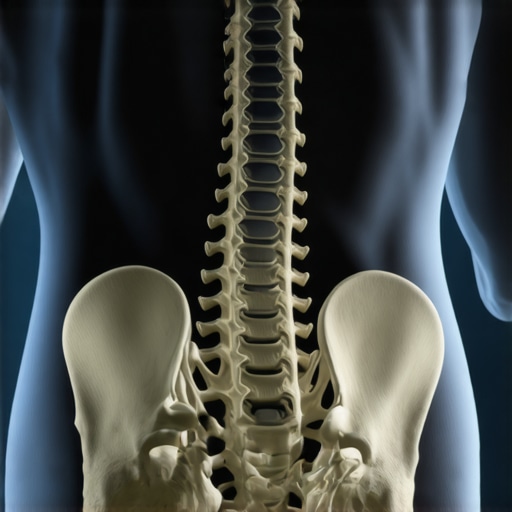
If you’ve ever woken up feeling more sore than when you went to bed, you know the struggle is real. Herniated discs can make finding a comfortable sleep position feel impossible. The pain and discomfort often worsen overnight, creating a cycle of poor sleep, increased pain, and frustration. I used to think it was just about pillows or mattresses, but I learned there’s much more at play—things like posture, movement, and even the type of sleep surface. That’s why I want to share what truly helped me reclaim restful nights. When I first dealt with this, I fell into many traps, like ignoring proper spinal alignment or relying on dangerous shortcuts. Early on, I thought I could outsmart consistent pain with quick fixes, but I ended up making my situation worse. According to recent research, sleep disruptions due to back pain are linked to increased inflammation and delayed healing (source: [Harvard Health Publishing](https://www.health.harvard.edu/pain/sleep-and-back-pain)). The good news? There are proven strategies and adjustments that can make a significant difference. Today, I’ll walk you through some practical steps that finally helped me sleep through the night. So, if you’re tired of waking up exhausted or afraid to turn over in bed, keep reading. We’re about to tackle this challenge together. Are you tired of suffering in silence, waking up sore and frustrated? You’re not alone, and hope is closer than you think. Let’s dive into the real solutions that can transform your nights and your days.
Align Your Sleep Environment
Start by choosing a mattress that supports spinal alignment. Firm yet comfortable mattresses prevent sagging, which can aggravate herniated discs. Use a pillow that keeps your neck and head in a neutral position—consider a cervical pillow designed for herniated disc relief. Keep your sleep surface free of clutter and ensure the room is cool and dark, promoting deeper sleep cycles.
Adopt the Right Sleeping Position
Sleeping on your back with a pillow under your knees reduces lumbar strain, much like relaxing the tension in a stretched rubber band. Alternatively, sleeping on your side with a pillow between your knees maintains pelvis alignment, preventing unwarranted twisting. Avoid stomach sleeping—it adds pressure to your spine, akin to trying to bend a stiff stick repeatedly.
Incorporate Spinal Support Techniques
Utilize a lumbar roll or a rolled-up towel placed behind your lower back if sleeping on your back. This supports the natural curve of your lumbar spine, similar to a cradle holding a baby gently. When lying on your side, place a supportive pillow behind your back to prevent rolling into awkward positions during the night. These small adjustments can make a huge difference, similar to bolstering a fragile structure.
Establish a Bedtime Routine for Mobility
Before sleeping, perform gentle stretches targeting your hips and lower back—think of this as warming up a car engine. For example, the knee-to-chest stretch can relieve pressure, just like releasing a tense knot. Be cautious; avoid aggressive movements that could worsen inflammation. Regular stretching not only improves flexibility but also trains your body to find comfort, much like retraining muscles to support your spine better.
Implement Daily Movement and Posture Habits
During the day, avoid prolonged periods of sitting or crossing your legs—these habits can misalign your pelvis, creating imbalance like uneven tires on a car. Break up sedentary time with short walks or simple mobility exercises, such as gentle pelvic tilts or cat-cow stretches. Maintaining good posture when sitting or standing—imagine balancing a stack of books on your head—ensures spinal integrity and reduces strain.
Use Pain-Relief Techniques Mindfully
Apply cold packs cautiously to reduce inflammation after activities that cause discomfort, like a mechanic cooling a heated engine. Avoid excessive icing; instead, alternate with heat therapy or gentle massage to promote blood flow, analogous to warming oil before turning a stubborn bolt. Combining these methods with your daily routine can alleviate pain and facilitate restful sleep.
Consistently Monitor and Adjust
Track what positions or routines provide relief, similar to tuning a musical instrument. Adjust your sleep setup accordingly, and consult professionals if pain persists. Remember, small, consistent changes compound over time, enabling you to regain sleep quality and reduce disc-related discomfort. Keep tweaking your habits to find what works best for your unique situation—think of it as fine-tuning a comfortable, supportive environment for your spine.
,Many assume that diagnosing and treating neck and back pain is straightforward, but in reality, several misconceptions and overlooked nuances hamstring effective recovery. One prevalent myth is the belief that prolonged chiropractic adjustments alone can permanently resolve pain. While adjustments can provide immediate relief, over-reliance without addressing underlying movement patterns often leads to recurrence, as detailed in [chiropractic strategies](https://quackersspinal.com/restore-your-back-mobility-proven-chiropractic-strategies). Another common mistake involves neglecting mobility exercises early in recovery, mistakenly thinking rest is always best; however, controlled movement is essential for tissue healing and neural health. Some patients fall into the trap of aggressive stretching, which may exacerbate issues, especially if inflammation persists, emphasizing the importance of precise, tailored mobilization techniques. Additionally, many overlook the significance of spinal stabilization exercises that support core strength, critical in avoiding future injuries—discover more in [mobility and stability tips](https://quackersspinal.com/restore-your-back-mobility-proven-chiropractic-strategies).
A subtle but impactful nuance is the assumption that all pain-localized interventions are sufficient—sometimes, the root cause stems from posture habits ingrained over years, such as improper desk ergonomics or habitual asymmetrical movements. These are often ignored but are pivotal in long-term management, as explored in [posture correction insights](https://quackersspinal.com/understanding-back-pain-a-guide-to-better-posture-and-mobility).
For those seeking advanced insights, consider the importance of neural tension and fascia restrictions that many practitioners underestimate. Misdiagnosing nerve impingements or ignoring fascial adhesions can lead to persistent pain cycles. A study published in the Journal of Bodywork and Movement Therapies highlights the efficacy of integrated approaches combining nerve gliding techniques with fascial release for complex cases. Remember, a holistic view that includes movement quality, tissue health, and spinal stability significantly improves outcomes.
Have you ever fallen into this trap? Let me know in the comments. Avoiding these pitfalls and understanding the deeper layers of spinal health can propel your recovery from mere symptom relief to lasting improvement. For tailored strategies, explore more at [comprehensive back care](https://quackersspinal.com/mastering-back-neck-pain-relief-tips-from-the-pros-300).Maintaining your spinal health over time requires not only initial effort but ongoing attention to the tools and routines that support mobility and pain relief. One of the foundational elements I recommend is investing in a quality lumbar support cushion, such as the Therm-a-Rest Z-Lite Mattress, which I personally use during long work hours. This cushion helps preserve proper posture when seated, preventing subtle misalignments that can escalate into chronic issues. Regular use of a foam roller, specifically a dense-grade model like the TriggerPoint GRID, allows me to perform self-myofascial release, easing muscle tightness that otherwise compounds spinal stress. Applying targeted pressure to areas like the thoracic or lumbar regions keeps tissues supple and resilient. Additionally, software tools like the Upright GO posture trainer serve as real-time feedback devices, alerting me to slouching and encouraging immediate correction—crucial for those working at desks for extended periods. Looking ahead, I believe smart posture technology will become more integrated with wearable devices, providing data-driven insights to optimize spinal health continuously.
How do I maintain mobility and prevent setbacks over time?
For long-term success, routines must be adaptable. I follow a weekly schedule that includes mobility exercises like the Cat-Cow stretch and Pigeon pose, supported by apps such as Pocket Yoga, which guides my sessions and tracks progress. Consistent use of these tools, combined with professional advice from periodic chiropractic check-ins, creates a sustainable circle of care, ensuring that small issues don’t develop into major setbacks. Remember, the goal isn’t just pain relief but fostering resilience. I highly suggest incorporating a simple yet effective tip: dedicate five minutes daily to self-myofascial release with a foam roller or massage ball. This habit, backed by studies on fascia health, can significantly reduce the likelihood of flare-ups. For deeper insights on integrated approaches, visit [restore your back mobility](https://quackersspinal.com/restore-your-back-mobility-proven-chiropractic-strategies). Invest in the right tools and routine maintenance now, and your future self will thank you with a stronger, more flexible spine.
The Hidden Truths I Discovered About Back Pain
One of the hardest lessons I learned was that quick fixes aren’t the answer; true progress requires patience and understanding your unique body mechanics.
I realized that ignoring posture habits ingrained over years only prolongs recovery—small daily adjustments can lead to monumental improvements over time.
It became clear that trusting a holistic approach, combining Chiropractic strategies with mindful movement, accelerates healing more than isolated treatments alone.
My Go-To Tools for Long-Term Back Health
The [Boost Your Back Health](https://quackersspinal.com/boost-your-back-health-simple-yet-effective-chiropractic-hacks) guide provided me with practical hacks that I still use daily, reinforcing good habits effortlessly.
Investing in a quality lumbar support cushion like the Therm-a-Rest Z-Lite transformed how I maintain posture during long desk hours, preventing recurring pain episodes.
Using the [Upright GO posture trainer](https://quackersspinal.com/boost-mobility-ease-pain-chiropractic-techniques-unveiled) kept me accountable, making me conscious of slouching and fostering better spinal alignment unconsciously.
The [Effective Neck Pain Management](https://quackersspinal.com/effective-neck-pain-management-a-step-by-step-guide) program helped me understand the importance of tailored exercises, avoiding one-size-fits-all approaches that often backfire.
Nurturing the Body and Mind for Ongoing Relief
Prioritizing stress management proved vital, as tension often manifested physically in my back; practices like mindful breathing and regular stretching became part of my daily routine.
Building awareness of how my lifestyle choices—like sitting posture or sleep positions—impact my recovery allowed me to make proactive changes instead of reactive fixes.
Remember, persistent back health is a journey, not a destination. Continuous learning and adapting your habits empowers you to stay pain-free and mobile, even as life evolves.