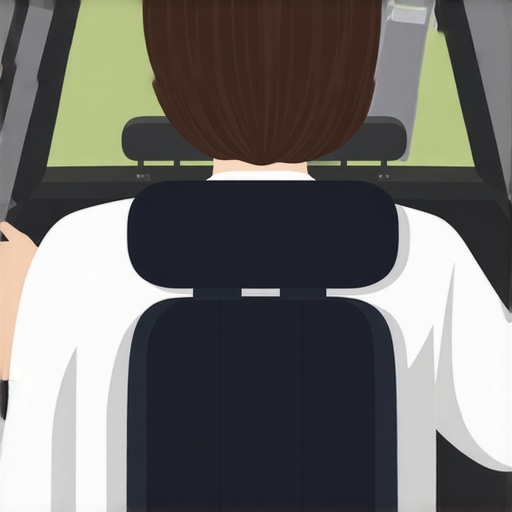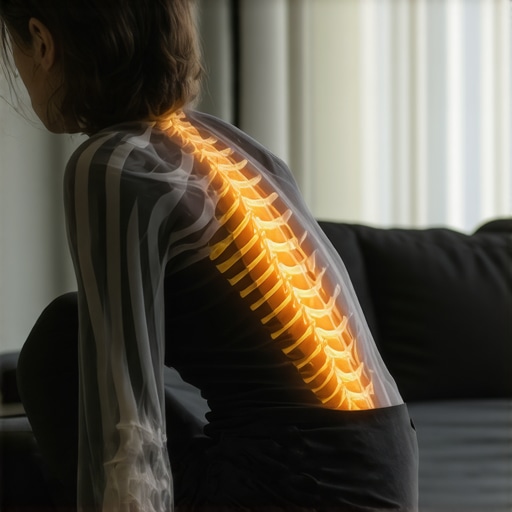
The couch-surfing posture that is ruining your discs
I remember the exact moment I realized my beloved couch had become a silent enemy. Sitting there, laptop balanced on my knees, I felt that unsettling numbness creeping into my neck and back — a dull ache that refused to go away. It hit me like a ton of bricks: my daily habits, especially this leaning-forward, slouched posture, were gradually destroying my spinal discs. That lightbulb moment pushed me to ask, “Is my favorite lounging spot secretly sabotaging my health?” This realization opened my eyes to a simple truth: how we sit, especially in our most comfortable spaces, can have a profound impact on our mobility and overall well-being.
Why Your Couch Might Be the Worst Posture Trap Ever
The truth is, many of us underestimate the damage caused by prolonged sitting in poor postures. When I first dug into the research, I uncovered a startling fact: sustained slouching can increase disc pressure by up to 40%, especially in the cervical and lumbar regions, leading to chronic pain and even disc degeneration over time. It’s a sneaky culprit, disguising itself as relaxation while insidiously chipping away at our spinal health.
But why does this happen? Our bodies weren’t built for hours of hunching over our phones or slumping on the couch. Instead, they thrive on proper alignment and movement. Over the years, I made countless mistakes, like neglecting breaks or ignoring my body’s signals, which only worsened my condition. That’s why I want to share what I’ve learned from personal experience and top chiropractors, so you don’t have to go through the same trial and error.
If you’ve ever felt that nagging discomfort after binge-watching your favorite series or realized your neck refuses to turn freely, you’re not alone. These signals are your body’s way of telling you something’s off. Check out the comprehensive guide on [neck pain relief](https://quackersspinal.com/unlocking-neck-pain-relief-expert-tips-for-lasting-comfort) to understand how poor posture feeds into pain cycles.
So, what’s the fix? In the upcoming sections, I’ll walk you through practical, easy-to-incorporate steps that will help you counteract the damage and regain control over your spinal health. Stay tuned — because your back deserves better than just good intentions.
Practice Proper Sitting Habits Immediately
When I first decided to fix my posture, I started by setting a timer to remind myself to sit upright every 30 minutes. This micro-adjustment prevented me from sinking into a slouch again. To do this effectively, sit with your hips all the way back in your chair, and keep your feet flat on the floor. Use a lumbar roll or rolled-up towel at the curve of your lower back for extra support. Remember, consistency is key; small, frequent corrections beat sporadic intense efforts. Your goal is to train your body to prefer this healthier position naturally. Learn more about optimal office setup here.
Adjust Your Workspace for Better Posture
Next, I tackled my desk ergonomics by raising my monitor to eye level using books. A mismatched screen height causes me to crane my neck forward, increasing strain. By aligning the top of my screen with my eye level, I kept my neck in a neutral position during long work sessions. Also, I used an external keyboard and mouse to avoid reaching forward, which can create additional shoulder tension. It took me an afternoon to reorganize my space, but the difference in comfort was immediate. For a comprehensive guide on setup, visit this resource.
Incorporate Periodic Movement Breaks
I started doing a quick set of stretches every hour—especially targeting my neck and back. For example, the seated spinal twist helped loosen tight muscles and improve circulation. To do this, sit upright, rotate your torso slowly to one side, hold for 15 seconds, then switch. This movement acts like a reset button for your spinal discs, reducing stiffness and preventing long-term compression. I also added in gentle neck stretches, like tilting my head toward each shoulder, to release accumulated tension. Regular activity keeps your joints lubricated and your muscles adaptable. You can explore effective techniques in this guide.
Strengthen Your Core to Support Spinal Alignment
One of the most transformative steps I took was adding core exercises into my routine. A weak core can leave your lumbar spine vulnerable to slouching, even when you’re consciously trying to sit upright. I began with the bird-dog exercise, which is like balancing a tray on your back—maintaining stability while moving limbs. At first, I wobbled and lost focus, but after a few days of persistent effort, my back felt sturdier, and my posture improved naturally. Strengthening your core doesn’t have to be complicated; regular practice yields significant benefits. For detailed instructions, check out this resource.
Embrace Daily Spinal Mobility Movements
Finally, I adopted a daily routine of gentle spinal movements, like the cat-cow stretch. These movements increase flexibility and decompress the discs, much like a gentle massage for your spine. I dedicate just five minutes each morning to perform these, moving through each posture slowly and mindfully. This habit helped me stay limber and reduced episodes of acute discomfort. It’s akin to oiling a squeaky hinge—regular lubrication keeps everything moving smoothly. For a step-by-step routine, review this guide.
Implementing these habits may seem straightforward, but their cumulative effect is profound. Every small adjustment reinforces healthy spinal mechanics and fosters long-term mobility. Stay consistent, listen to your body, and remember: your back is worth the effort.
Many assume that visiting a chiropractor is primarily about quick fixes or instant relief, but the truth runs much deeper. Contrary to popular belief, chiropractic care isn’t just about cracking joints or alleviating immediate pain; it involves understanding the nuanced relationship between spinal alignment, mobility, and overall health. A common myth is that spinal adjustments alone can permanently fix back or neck pain. However, research indicates that without addressing lifestyle habits and movement patterns, symptoms often reoccur. For example, a 2018 study published in the Journal of Manipulative and Physiological Therapeutics emphasizes that multimodal approaches—including posture correction, strengthening exercises, and ergonomic adjustments—yield better long-term outcomes.
Why do many patients still struggle with persistent pain despite regular chiropractic visits?
Because they overlook the crucial role of habitual movement and daily posture choices. Relying solely on adjustments without modifying foundational behaviors is like painting a house without fixing the leaky roof—it may look better temporarily, but underlying issues persist. This oversight often leads to a cycle of temporary relief followed by recurrence, making it seem like chiropractic is ineffective when, in fact, the problem lies in incomplete treatment strategies. To truly harness the benefits of chiropractic care, integrating personalized movement therapy and ergonomic education is essential. This approach aligns with insights from top experts, who advocate for a holistic view of spinal health.
Another misconception is that neck or back pain is exclusively musculoskeletal, ignoring the neurological or systemic factors that influence pain and mobility. Often, you might be told, “It’s just a muscle strain,” but hidden links between nerve function, posture, and even emotional stress significantly impact recovery. For instance, chronic tension in the neck can be linked to unresolved spinal misalignments affecting nerve pathways, which can be addressed through targeted chiropractic adjustments combined with lifestyle modifications. For a deeper understanding, review the comprehensive insights at this resource.
Common mistakes also involve neglecting the importance of strengthening supporting muscles. Many patients focus solely on pain relief, but without reinforcing the core, stability diminishes, and the spine reverts to poor alignment. This is why experts emphasize the significance of integrated programs that incorporate mobility, flexibility, and core strengthening. Remember, a spine that’s well-supported is less prone to injury and degeneration over time.
Are you guilty of overlooking these deeper nuances? Stay mindful of these misconceptions and consider consulting a practitioner who emphasizes a comprehensive, patient-centered approach. Curious about advanced strategies for lasting relief? Dive into this detailed guide for expert tips that go beyond the superficial. Your back’s health depends on understanding the full picture—so don’t settle for quick fixes; aim for sustainable solutions that restore genuine mobility and comfort. Have you ever fallen into this trap? Let me know in the comments.Achieving better neck and back mobility isn’t a one-time effort; it’s an ongoing journey that requires the right tools, consistent maintenance, and a proactive mindset. Over the years, I’ve discovered several equipment and methods that have truly helped me sustain my improvements and even scale my progress further. In this post, I’ll share what works for me personally, why I rely on these tools, and where I see this trend heading in the future.
Investing in Quality Support Devices
For lasting relief, I highly recommend incorporating supportive equipment like lumbar rolls and ergonomic chairs into your daily routine. My favorite lumbar support is the *mushroom-shaped foam roll*, which I place at the small of my back when sitting for extended periods. This simple tool reminds my muscles and discs to maintain proper alignment, reducing strain. I personally use the *Everlasting Comfort Lumbar Pillow* — it’s adjustable, breathable, and maintains its shape over time. When sitting at my desk, I ensure my chair’s height and angle encourage good posture, which is crucial for long-term health.
Prioritizing Mobility and Strengthening Tools
Beyond passive support, active tools like resistance bands and stability balls are integral to my maintenance routine. Resistance bands are incredibly versatile; I use them for shoulder and core exercises that bolster spinal stability. Recently, I incorporated the *TheraBand CLX* system, which offers progressive resistance levels—all manageable and easy to store. Stability balls serve as dynamic seating options, engaging my core muscles throughout the day. These tools not only prevent deterioration but also promote resilience, allowing me to scale my mobility as I improve.
Embracing Technology for Better Outcomes
Technology has revolutionized how we monitor and improve spinal health. I rely on smartphone apps like *MobilityWOD* and *Stretching & Flexibility* to guide personalized routines and track progress. Virtual coaching programs also provide real-time feedback, ensuring I perform exercises correctly. For instance, I’ve recently started using *BearCX*—a digital platform specializing in chiropractic-based mobility training—which offers customized plans based on my specific needs. Data-driven approaches help me stay motivated and identify areas for improvement.

*Prompt:* A person performing a resistance band shoulder exercise in a home gym setup, with an ergonomic chair and foam lumbar roll nearby. Alt text: Person using resistance bands for shoulder stability to maintain spinal health. Title: Resistance Band Exercise for Spinal Support
Predicting Growth in Spinal Mobility Tools
Looking ahead, I believe smart technology and biomechanical analytics will become even more integrated into our routines. Wearable devices that monitor posture and muscle activation—like the *NeckMassager* or *PosturePro*—are gaining popularity and will likely become essential components of long-term care. These innovations can provide instant feedback, helping you make real-time adjustments and prevent setbacks.
How do I keep my spinal health sustainable over time?
Maintaining spinal health is a marathon, not a sprint. My best advice is to develop a personalized toolbox that combines passive supports, active exercises, and smart technology. Regularly evaluate and update your tools as your body adapts. Also, consider consulting a professional for tailored recommendations—this ensures your routine evolves with your progress. One advanced tip I encourage everyone to try is integrating *biofeedback devices* into your daily practice; they can train your muscles to relax and strengthen properly, making a significant difference in the long run. You can learn more about this approach in the comprehensive guide on [mobility mastery](https://quackersspinal.com/mobility-mastery-expert-tips-for-back-pain-prevention-and-recovery).
Lessons That Changed My Approach to Spinal Care
One of the most eye-opening lessons I learned is that quick fixes won’t lead to lasting mobility without addressing foundational habits. Real change comes from consistent lifestyle adjustments, not just periodic treatments. I also discovered the importance of listening to my body’s subtle cues; ignoring discomfort can cause minor issues to escalate into chronic problems. Another insight was recognizing the power of proactive movement—simple daily routines can prevent degeneration better than reactive fixes. Lastly, understanding that mindset influences physical health was a game-changer, highlighting how stress and habits intertwine in spinal health.
My Go-To Tools for Lasting Back and Neck Comfort
Over time, I’ve curated a toolkit that truly supports my journey toward better mobility. A high-quality lumbar cushion, like the Everlasting Comfort Lumbar Pillow, keeps my lower spine supported during long sitting sessions. Resistance bands from TheraBand help me strengthen my core, reinforcing spinal stability. I rely on apps like MobilityWOD for guided stretches tailored to my needs. Lastly, consulting comprehensive resources such as this guide keeps me informed and motivated. These tools, combined with consistent habits, have made a tangible difference in my spinal health.
Embrace Your Spine’s Potential and Take Action Today
Remember, your back’s health isn’t solely about choosing the right chiropractor but about cultivating daily habits that nurture and protect your mobility. Every small step—adjusting your workspace, incorporating movement breaks, strengthening your core—contributes to a more resilient spine. Don’t wait for pain to dictate your lifestyle; start making mindful choices now, and watch how your mobility blossoms. Your journey to a healthier back begins with you, so take that first step today. Have you tried any of these routines or tools? Share your experience below and let’s support each other in this mobility journey.