Why you should stop doing sit-ups if you have a bulging disc
I remember the exact moment it hit me—an almost unbearable sharp pain shooting down my lower back after trying to sit up quickly from the floor. It was as if I had finally crossed a line I never knew existed. For years, I’d been told that doing sit-ups was the best way to strengthen my core, but suddenly, every sit-up felt like a disaster waiting to happen, especially with my bulging disc lurking in the background. That realization was a lightbulb moment for me—and maybe it is for you too.
If you’re dealing with back issues or a bulging disc, you might have fallen into the trap of thinking that core exercises like sit-ups are your only path to better stability. But here’s the truth: traditional sit-ups can actually aggravate your condition instead of helping. The repetitive flexing motion directly compresses your discs, putting unnecessary strain on already vulnerable areas. It’s a mistake I made early on—pushing through painful workouts, thinking I just needed to strengthen my core harder. What I learned later is that some of the most common advice isn’t suitable for people with disc issues.
Today, I want to show you **why STOP doing sit-ups if you have a bulging disc** and what safer, more effective alternatives exist to regain your mobility and strength. This isn’t just based on theory; it’s rooted in my personal journey and years of learning from top chiropractors and movement specialists.
Reevaluating Core Exercises When You Have a Disc Bulge
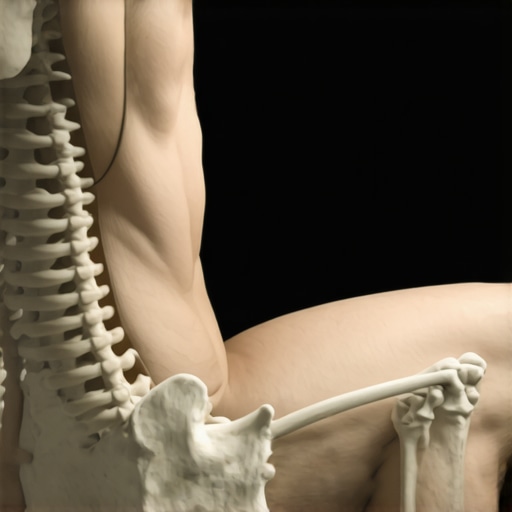
So, why exactly are sit-ups problematic for bulging discs? Well, every time you curl your spine forward during a sit-up, you increase the pressure inside your spinal discs. This increased pressure can push the bulge further out and delay recovery. As a result, many experienced chiropractors now advise steering clear of traditional crunches and sit-ups altogether. Instead, they recommend exercises that strengthen your core without putting your spine in vulnerable positions.
A common misconception is that core strength equals only six-pack abs. But your core is a complex network of muscles that support your spine—like your transverse abdominis and pelvic floor muscles. Activating these muscles properly through safe exercises can improve stability without risking further injury. Want to learn more about how chiropractic care can help improve your mobility and back health? You can explore strategies in this article.
Have you found yourself avoiding certain movements because they cause pain or discomfort? You’re not alone. Many individuals with disc issues feel scared to move or believe that minimizing activity is the best course. But the truth is, controlled, gentle movement is key—overdoing it in the wrong way, especially with traditional sit-ups, can set you back.
Next, we’re going to examine some specific exercises that actually help your back heal and strengthen safely. Let me guide you through options that will make you feel empowered—not cautious or afraid—on your journey to better movement and less pain.
Targeted Core Activation to Support Your Spine
Start by lying on your back with knees bent and feet flat on the floor. Engage your transverse abdominis—the deep abdominal muscle—by gently pulling your belly button inward, as if trying to button your jeans without moving your hips. Hold this contraction for 5 seconds, then release. Repeating this for 10 repetitions activates stabilizing muscles that protect your discs. I vividly recall practicing this during a quiet morning, initially feeling awkward, but soon noticing a subtle sense of support around my lower back, reducing pain during daily activities.
Implementing Gentle Stabilization Moves
Bird-Dog Exercise for Lower Back Stability
Begin on all fours, hands beneath shoulders and knees beneath hips. Extend your right arm forward and your left leg back, keeping your hips level. Hold for 3 seconds, then switch sides. Focus on slow, controlled movements to avoid strain. This move enhances spinal stability without excessive flexion, crucial for disc protection. I personally added this to my routine after reading about its benefits in this resource; the first attempts were shaky, but consistency brought noticeable improvements in pain and balance.
Pelvic Tilts to Mobilize and Reinforce
Lie on your back with knees bent at 90 degrees, feet flat. Gently flatten your lower back against the floor by tilting your pelvis upward, engaging your core. Hold for 5 seconds, then relax. Repeat 15 times. This motion helps unwind tight hip flexors and reduce compressive forces on discs. I found that incorporating pelvic tilts each morning alleviated stiffness and contributed to better daily posture, especially during long desk hours.
Progressive Movement without Overdoing It
As your strength improves, incorporate controlled movements like gentle bridges—lifting your hips off the ground while keeping your shoulders and feet planted. Focus on squeezing your glutes and engaging your core, ensuring your spine remains neutral. Start with 10 repetitions and gradually increase. Remember, the goal is to build support without causing pain or discomfort. Once, I overzealously added too many reps, leading to soreness; since then, I’ve learned patience and listening to my body are key. For a comprehensive plan, explore this article for more strategies.
Consistent Monitoring and Adjustment
Keep a daily log of your exercises and pain levels. Notice patterns—do certain movements feel better or worse? Adjust your routine accordingly, focusing on exercises that bolster your core without triggering discomfort. Over time, this personalized approach helps your back heal and regain strength. I overcame initial setbacks by starting slow and gradually increasing intensity, much like tuning a guitar—patience yields harmony. Regular check-ins with a chiropractor can provide valuable feedback; consider visiting this resource for expert guidance.Many assume that chiropractic care is solely about quick fixes like adjustments, but the real mastery lies in understanding the nuanced factors that influence neck and back health. A common myth is that chiropractors only realign bones; however, research shows that the success of treatment often depends on addressing soft tissue patterns and movement habits that many overlook. For instance, focusing exclusively on spinal adjustments without correcting muscular imbalances can lead to transient relief but persistent issues. It’s essential to recognize that comprehensive care involves combining adjustments with tailored exercises and posture correction strategies. An overlooked aspect is the influence of the nervous system, which can be impacted by chronic stress and inflammation—factors that slow recovery if neglected. Furthermore, a trap to avoid is the misconception that pain is always a sign of damage requiring aggressive intervention; sometimes, pain is a protective response that warrants gentle mobilization rather than a frantic pursuit of symptomatic relief. Studies, such as the one published in The Journal of Manual & Physiological Therapeutics, suggest that combining chiropractic adjustments with movement therapy yields superior outcomes than either approach alone. Advanced patients should ask: How do soft tissue health and neural factors interact to sustain or resolve chronic pain? Understanding this intricate interplay enhances not only recovery but also long-term prevention. To explore how chiropractic care can be integrated into a broader approach for mobility enhancement, visit this resource. Remember, tangible progress often happens when we look beyond the surface and address the deeper biomechanical and neurological nuances. Have you ever fallen into this trap? Let me know in the comments.Maintaining spinal health over the long term requires more than just exercise; it involves integrating the right tools and strategies into your routine. One of my personal favorites is a high-quality foam roller, which I use daily to release muscle tightness and improve mobility around my thoracic spine. The key is selecting a density that feels firm enough to target deep tissue but gentle enough to avoid aggravating sensitive areas. I found that a 36-inch, dense foam roller enhances my ability to perform self-myofascial release effectively, helping prevent stiffness and pain. Additionally, I incorporate a tennis ball for targeted trigger point therapy, especially around my shoulder blades and neck. Placing the ball against a wall or the floor allows me to access stubborn knots that often contribute to discomfort and restricted movement.
For maintaining proper posture during work and leisure, I rely on ergonomic accessories like adjustable monitor stands and lumbar support cushions. A sit-stand desk converter has been transformational, enabling me to switch positions frequently throughout the day, reducing strain on my neck and lower back. I also recommend a posture-crompting app that gently reminds you to adjust your seat or stand, reinforcing healthy habits without becoming intrusive.
The future of spinal maintenance seems geared toward smart technology. Wearable posture sensors are emerging that provide real-time feedback, helping you correct alignment proactively. As these devices become more affordable and accurate, I predict they’ll become essential tools for anyone committed to long-term spinal wellness.
How do I keep my neck and back in top shape over time? Consistency is crucial. I set aside five minutes daily for self-myofascial release, combined with ergonomic adjustments and mindful movement practices. Incorporating these tools into a routine rooted in science and personal experience has yielded lasting improvements in mobility and pain reduction.
Ready to upgrade your maintenance game? Try integrating a tennis ball for targeted trigger point therapy into your daily routine. It’s a simple yet effective step that empowers you to take control of your back and neck health, complementing professional care. For more tips on sustaining your mobility and avoiding setbacks, visit this resource and start making small, impactful changes today.
What I Wish I Knew Before Facing Disc Challenges
One of the biggest lessons I learned was that pushing through pain with traditional sit-ups only delayed my recovery and worsened my disc issues. The assumption that more core work equals better support is a myth that almost cost me dearly. Instead, I discovered that targeted, gentle activation of deep core muscles creates lasting stability without risking setbacks. Trusting the process and listening to my body replaced the false belief that intense workouts are always the answer.
Another insight was realizing how crucial soft tissue work, like foam rolling and trigger point therapy, became in my journey. It wasn’t just about exercises, but about creating environments where my spine could heal—removing restrictions and promoting proper movement patterns. Incorporating ergonomic tools and mindful posture consistently allowed me to maintain my progress long-term.
A final revelation was the importance of patience and personalized routines. Every back and neck condition is unique, and rigidly following generic advice often backfires. Instead, tailoring my movement and recovery plan—guided by professionals—delivered not just relief but empowerment and confidence in my mobility future.
My Essential Toolbox for Spinal Wellness
I’ve come to rely on a handful of resources that truly transformed my approach. Revitalize Your Mobility offers practical strategies rooted in science that I implement daily, from simple exercises to posture adjustments. The chiropractic care that emphasizes movement changed my understanding of correction—showing me that ongoing support and vertebral health go hand-in-hand. For insights on soft tissue work and keeping muscles healthy, I trust this resource, which explains effective techniques I use to relieve tension. Lastly, continuous learning via articles like this guide helps me stay ahead of pain triggers, reinforcing that knowledge is as vital as techniques in maintaining spinal health.
Your Path to Lasting Mobility Starts Today
Remember, the journey toward healthy, pain-free movement isn’t about quick fixes—it’s about consistent, mindful action. My experience has shown me that with the right tools, patience, and professional guidance, you can reclaim your mobility and prevent future setbacks. Whether you’re healing from an injury or simply aiming to maintain a resilient back, every small step counts. Don’t wait until pain strikes again—start nurturing your back today, and embrace the freedom of movement you deserve.