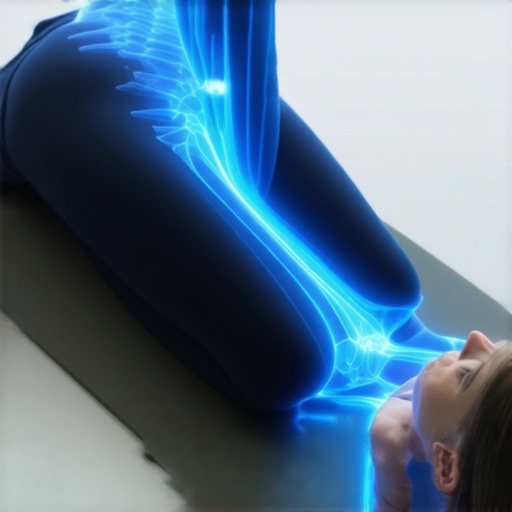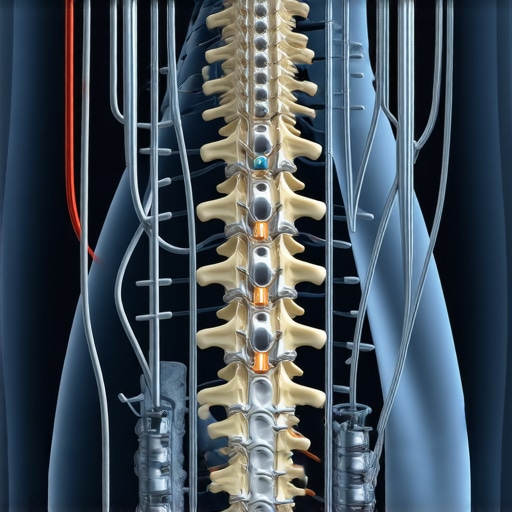
The ‘Glute Bridge’ Mistake That Strains the Spine
I’ll never forget the day I felt that sharp twinge in my lower back after performing what I thought was a simple glute bridge. You know, that popular exercise everyone swears by for strong hips and a better butt? Well, I was doing everything right—or so I thought until a moment of complacency turned into discomfort that lingered for days. That lightbulb moment revealed a harsh truth: even the most well-intentioned movements can backfire if done incorrectly.
Why a Small Technique Slip Can Hurt Your Back Big Time
Many of us dive into core exercises like the glute bridge eager to build strength, but without proper form, we risk straining our spines instead of protecting them. The key issue I overlooked early on was the way I engaged my hips and core at the same time. Instead of maintaining a neutral spine, I was unknowingly overextending my lower back, making the entire movement counterproductive. This mistake can lead to strained muscles, irritated discs, and even chronic pain if left unchecked.
Research shows that improper exercise form accounts for a significant number of back injuries, especially among those trying to rehab or strengthen without professional guidance. So, how can we avoid this common pitfall?
Are You Falling for the Hype of the Glute Bridge?
Honestly, I made the rookie mistake of assuming that performing more reps or adding resistance would automatically yield better results. Instead, I was generating stress on my spine, and my back paid the price. It’s tempting to chase after that perfect-looking exercise video or a quick fix, but real progress depends on executing movements correctly. And if you’re like me, you might need to pay close attention to the small cues in your form to prevent unnecessary strain. To learn how to do this safely and effectively, consider consulting with a professional or checking out expert tips like those found here. Persistent back issues are often rooted in these overlooked mistakes, but the good news is, with the right adjustments, you can avoid them entirely.
This sets the stage for the practical steps that will help you perfect your technique and protect your spine while strengthening your glutes. Ready to learn how to get it right the first time?
Align Your Foundation
Begin by lying on your back with knees bent and feet flat on the floor, hip-width apart. Place your arms alongside your body with palms facing down. Focus on engaging your core muscles to stabilize your pelvis from the start, similar to how a builder ensures a solid foundation before erecting a structure. During my first attempt, I neglected this step, which led to my lower back arching excessively and feeling strained. Ensuring your core activation is crucial—think of it as tightening the waistband of a belt to keep everything in place.
Engage and Lift
As you inhale, gently brace your abdominal muscles as if preparing for a light punch. Exhale slowly and press through your heels to lift your hips off the ground, aiming to create a straight line from shoulders to knees. Do not overextend your lower back at the top; instead, squeeze your glutes and imagine trying to hold a small coin between your cheek and shoulder. During my second attempt, I consciously activated my glutes and kept my pelvis tucked under, which prevented any arching and significantly reduced back discomfort.
Control the Descent
Lower your hips slowly and with control, maintaining engagement in your core and glutes. Think of this as slowly lowering a heavy object to avoid damage. Remember, rushing can cause your hips to sag and your back to compensate, risking injury. I caught myself rushing during practice and realized that a slow, deliberate movement not only protects my spine but also maximizes muscle engagement.
Refine Your Technique
Use a mirror or record yourself to check alignment. Your ears, shoulders, hips, and knees should form a straight line at the top—no hyperextension of the lumbar spine. Focus on small cues: squeezing your glutes tightly at the peak, keeping your ribs down, and ensuring your hips don’t tilt excessively. I added this step after experiencing lingering soreness, which turned out to be due to improper alignment. Regular self-assessment or professional feedback can prevent these issues from developing into chronic pain.
Incorporate Breathing Strategically
Breathe in naturally before initiating the lift, then exhale steadily as you push upwards. Think of your breath as a stabilizer, helping maintain intra-abdominal pressure, much like inflating a balloon inside your abdomen to support your spine. During my sessions, deliberate breathing helped me stay focused and maintain form, especially when fatigue set in.
Progress Without Compromise
Once comfortable with the basic movement, gradually increase resistance or repetitions, but never at the expense of form. Think of progressing like adding weight to a scale—slowly and carefully—ensuring your spine stays protected. If you feel any discomfort, especially in the lower back, pause and reassess your technique, or consult a chiropractor to fine-tune your approach. For ongoing issues or more personalized guidance, check out here.
Consistency is Key
Practicing proper form consistently trains your muscles and nervous system to perform movements safely. Over time, this reduces the risk of back pain and improves mobility. Remember, it’s better to do fewer reps with perfect form than numerous reps with poor technique that may cause injury.
By integrating these steps into your routine, you’ll nurture a resilient back and a stronger glute foundation, turning a potential movement mistake into a cornerstone of safe exercise. Focus on precision, control, and awareness—your spine will thank you.
Many individuals believe that back pain and neck discomfort stem solely from poor posture or injury, but the truth runs deeper than that. A common misconception is that these pains are always caused by structural issues that require immediate correction. However, emerging research suggests that chronic pain often involves complex neuromuscular processes, including proprioceptive dysfunction and central sensitization, which many overlook. For instance, a study published in the *Journal of Orthopaedic & Sports Physical Therapy* highlights that addressing only apparent musculoskeletal misalignments without considering nervous system sensitivities can lead to persistent pain cycles. This underscores the importance of a comprehensive approach that includes both structural and neurological factors.
One critical trap to avoid is assuming that pain relief is a matter of quick fixes like popping NSAIDs or relying solely on chiropractic adjustments. While these can provide temporary relief, they may not address the underlying causes. The danger lies in neglecting the importance of neuroplasticity—the brain’s and nervous system’s ability to rewire itself—which is vital for lasting recovery. An advanced mistake many make is overlooking the role of sensory input and motor control exercises tailored to retrain the nervous system, not just the muscles.
Why Do Some People Experience Recurrent Pain Despite Corrective Treatments?
This question reveals a layered reality that many advanced practitioners recognize. Recurrent back and neck pain often indicates maladaptive neural circuits that have become entrenched. Traditional treatments usually focus on mechanical correction, but without addressing the neurofunctional patterns, the same pain signals can re-emerge. Incorporating strategies such as proprioceptive training, sensory re-education, and mindful movement practices enhances the body’s ability to maintain optimal alignment and function. Consider exploring expert insights and tailored techniques by consulting reputable resources like those at here.
Another nuanced aspect is that pain perception can be influenced by emotional and psychological factors, adding another layer of complexity. Chronic pain patients often benefit from integrating cognitive-behavioral approaches, which help reframe the pain experience and reduce central sensitization. Recognizing these intertwined components prevents oversimplification and promotes a more effective, holistic treatment plan.
In sum, conventional wisdom often underestimates the intricacy of musculoskeletal pain by focusing solely on structure. To truly resolve recurrent issues, a nuanced understanding of neurophysiology and pain science is essential. So, the next time you seek relief, ask yourself: are you addressing only the symptoms, or are you tackling the root neurological factors? For a comprehensive assessment and personalized strategies, consider reaching out via contact us. Have you ever fallen into this trap? Let me know in the comments.
The Value of Consistent Maintenance and Proper Tools
Maintaining your back and neck health over the long haul requires a blend of disciplined routines and the right equipment. Personally, I’ve found that investing in specific tools can significantly enhance the effectiveness of my daily practices and prevent setbacks. These tools serve as extensions of proper technique, ensuring longevity and sustained mobility.
Investing in Quality Foam Rollers and Massage Balls
A durable foam roller with a firm yet forgiving surface allows me to perform my own myofascial release, targeting tight muscles that can compromise spinal health. I’ve personally experienced how regular use reduces muscle tension and improves flexibility. Look for rollers with textured surfaces to avoid slipping and to work out knots more effectively. Massage balls, especially harder lacrosse ball types, are invaluable for pinpointing trigger points around the neck, shoulders, and lower back.
Using Posture Supports Judiciously
While supports like lumbar rolls and posture correctors shouldn’t be a crutch, used correctly they help reinforce good habits during prolonged sitting. I use a lumbar support embedded in my office chair to maintain the natural curve of my lumbar spine throughout the day. Be cautious not to over-rely on them; instead, integrate their use with active mobility exercises. The goal is to build intrinsic strength, not depend on external aids indefinitely.
Leveraging Technology for Better Results
Modern apps and wearable devices can track posture and activity levels, providing real-time feedback. I personally rely on a posture coaching app to remind me to straighten my shoulders and keep my cervical spine aligned during long work sessions. These digital prompts serve as a gentle nudge, helping me develop better habits over time.
When choosing tools, prioritize ones that can be integrated into your daily routine seamlessly and that can be tailored to your specific needs. Regularly updating your setup as you progress ensures continued benefits.
Future Trends in Self-Maintenance
As technology advances, expect smarter, AI-driven devices that provide personalized feedback and adjust recommendations dynamically. Virtual reality rehabilitation systems, for example, are emerging as immersive options that can retrain neuromuscular patterns more effectively. Investing in these innovations now may seem early, but starting with current tools—like effective massage devices and posture monitors—lays a strong foundation.
How do I maintain long-term mobility and pain-free movement?
One practical step is establishing a regular schedule of mobility exercises complemented by effective tools like foam rollers and posture supports. Incorporate gentle stretching, targeted muscle release, and ergonomic adjustments into your daily routine. Remember, consistency trumps intensity—slow, steady, and mindful practices will preserve your spinal health. If you’re unsure how to craft your maintenance plan, consider consulting a professional. You can reach out here for personalized guidance or explore expert tips on maintaining your mobility here.
Try integrating a high-quality foam roller into your weekly routine and notice the difference in muscle tension and flexibility over time. Stay proactive, and your back and neck will thank you for it.

Throughout my journey with back pain and mobility enhancement, I’ve uncovered some rarely discussed truths that transformed my approach beyond basic techniques. One of the most profound lessons was realizing that the smallest misalignment or overlooked detail could negate weeks of effort. I learned that flawless form isn’t just about technique—it’s about cultivating an intuitive awareness of my body’s subtle signals. This awareness helped me avoid setbacks I previously faced, emphasizing that progress in spinal health is as much mental as it is physical.
Another insight was understanding that true mobility isn’t achieved solely through exercises—it’s cultivated by integrating proactive habits into daily life. Small adjustments, like mindful breathing or conscious posture corrections during routine activities, compounded over time into significant improvements. It dawned on me that patience and consistency, paired with genuine attentiveness, are the backbone of lasting change. These lessons underscore that the path to a resilient back and enhanced mobility is uniquely personal and demands a mindful, ongoing commitment.
Lastly, I discovered that collaborative guidance—whether from professionals or well-curated resources—accelerates progress. Learning to listen to my body and seek expert advice, like those found here, made the journey more effective and fulfilling. Remember, your health journey is a personalized story, and embracing these deeper lessons can unlock breakthroughs you might not find in generic routines. Were there moments when a tiny detail changed everything for you? Share your story below—I’d love to hear!