Have you ever experienced that moment when you turn your head just a little too quickly and suddenly feel a sharp pain or stiffness that slows you down for days? I remember the exact feeling — frustration bubbling up because I knew I needed relief fast but wasn’t sure where to start. It’s a common plight, and honestly, it can make even the simplest tasks feel like daunting challenges. But here’s the thing — I’ve learned some game-changing chiropractic tips that helped me restore my neck and back mobility quickly, and I want to share them with you.
Why Restoring Mobility Matters Right Now
Let’s face it, in today’s fast-paced world, being limited by neck or back pain isn’t just uncomfortable — it can seriously affect your daily life, your productivity, and your mood. Whether it’s from poor posture, a sudden twist, or lingering tension, the inability to move freely can turn small inconveniences into major frustrations. And here’s a surprising fact: according to the American Chiropractic Association, nearly 80% of adults experience back pain at some point, and many of those episodes could be eased significantly with proper chiropractic care. That’s why knowing effective tips isn’t just helpful — it’s essential.
Early in my journey, I made the mistake of ignoring minor discomfort, thinking it would go away on its own. Spoiler alert: it didn’t. Instead, it worsened, leading to more limited movement and increased pain. That wake-up call pushed me to seek out trusted chiropractic strategies. Since then, I’ve discovered some simple, proven techniques that can dramatically improve your mobility in no time.
Is Quick Fixing Neck and Back Mobility Really Possible?
It’s natural to be skeptical, especially if you’ve tried everything without success. I remember feeling the same way. But let me tell you — the right chiropractic methods can produce fast results. The key is understanding what works and what doesn’t. For example, some people jump into aggressive stretching without proper guidance, which can actually worsen the problem. Instead, gentle, targeted chiropractic adjustments and specific mobility exercises can unlock progress quickly and safely. If you’re curious about how to implement these strategies, I’ll guide you through some of the most effective ones in the next sections. And if you’re ready to take the first step toward relief, don’t hesitate to reach out to a trusted chiropractor — you can find more insights here: relieve neck and back discomfort using expert methods.
Target the Source of the Pain
When I first tried to fix my neck stiffness, I realized pinpointing the problem was crucial. Imagine your spine as a complex highway system; identifying the specific bottleneck or blockage helps you plan effective repairs. Start by gently assessing your pain points—are they localized or diffuse? If localized, focus on targeted adjustments. For example, I noticed my upper cervical area was tight, so I concentrated on gentle, specific manipulations in that region. This approach is much like a mechanic inspecting a particular engine part before applying a fix — precise action yields faster results. To get professional guidance, consider consulting a trusted chiropractor like those at our contact page for personalized therapy plans.
Implement Gentle Mobilization Exercises
Once the source is identified, moving on to controlled exercises can accelerate recovery. Think of your joints as hinges on a door—if kept still for too long, they get stiff and squeaky. I started with simple neck rotations and slow tilts, similar to turning a steering wheel gently to loosen it. These movements encourage blood flow and lubricate joints, helping them regain their natural glide. An effective routine involves 10 repetitions of gentle side-to-side neck tilts and circular head turns, performed twice daily. Never force a stretch; instead, listen to your body’s signals. For detailed routines, check out step-by-step guides on safe mobility exercises.
Apply Chiropractic Adjustments Responsively
Chiropractic adjustments are about restoring proper alignment and releasing trapped nerves. Picture a crooked picture frame—straightening it makes everything look better. During my first adjustment, the chiropractor used small, controlled movements to realign my cervical vertebrae. The key is precision—aggressive cracking can cause more harm than good. Instead, trust a professional who understands the nuances of spinal biomechanics. Regular, responsive adjustments can make a dramatic difference in mobility. If you want to explore this further, see techniques unveiled by seasoned chiropractors.
Incorporate Posture and Ergonomic Changes
Beyond active treatments, modifying your daily habits reinforces progress. Think of your posture as the foundation of a building; a poor foundation leads to instability. I started paying attention to my workstation—raising my monitor to eye level, using an ergonomic chair, and taking regular breaks. These adjustments prevent future strain and support recovery. Remember, consistency is key. Small changes like avoiding prolonged phone use in a downward gaze position can have a significant impact. For a comprehensive approach, visit enhance mobility naturally for practical tips.
Maintain a Routine and Seek Professional Support
Finally, establishing a routine keeps your improvements on track. I set reminders to perform mobility exercises and schedule periodic chiropractor visits. Think of this as tuning your car regularly to keep it running smoothly. If pain persists or worsens, don’t hesitate to seek professional help. A trusted chiropractor can provide tailored adjustments and advice, ensuring a safe and rapid recovery. Learn more about effective care at expert methods. Remember, consistency and professional support are your best allies in regaining full mobility quickly.
Many people believe that quick relief for neck and back pain comes from aggressive stretching or instant chiropractic adjustments. While these may sometimes offer temporary comfort, relying solely on these methods can actually hinder your recovery process. In my experience, a nuanced approach that considers underlying issues and avoids common pitfalls makes all the difference in achieving lasting mobility.
Why the Popular Belief in Quick Fixes is Misleading
The myth that you can instantly fix neck and back stiffness with a single stretch or adjustment is widespread. This misconception often leads individuals to push too hard or seek out aggressive treatments without proper assessment. In reality, the body’s spinal health requires a balanced, step-by-step strategy. Overdoing quick-fix techniques can aggravate inflammation or misalignments, causing more harm than good. For sustainable results, it’s better to combine gentle mobilization exercises with professional guidance—something you can explore further at our step-by-step guide.
The Oops Factor: Overstretching and Its Risks
One common trap is to assume that more stretching equals faster healing. However, overstretching can stretch or tear tissues that are already inflamed or strained, prolonging recovery and increasing pain. It’s crucial to listen to your body and avoid forcing movements beyond comfort. Instead, focus on controlled, gentle movements to encourage blood flow and joint lubrication. This approach aligns with the latest research supporting gradual mobilization, as noted in studies published in the Journal of Orthopaedic & Sports Physical Therapy.
What Advanced Practitioners Know About Spinal Nuances
For those seeking deeper understanding, consider this: the spine is a complex structure with interconnected joints, muscles, and nerves. Small misalignments can cause significant pain, but correcting them requires precise adjustments—not brute force. Many amateurs attempt to self-adjust or rely on online tutorials, which can be risky. Instead, consulting a professional ensures that manipulations are safe, targeted, and effective. If you’re interested in mastering these techniques, check out our detailed insights on chiropractic adjustments.
Remember, the goal isn’t just immediate relief but building a resilient, healthy spine that moves freely over the long term. Have you ever fallen into this trap? Let me know in the comments!
Keeping your spine healthy and mobile over the long term requires more than just occasional adjustments or exercises. It involves investing in the right tools and establishing routines that support ongoing wellness. In my experience, integrating specific equipment and methods has made a significant difference in maintaining results and scaling recovery efforts effectively.
Why I Trust My Personal Mobility Routine
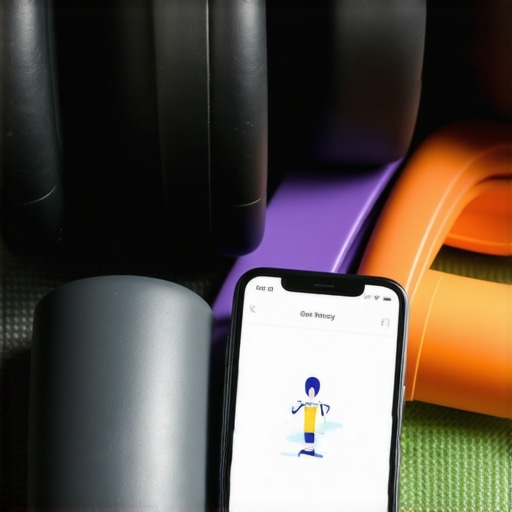
One of the most reliable tools I’ve incorporated is a high-quality foam roller. Unlike generic rollers, I prefer a dense, 36-inch foam roller with a smooth surface. This allows me to perform my own myofascial release exercises targeting tight muscles around the neck and back. Regular use helps prevent muscle knots that can pull the spine out of alignment and cause recurring pain. I also keep a set of resistance bands specifically designed for gentle stretching and strengthening of my upper back and neck muscles. These bands are lightweight, portable, and adjustable, making them perfect for quick daily routines that reinforce the work done during professional treatments.
Technology That Keeps Me Moving
Beyond physical tools, I rely on certain software applications to track my mobility progress. Apps like MySpineTrack and PhysioTools help me log daily exercises, monitor pain levels, and set personalized reminders. These digital tools are invaluable for maintaining accountability and adjusting routines as my body changes. I predict that in the future, AI-driven apps will become even more sophisticated, offering real-time biomechanical feedback and tailored exercise plans based on sensor data from wearable devices.
How do I maintain spinal health over time?
The key is consistency and professional guidance. I schedule regular chiropractic checkups, usually every few months, to ensure my spine stays aligned and to catch any issues early. Additionally, I make ergonomic adjustments to my workspace—using an adjustable standing desk, ergonomic chair, and monitor risers. These modifications serve as ongoing preventive measures, reducing strain and supporting mobility day-to-day. Remember, no single tool or routine can do all the work; combining professional care with personal equipment and consistent habits yields the best long-term results.
What about scaling your efforts?
If you’re looking to expand your maintenance strategy, consider investing in a portable traction device. These devices gently decompress the spine, alleviating pressure and encouraging natural alignment. I personally use a cervical traction device for 10-minute sessions in the evenings. As your body adapts, you can increase session duration or incorporate more advanced mobility tools like TENS units for muscle stimulation. The future of spinal health lies in personalized, scalable solutions that adapt to your evolving needs, potentially integrated with smart home systems for seamless care.
Remember, the best approach is to combine these tools with expert guidance. If you’re ready to take your spinal mobility to the next level, I highly recommend trying a professional-grade foam roller and exploring apps that help you stay on track. For tailored advice or to schedule a checkup, don’t hesitate to reach out to a trusted chiropractor — you can find more insights at our contact page.
Throughout my journey with neck and back pain, I’ve uncovered some insider lessons that changed my perspective and outcomes. These aren’t your typical tips; they’re the hard-earned insights that come from real experience and professional guidance. Here are a few of the most valuable lessons I wish I knew sooner:
- Patience Trumps Aggression: Trying to force movement or instant fixes often backfires. Gentle, consistent mobilization is the key to long-lasting relief. Rushing only prolongs discomfort and risks injury.
- Targeted Care Beats General Stretching: Understanding the specific source of pain — whether it’s a misaligned vertebra or tight muscles — allows for precise adjustments that produce dramatic improvements faster than generic stretches.
- Listening Is Your Best Tool: Your body is smarter than you think. Learning to recognize when a movement is helpful versus harmful is crucial. Trust your instincts and consult professionals when in doubt.
- Small Changes Lead to Big Results: Simple ergonomic adjustments, like elevating your monitor or changing your chair, may seem minor but have profound impacts on long-term mobility and pain reduction.
In my experience, combining these lessons with professional chiropractic support accelerates recovery and builds resilience. If you’re eager to learn more about effective strategies, I highly recommend exploring expert methods for neck and back relief. Remember, lasting mobility isn’t about quick fixes — it’s about smart, consistent effort and trusting the process.