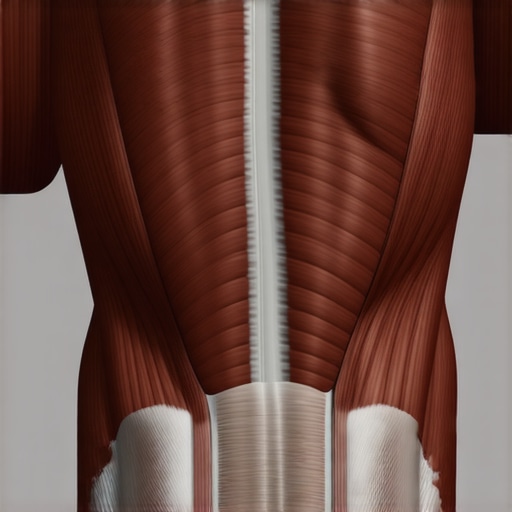
The simple trick to keep your spine neutral while washing dishes
I still remember the moment vividly—spilling that tiny bit of dish soap on my shirt and leaning over the sink in frustration, only to feel that familiar tug in my neck and a dull ache creeping into my back. It hit me then: all those years spent bending forward without any awareness were taking a toll. If you’ve ever caught yourself hunching over the sink or struggling to finish chores without discomfort, you’re not alone. In fact, poor posture during routine tasks like dishwashing is one of the most overlooked culprits behind chronic neck and back pain.
Why Maintaining a Neutral Spine When Doing Dishes Is More Important Than You Think
Many of us dismiss postural habits during daily activities because we think they’re insignificant—just minor slips that don’t matter. But over time, these small deviations can compound, leading to persistent pain, decreased mobility, and even more serious issues that might require chiropractic attention. The good news? There’s a simple, yet powerful trick I discovered that can help you maintain that crucial neutral spine position, reducing strain and preventing discomfort.
What’s truly eye-opening is how easy it is to implement this with just a slight adjustment in your routine. Staying mindful of your spinal alignment while washing dishes doesn’t demand complicated equipment or superhuman discipline—just a conscious effort and a few practical tips. Keep reading, and I’ll walk you through this game-changer that transformed my daily chores into pain-free experiences.
Does That Long Dishwashing Session Actually Wreck Your Neck?
I used to believe it was just aging or bad luck, but early on I made a mistake—ignoring my posture altogether. I thought that leaning forward was unavoidable, convincing myself that my discomfort was just part of life. That was until I read a study mentioning that repetitive poor postural habits can lead to chronic pain conditions, sometimes as quickly as within a few weeks [source: https://quackersspinal.com/understanding-back-pain-a-guide-to-better-posture-and-mobility]. Recognizing this was a wake-up call to me. If I wanted to enjoy my daily routine without risking long-term damage, I had to change the way I approached even the simplest tasks.
Now, let’s explore the straightforward method I adopted that can help you avoid the same pitfalls and keep your spine just as happy as your hands deserve to be during chores.
Adjust Your Workspace and Body Position
First, position yourself so your work area is at waist level. When washing dishes, place your sink at a comfortable height, or use a sturdy stool to elevate yourself slightly. This prevents you from leaning forward excessively, which strains your neck and back. I remember one time I stacked a few sturdy books under my sink to raise it, allowing me to stand upright comfortably. The result was an immediate decrease in discomfort and a more natural spine alignment.
Keep Your Head in Line
Imagine your head as a bowling ball balanced on a straight line stacking down through your spine. To maintain this, tuck your chin slightly and keep your ears aligned over your shoulders. Practice this by consciously checking your posture before starting chores. Over several days, this becomes second nature, making your routine pain-free.
Engage Your Core Muscles
Your core acts as the foundation for your spine. Before you lean into a task, tighten your abdominal muscles gently—think of drawing your belly button toward your spine. This stabilization helps hold your pelvis in a neutral position, reducing strain on your back. I tried this during a lengthy dishwashing session; at first, it felt awkward, but soon I noticed less fatigue and discomfort, highlighting how core engagement supports spinal health.
Use Proper Arm and Hand Motions
When reaching for utensils or soap, keep your elbows close to your body and move them smoothly rather than stretching forcefully. Think of your arms as puppet strings—you want controlled, fluid motion. I once stretched too far to reach a sponge, triggering a quick jolt of neck pain. After that, I adjusted my stance and used short, deliberate movements, which significantly reduced the risk of injury.
Alternate Tasks to Reduce Strain
If you’re doing repetitive motions, switch positions or tasks frequently. For example, alternate washing dishes with soaking or drying. This changes muscle engagement and prevents prolonged static postures that contribute to pain. Remember, variation is key—much like changing gears while cycling to avoid overexertion.
Incorporate Micro Movements
Break longer chores into small segments, taking brief pauses to stretch or reset your posture. This ‘micro-movement’ approach prevents stiffness and encourages blood flow. During mine, I would pause every 10 minutes, perform gentle neck rolls and shoulder shrugs, which kept my muscles relaxed and minimized discomfort.
Reinforce with Regular Mobility Exercises
Finally, dedicate a few minutes daily to mobility drills like neck rotations, cat-cow stretches, or spine twists. These exercises maintain joint health and flexibility, counteracting the effects of static postures. I started doing such routines after experiencing mild tension, and over time, my overall comfort during chores improved drastically. For a comprehensive plan, check out this chiropractic strategies to improve mobility.
When it comes to addressing neck and back pain, many assume that a quick fix or popular advice will do the trick. However, this oversimplification often leads us astray, and understanding the nuanced realities can make all the difference in effective treatment. Contrary to common belief, not all pain originates from the area where it’s felt; for instance, issues with the feet can influence spinal health significantly, as explained in expert discussions on the hidden link between neck pain and spinal health. Moreover, many are misled by the myth that chiropractic adjustments provide only temporary relief, when in fact, they can promote lasting improvements when combined with proper mobility practices, detailed in effective neck pain management.
A common trap is focusing solely on symptom-targeting treatments without addressing underlying postural or biomechanical factors. For example, people often think stretching is universally beneficial, but for some, aggressive stretching during a flare-up can worsen inflammation—an advanced mistake discussed in why stretching a flared-up back often makes it worse. Recognizing these subtleties, particularly how static postures and repetitive movements compound problems, is crucial for long-term relief.
Another advanced nuance is the importance of spinal mobility beyond simple flexibility. It’s not just about stretching tight muscles but enhancing joint capacity to move freely without pain. As highlighted in mobility mastery expert tips,Integrating specific mobility drills can prevent stiffness that inadvertently causes nerve compression or muscular imbalance.
The biggest oversight? Many don’t realize that chronic pain often stems from altered neurological signaling due to poor movement patterns, not just structural issues. This insight has been supported by recent research showing the brain’s role in persistent pain syndromes, emphasizing a biopsychosocial approach, as discussed in understanding back pain. It all boils down to the fact that effective management requires a holistic view—addressing posture, movement, and even habits like footwear and sleeping positions.
For those seeking comprehensive strategies, it’s wise to collaborate with a specialist who understands these complexities—consider connecting with experienced chiropractors via our contact page. Remember, superficial treatments rarely sustain long-term relief; uncovering and working with the body’s interconnected systems is the true path toward lasting health.
Have you ever fallen into this trap of oversimplification? Let me know in the comments and share your experiences with nuanced approaches that made a difference in your journey.
Keeping It Working: Essential Tools and Methods for Long-Term Spinal Care
Maintaining your spinal health over time requires more than occasional stretches or chiropractic visits; it involves employing effective tools and consistent strategies that support mobility and prevent setbacks. One of my go-to tools is a high-quality foam roller, specifically the deep tissue version I use daily. It helps me release tension in my thoracic and lumbar muscles, which can become tight from prolonged sitting or repetitive movements. I personally find that incorporating a foam roller into my daily routine enhances my flexibility and reduces stiffness, directly translating into more comfortable daily function.
Additionally, I rely heavily on mobility apps that guide me through targeted exercises. An app I recommend is ‘MobilityWOD’ by Dr. Kelly Starrett—it’s packed with discipline-specific routines that promote joint health and restore range of motion. I’ve found that daily short sessions, just 10-15 minutes, sustained over months, significantly improve my posture and reduce flare-ups. The key is consistency; these digital tools make it easy to stay accountable and track progress.
In terms of long-term results, I focus on integrating strength training with mobility work. Resistance bands, particularly linked to my physical therapy routines, enable me to strengthen stabilizing muscles that support my spine. I do these exercises at home, which saves time and ensures adherence. I predict that, as technology advances, we’ll see even smarter devices—like wearable sensors—that give real-time feedback on posture and movement, making self-maintenance more effective and accessible.
How do I maintain my mobility and spinal health as I age?
Maintaining mobility over the years involves a proactive approach: consistent exercise, periodic reevaluation of my routines, and investing in tools that promote proper movement. Visiting a professional periodically for assessments helps identify emerging issues early, allowing targeted interventions. I also recommend consulting with a chiropractor experienced in long-term spinal care; they can offer tailored adjustments and advice. For more comprehensive insights, explore mobility mastery expert tips.
Remember, durability comes from routine, not occasional effort. Start with an easy addition—like using a foam roller after your workouts—and observe how your body responds. Over time, these small steps compound into a resilient, pain-free backbone that keeps you active and healthy for the years ahead. To ensure your routines stick, consider digitizing your plan and tracking your progress with apps designed for spinal wellness.
In my experience, a critical aspect of maintaining long-term spinal health is listening to your body. If you notice persistent tightness or discomfort, don’t ignore it—address it early with targeted tools and seek professional guidance when needed. For personalized advice or to discuss your specific needs, reach out to a specialist through their contact page. Incorporating these proactive strategies ensures that your spine remains a workhorse, supporting your active lifestyle for decades to come.
Over the years, I’ve learned that true progress in spinal health often comes from unanticipated insights. One revelation was realizing that my habitual neglect of subtle postural cues was silently sabotaging my comfort, especially during everyday chores. Recognizing this shifted my entire mindset—from merely treating pain to fostering proactive habits that support long-term well-being. Another lesson I wish I embraced earlier is the importance of integrating mobility-driven routines into daily life, not just as a remedy but as a preventive shield. This mindset empowered me to see routine movements as opportunities for reinforcement, rather than fleeting tasks to rush through. Lastly, I discovered that patience and consistency outperform quick fixes—consistent, mindful adjustments yield lasting change, whereas fleeting attention leads to regression. Embracing these lessons transformed my outlook and provided me with tools to sustain spinal health amidst life’s inevitable challenges.