The secret to side-sleeping without hip or shoulder pain
Ever woken up after a night of peaceful sleep only to be greeted by a throbbing shoulder or a stiff hip that makes even simple movements painful? I used to think that sleeping on my side was the only way, but every morning felt like a battle with soreness and discomfort. One night, after tossing and turning in frustration, I had a lightbulb moment. I realized that my sleep position and habits were sabotaging my body’s rest and recovery, especially around my hips and shoulders.
The Lowered Expectations of Side-Sleeping
Like many, I believed that sleeping on my side was the healthiest, especially for preventing back pain. But I overlooked the importance of how I supported those crucial joints. I’d wake up feeling worse, and I started questioning if there was a better way. That’s when I committed to uncovering the real secret behind pain-free side-sleeping, and I want to share what I found with you.
Is Comfortable Side-Sleeping an Unrealistic Dream?
Many people dismiss this goal, thinking pain-free sleep is a fantasy, especially if they’ve endured chronic discomfort. Early on, I made the mistake of neglecting proper pillow support and ignoring my body’s signals. Trust me, I’ve been there—believing that pain was just part of the deal. But with a few simple adjustments, I cracked the code and found lasting relief. Want to learn how you can do the same? Stick with me. This guide offers expert tips for enhancing mobility and relief.
Let’s explore why most approaches fall short and what you can do differently to wake up refreshed and pain-free. Are you ready to discover the secrets that transform your sleep and your joint health? Because I’ve got a plan that works, backed by real experience and solid science.
,
Align Your Pillows for Support and Comfort
Start by selecting a firm pillow that maintains your neck’s natural curve. When I first tried this, I noticed my neck felt less strained throughout the night. Position the pillow so that your head isn’t tilted sharply upward or downward, similar to how a well-designed ergonomic chair supports your spine. Use a small pillow or a rolled towel between your knees to keep your hips aligned, reducing pressure on the joints. This small adjustment mimics the natural alignment your body needs during rest—think of it as giving your body a supportive cradle that promotes proper posture even during sleep.
Incorporate Supportive Mattress and Sleep Surface Adjustments
Your mattress plays a crucial role. A mattress that’s too soft or too hard can disrupt your spinal alignment, leading to soreness. I remember upgrading my mattress to a medium-firm surface, which improved my sleep quality dramatically. Consider a mattress that contours to your body’s curves without sagging—similar to how a good shoe molds to your foot. Additionally, avoid sleeping directly on your arm; instead, position your arm so that it doesn’t compress nerves or restrict blood flow. Think of your arm as a highway—free-flowing traffic keeps things comfortable and pain-free.
Practice Gentle Mobility Exercises Before Bed
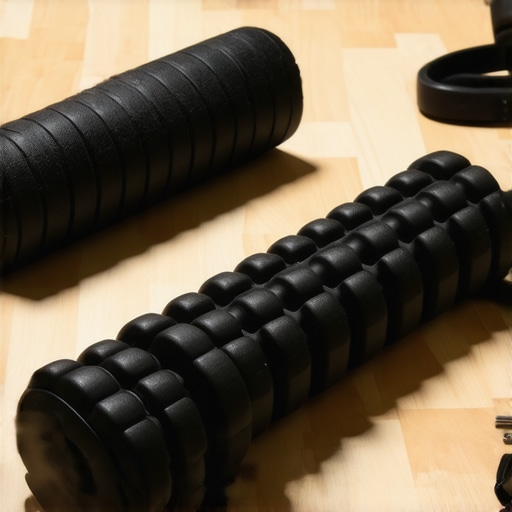
Engage in light stretching or mobility movements to loosen stiff muscles and joints. For example, gently rotate your shoulders in circles or perform a few neck tilts to the sides. I did this one night after a long day of sitting and felt my shoulders releasing tension, leading to a softer, less restless sleep. Consider using a foam roller or massage ball on tight areas around your shoulders and upper back—this is akin to giving your muscles a tune-up, preventing them from tightening up overnight. For more detailed routines, explore these mobility strategies that can help active recovery even during rest hours.
Implement Consistent Sleep and Posture Habits
Consistency reinforces your improvements. Going to bed at the same time and adopting a calming pre-sleep routine signals your body it’s time to relax. When I committed to a regular sleep schedule, I found that my body remembered to adopt better positions naturally. Also, be mindful of your night-time posture—avoid curling up in a fetal position that might bend your spine unnaturally. Instead, aim for a fetal-like posture with gentle support, similar to gently wrapping yourself in a supportive cocoon. Over time, these habits train your body to seek and maintain comfortable positions, reducing the chances of waking up sore.
Monitor and Adjust Your Sleep Environment
Pay attention to factors like room temperature, lighting, and noise, as they influence sleep quality. A cooler, dark, and quiet environment helps muscles relax. I noticed that by dimming lights and using a white noise machine, I fell asleep faster and woke up feeling more rested. Also, avoid electronic screens an hour before bed to prevent blue light from interfering with melatonin production—that’s like giving your body’s internal clock a gentle nudge towards better sleep. If you wake up with persistent pain, consider reassessing your sleep setup and making incremental changes, much like tuning an instrument until harmony is achieved.
 Many believe that solving neck and back pain is simply a matter of treating symptoms like muscle tension or misaligned joints, but this overlooks critical nuances. One common misconception is that chiropractic adjustments alone can permanently fix persistent pain. While adjustments can provide relief, relying solely on them risks delaying comprehensive healing because it neglects underlying movement patterns and mobility limitations. In my experience, patients often think that a quick fix is enough, but true recovery requires addressing the root causes of mobility restrictions and postural habits.
How Can Persistent Myths Hinder Long-Term Recovery?
A significant trap is the myth that pain is always a sign of structural damage needing invasive treatment. Scientific research shows that chronic neck and back pain often relate more to neuro-muscular patterns and mobility deficits than to tissue degeneration. For example, a 2019 study published in the *Journal of Orthopaedic & Sports Physical Therapy* highlights that mobility exercises and targeted movement therapy outperform passive treatments in reducing long-term pain and restoring function.
Another nuance often missed involves the importance of dynamic movement. Many focus solely on static posture correction, like adjusting a pillow or mattress, but neglect the fluidity of movement necessary for spinal health. Incorporating controlled mobility exercises, such as those found in these proven strategies, is crucial for long-lasting relief. Moreover, overestimating the benefits of chiropractic alone can inadvertently lead to dependency without improving overall mobility. A balanced approach that includes strengthening and flexibility exercises addresses the neural and muscular components more effectively.
Beware of the common mistake of ignoring the body’s signals. For instance, persistent neck stiffness after adjustments might indicate unresolved movement restrictions elsewhere along the spine or surrounding tissues. Recognizing these signs and seeking comprehensive diagnosis can prevent chronic issues from becoming ingrained. For deeper insights, consider exploring expert methods for neck and back discomfort.
So, what is the real secret to lasting relief? It involves understanding that true mobility and functional health come from a combination of proper alignment, dynamic movement, and addressing neural patterns. Relying solely on passive treatments without enhancing movement capacity sets a trap that many fall into. Would you like to learn specific strategies to improve your mobility and reduce pain sustainably? Check out this resource for actionable tips. Have you ever fallen into this trap? Let me know in the comments.
Keeping It Working: Essential Tools and Strategies
Maintaining your progress in alleviating neck and back pain requires more than just good habits—investing in the right tools can make all the difference. Personally, I incorporate specific equipment and routines into my daily routine to ensure sustained mobility and comfort. One of my go-to items is a high-quality foam roller. I use it regularly on my upper back and hips to prevent stiffness and enhance circulation. The key is to choose a roller with a textured surface, which helps target trigger points more effectively and mimics professional massage techniques. Consistent use, about 5-10 minutes daily, keeps my muscles supple and reduces the risk of pain recurrence.
Another vital tool is a lumbar support belt, especially during long periods of sitting or lifting heavy objects. I rely on an adjustable, ergonomically designed belt that provides targeted support and reminds me to maintain proper posture. Scientific studies, such as those discussed in this resource, emphasize how external support combined with active mobility exercises strengthens deep core muscles and stabilizes the spine over time.
How do I keep my progress long-term?
Long-term maintenance involves consistent practice of mobility routines and periodic check-ins with a professional. I schedule biannual visits with my chiropractor, who helps identify subtle misalignments or movement restrictions before they develop into pain. Additionally, I use a digital app that prompts me with tailored mobility exercises, such as controlled neck rotations or hip openers, ensuring I stay engaged and accountable. Scientific evidence suggests that integrating technology with manual therapies enhances adherence and outcome stability.
In the future, I believe this trend will shift towards more personalized, AI-driven spinal health programs that adapt to your evolving needs. Think of it as having a virtual coach that continuously refines your routines based on your feedback and progress.
How do I maintain mobility and relief over time?
The secret is a proactive approach—regularly using tools like foam rollers and support devices, coupled with mobility exercises and professional guidance. These techniques address the neural and muscular components of pain, preventing its return. For example, trying the mobility strategies I follow can help sustain your gains and keep your spine resilient.
Don’t forget, a small but consistent investment in these tools and routines ensures you keep your body functioning optimally. So, why not start today? Incorporate a simple daily routine of targeted foam rolling and mindful posture correction, and notice the difference over time. Remember, maintaining mobility isn’t a one-and-done task; it’s a lifestyle shift for lifelong comfort.