Have you ever experienced that sudden jolt of pain after a long day at your desk or a frustrating attempt to stretch out the stiffness in your neck? I remember the moment vividly—feeling trapped in my own body, unable to turn my head without sharp discomfort. That lightbulb moment hit me hard: I needed a better way to manage my neck and back pain, not just temporary relief, but lasting comfort.
Today, I want to share with you some trusted chiropractic tips that have transformed my approach—and could do the same for you in 2024. Because let’s be honest, living with persistent pain can steal the joy from everyday moments, and the good news is, real relief is within reach.
Why Your Back and Neck Pain Deserve More Than Quick Fixes
It’s easy to fall into the trap of just popping a painkiller or doing passive stretches that don’t really address the root cause. I used to think that occasional stretches or over-the-counter meds were enough. But I was wrong. These quick fixes only mask the pain, often leading to longer-term issues.
Research shows that ongoing spinal health is vital for overall well-being. In fact, a study published by the National Institutes of Health indicates that chronic neck and back pain can significantly decrease quality of life, affecting sleep, mood, and productivity. The real game-changer is a comprehensive approach rooted in professional guidance.
That’s exactly what I found in trusted chiropractic practices. They focus on improving mobility, reducing inflammation, and rehabilitating the root causes—addressing the problem at its core rather than just skimming the surface. If you’re tired of fleeting fixes and want lasting relief, understanding these strategies is a must.
Before we dive into specific tips, I want to ask: have you ever tried a method that promised relief but ultimately left you disappointed? I certainly did, and I learned the hard way—early on, I made the mistake of ignoring proper guidance and relying solely on self-treatment, which only worsened my condition. Trust me, avoiding this mistake can save you time and pain.
Now, let’s explore the real solutions that are changing lives in 2024, starting with the importance of a tailored chiropractic approach and how it can help you regain full mobility and comfort.
Activate Your Core for Better Support
Start by strengthening your core muscles, which act like a built-in scaffold for your spine. Incorporate simple exercises like planks or pelvic tilts daily. I remember one morning where I dedicated five minutes to a plank routine, feeling my stability improve over weeks. This foundation reduces strain on your neck and back, making everyday movements less painful.
Adjust Your Daily Posture Habits
Be mindful of how you stand, sit, and even how you use your phone. Think of your spine as a stack of blocks—keep it aligned, and it won’t wobble. During a particularly stressful week, I caught myself slouching at my desk, which worsened my neck tension. By setting reminders and using ergonomic accessories, I gradually retrained my posture, easing discomfort.
Implement Targeted Mobility Drills
Mobility exercises are like oiling a stiff hinge—they keep movement smooth. Focus on gentle neck rotations and shoulder rolls. I once followed a routine from this guide and felt immediate relief after just a few minutes. Consistency here prevents stiffness from turning into chronic pain.
Use Precise Chiropractic Techniques
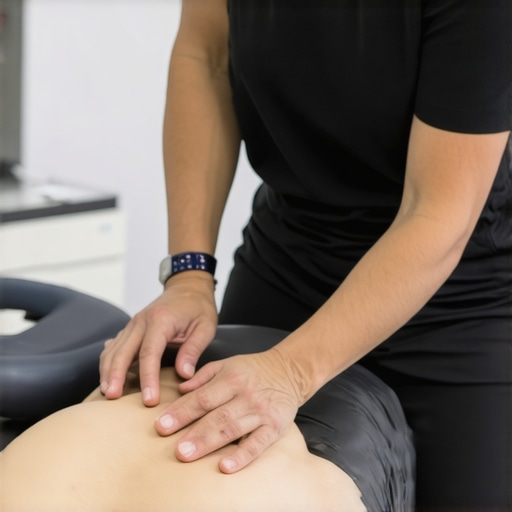
Professional adjustments are crucial—they realign your spine like tuning a musical instrument. Seek out a trusted chiropractor who can perform specific mobilization methods, such as myofascial release or gentle manipulations. My own experience involved a series of carefully executed sessions that restored mobility and reduced my recurring pain. Remember, these are best complemented with at-home care, detailed further in this resource.
Integrate Movement Throughout Your Day
Don’t stay static for long periods; movement acts like a lubricant for your joints. Set a timer every 30 minutes to stand, stretch, or walk around. I adopted this habit during a desk job phase and noticed my discomfort diminished significantly. Think of it as giving your spine small regular tune-ups to keep everything aligned and pain-free.
Prioritize Restorative Sleep Positions
Your sleep setup impacts your spinal health. Use supportive pillows that maintain natural curves and avoid sleeping on your stomach. I experimented with different pillows based on these tips, and my mornings became more pain-free. Proper sleep posture is like a nightly reboot, setting you up for a pain-free day ahead.
Many people believe that back and neck pain are primarily caused by muscle strain or simple posture issues, leading them to seek quick fixes like aggressive stretching orpainkillers. However, this oversimplification blinds us to the nuanced causes behind chronic pain, such as nerve impingements, joint degeneration, or misalignments that require a targeted approach. Relying solely on sensationalized remedies can be a trap, delaying proper diagnosis and intervention.
Is Your Self-Treatment Doing More Harm Than Good? A Deeper Look
One common myth is that experiencing occasional discomfort means you just need to strengthen muscles or take an over-the-counter med. In reality, persistent pain often signals underlying issues like joint instability or nerve irritation. Over-aggressive stretching without professional guidance can even worsen conditions, causing micro-injuries or nerve compression. Trusting the process involves understanding when self-treatment suffices and when seeking expert care, such as from a trusted chiropractor, is essential. For example, learn how chiropractic techniques can evaluate and address root causes by visiting this comprehensive resource.
Another misconception is that once pain lessens, the problem is resolved. But, as research indicates, ongoing spinal issues can recur if lifestyle and mobility are not actively maintained. Regular chiropractic care and targeted mobility exercises help prevent setbacks, ensuring sustained relief. Remember, it’s not just about quick fixes—it’s about long-term well-being. Want to avoid common pitfalls and accelerate your recovery? Discover effective strategies at this resource.
Advanced practitioners ask: ‘How can I ensure my treatment addresses complex, multi-factorial causes of pain?’ Addressing these requires a nuanced understanding of spinal biomechanics, nerve interactions, and tissue health. For instance, techniques like myofascial release or corrective adjustments have proven successful when tailored precisely. Studies show that personalized, evidence-based chiropractic interventions outperform generic approaches, leading to better mobility and pain relief. Dive into this expert-backed info at this detailed guide.
Staying proactive about maintaining your spinal health is essential for long-term relief from back and neck pain. Over the years, I’ve found that investing in quality tools and establishing consistent routines makes all the difference in preserving mobility and preventing setbacks. Today, I want to share some of the specific equipment and methods I personally rely on to keep things working smoothly, as well as where I see future trends heading.
Essential Devices for Daily Support and Alignment
One of my top recommendations is a high-quality foam roller. Not just any foam roller will do—look for one with variable densities that allow you to target different muscle groups effectively. I personally prefer the Grid Foam Roller because its textured surface helps break up fascia tension, which can contribute to nerve impingements and chronic pain. Regular use, especially after prolonged sitting or physical activity, keeps my muscles supple and my spine aligned.
Another tool I swear by is an ergonomic lumbar support pillow for my chair, which maintains natural spinal curves during long work hours. I’ve noticed a significant decrease in neck tension and lumbar discomfort since incorporating it. Proper support is crucial, and the right cushion can prevent poor posture habits from becoming chronic problems.
Leveraging Technology for Better Outcomes
Software-wise, I rely on mobility tracking apps like these tools to monitor my daily movement and identify areas where I need extra attention. Some apps allow gentle guided exercises tailored to your injury history, making your at-home care more effective and personalized. Over time, analyzing trends helps me fine-tune my routines and address minor issues before they escalate.
Future of Spinal Maintenance: Integrating AI and Wearables
Looking ahead, I predict a rise in AI-powered devices and wearable tech that continuously assess posture and spinal alignment in real-time. Imagine a smart belt that vibrates when you slouch or a device that detects inflammation levels through skin sensors. These innovations could revolutionize how we approach chiropractic care, making it more proactive and personalized. Experts from this resource explain how technology is already making strides in this arena.
How do I maintain spinal health over time?
Consistency is key. Incorporate daily mobility drills like gentle neck rotations and shoulder rolls, use supportive tools during sedentary periods, and stay vigilant with tracking software to observe your progress. Regular check-ins with a trusted chiropractor can also help fine-tune your routines and prevent complications. Remember, proactive maintenance—not just reactive treatment—is the strategy that ensures your back and neck stay pain-free in the long run. If you’re ready to elevate your care, try integrating a smart posture monitor or scheduling periodic professional assessments to keep your spine in optimal shape.
For more detailed guidance and trusted strategies, visit this resource.
As I reflect on my journey to better spinal health, one lesson stands out: genuine progress comes from embracing personalized, proactive strategies rather than chasing quick fixes. The lightbulb moment was realizing that each body’s unique complexities demand tailored care and consistent effort. It’s not just about alleviating pain temporarily but creating sustainable habits that support long-term mobility and comfort. Remember, the true reward is reclaiming daily life without the shadow of discomfort—and that’s achievable with the right mindset and tools.
What Surprised Me About Spinal Recovery That You Might Not Know
One enlightening discovery was understanding how intertwined our daily habits are with spinal health. For instance, I never appreciated how poor sleep posture or neglecting movement could sabotage my efforts. Real progress required conscious changes—like optimizing my sleep setup and integrating small mobility breaks. The most profound lesson? Consistent, mindful care outperforms sporadic treatments. It’s about creating resilience, not just temporary relief.
My Go-To Resources That Keep Me Moving Forward
Beyond personal routines, I rely on trusted resources to deepen my understanding. This insightful guide opened my eyes to the transformative power of chiropractic care tailored to individual needs. I also turn to mobility tracking apps that help me stay accountable and identify areas needing attention. Lastly, expert articles like this resource provide ongoing support to refine my routines. These tools foster a proactive mindset essential for lasting results.
Your Next Step Towards a Pain-Free Life
Think of spinal health as a continuous journey—every small effort compounds into significant change. Whether it’s committing to daily mobility drills, scheduling regular chiropractic visits, or investing in supportive gear, each action brings you closer to a more comfortable, active life. Embrace the process, stay curious, and remember that quality care and persistence are your best allies. You have the power to transform your back and neck health in 2024—start today.
What’s one habit you’re willing to change this week to support your spinal well-being? Share below—I’d love to hear your plan!
Reading this post really resonated with my recent experience trying to improve my posture and spinal health. I used to underestimate how much daily habits could impact chronic neck and back pain. Incorporating core strengthening and better ergonomic support made a noticeable difference for me, especially in reducing stiffness after long work hours. One thing I’ve been curious about is the role of wearable posture devices—has anyone found these helpful long term? I’ve tried a few but haven’t committed to one consistently yet. It seems like proactive tools, combined with regular chiropractic care, could really shift the healing process from reactive to preventive. I’d love to hear how others incorporate technology into their routines or any tips for sticking with these tools. It’s inspiring to see how small, consistent changes can lead to lasting relief. What are some of your go-to habits for maintaining spinal health through busy schedules or when motivation wanes? It’s a journey, but these insights give me renewed motivation to stay on track.