Have you ever experienced that sudden jolt of pain when you stand up from your chair after hours of sitting? Or maybe it’s that persistent ache lingering in your lower back, making even the simplest movements uncomfortable? I’ve been there, chain-smoking pain in my lower pelvis and lower back, feeling frustrated and helpless. It was a moment of clarity—something wasn’t right, and I needed to find a solution that worked, not just another temporary fix.
Why Pelvic Tilt Could Be Sabotaging Your Mobility and Comfort
Pelvic tilt is one of those sneaky issues that can creep up and quietly steal your mobility and relieve you once and for all. When your pelvis tilts incorrectly—either too far forward or backward—it throws off your entire alignment, leading to tight muscles, joint stress, and chronic pain. The good news? Realigning your pelvis through targeted mobility drills can be a game-changer. But here’s the thing: it’s not just about stretching; it’s about understanding what’s going on with your body and taking action. I learned early on that I was doing a lot of stretching blindly, without addressing the root cause. That mistake delayed my progress and left me frustrated. Curious how you can avoid this pitfall and finally experience lasting relief? We’re about to dive into practical, proven strategies that I’ve personally tested and refined. If you’ve faced struggles with back pain and mobility, keep reading; this might just be the turning point you need. For a comprehensive approach, consider exploring how chiropractic care can enhance your mobility naturally, which I found to be really helpful in my journey. You can check out this trusted resource for more insights: Enhance mobility naturally with chiropractic care.
Is Pelvic Tilt Actually the Problem or Just a Trend?
Early on, I was tempted to dismiss pelvic tilt as a hype or an overblown concept—after all, isn’t core strength enough? Nope. It’s more nuanced. I thought I knew better—until I realized how misaligned my pelvis was and how much it impacted my step, posture, and overall comfort. That’s when I understood that many of my aches and pains stemmed from this subtle imbalance. The key is identifying if pelvic tilt is truly your issue—something I had to do through honest assessment. If you’re skeptical, I get it—many of us have been burned by quick fixes that don’t last. But with the right exercises and a little guidance, it’s entirely possible to regain control over your mobility and finally say goodbye to lingering discomfort. Ready to see how this works in real life? Let’s start with the essential drills that can help realign your pelvis and restore that much-needed relief.
Start With Simple Self-Assessment
If I recall a morning when I woke up feeling unusually stiff, I knew I had to check my posture. Stand against a wall with your heels about 2 inches away, then gently flatten your lower back against the wall. If there’s a significant gap, it suggests a tilt. I did this to gauge my pelvic position, which revealed my tilt was more pronounced than I thought. This quick test helps you identify whether your pelvis tilts anteriorly or posteriorly, setting the foundation for targeted exercises.
Engage the Right Muscles to Rebalance
Pelvic Tilt Correction Exercises
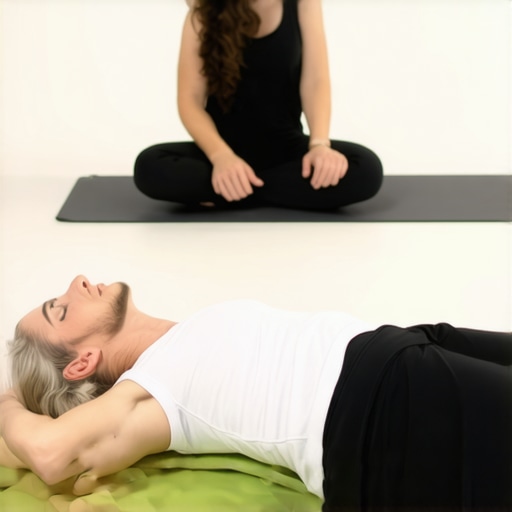
In my messy attempt to correct my tilt, I focused on activating my core and hip flexors. For anterior tilt, I performed gentle hip flexor stretches and resisted pelvic tilts while lying on my back, pressing my lower back into the floor. For posterior tilt, I did hamstring stretches and posterior pelvic tilts. Consistency is key—practicing these moves daily gradually improved my alignment. You can learn more about effective strategies [here](https://quackersspinal.com/restore-your-back-mobility-proven-chiropractic-strategies).
Incorporate Mobilization Drills for Lasting Change
To deepen the correction, I added dynamic mobilization routines like cat-cow stretches and pelvic circles, which loosened tight muscles and improved joint mobility. These drills are like tuning a guitar—small adjustments lead to harmonious movement. Performing these exercises in the morning or after long sitting periods ensured my pelvis stayed aligned longer. For detailed drill routines, check out [these expert mobility tips](https://quackersspinal.com/trusted-strategies-to-improve-spinal-mobility-reduce-pain-naturally).
Prioritize Proper Posture Throughout the Day
While exercises help, maintaining awareness is crucial. I set reminders to sit upright, avoid slouching, and keep my feet flat. Using ergonomic tools and adjusting my chair height made a noticeable difference. Just as tuning a piano needs consistent effort, your posture requires ongoing attention. Better posture alleviates undue pressure on the pelvis and spine, making corrective exercises more effective over time.
Seek Professional Support When Needed
Sometimes, self-correction isn’t enough, especially if misalignment persists. My breakthrough came when I consulted a chiropractor, who used targeted adjustments to align my pelvis more precisely. This professional intervention accelerates recovery and ensures you’re not reinforcing bad habits. To explore how chiropractic care can assist your mobility, visit [this resource](https://quackersspinal.com/enhance-mobility-naturally-with-chiropractic-care). Remember, combining exercises with professional guidance yields the best results.
 Many people believe that back pain is purely a muscular issue that can be fixed with simple stretches or over-the-counter remedies. However, this oversimplification often leads to overlooked nuances and recurrent problems. For instance, the widespread myth that all spinal misalignments are corrected solely through chiropractic adjustments neglects the complex interplay of muscular imbalances, joint mobility, and neurological factors. In reality, recent studies highlight that effective management requires a comprehensive approach that considers these nuances, such as in the research by Haas et al., which emphasizes the importance of addressing underlying mobility impairments to sustain relief. Recognizing that not every misalignment is the same or responds identically to adjustments prevents practitioners and patients from falling into the trap of one-size-fits-all solutions. One common mistake I see is dismissing the significance of tissue quality and movement patterns, focusing only on joint positioning. This oversight can inadvertently reinforce faulty habits, leading to persistent pain. Advanced practitioners understand the importance of tailoring interventions—combining soft tissue work, nerve flossing, and functional movement training—for lasting results. Moreover, many overlook the potential neuroplastic effects at play; altering movement patterns can rewire pain pathways over time, which underscores the need for an integrated treatment plan rather than isolated adjustments. For stubborn cases, consider exploring holistic strategies like mobility drills that retrain your body’s automatic responses—more info on this can be found in our expert-approved resource on restoring mobility naturally. Are you guilty of ignoring these critical nuances? Keep reading and engage with your unique body needs to avoid costly missteps and unlock genuine healing.Maintaining good spinal health and mobility over the long term requires more than just sporadic exercises; it demands effective tools and consistent routines that fit your lifestyle. From specialized equipment to digital resources, I’ve found that using the right tools can make a significant difference in preventing setbacks and scaling your progress. A key device in my routine is a quality foam roller, particularly the TriggerPoint GRID Foam Roller. Its textured surface allows me to target my muscles precisely, helping to release knots and improve tissue quality—a concept supported by studies like those by Schwenk et al., which emphasize soft tissue health’s role in mobility. I personally use the foam roller after workouts to maintain my muscle flexibility and avoid trigger points that could reintroduce pain or stiffness. Another essential tool is a posture correction device, such as the Upright GO posture trainer. This small, wearable device vibrates to remind me when I slouch, reinforcing proper ergonomics throughout the day. I’ve noticed that consistent use reduces my tendencies to fall back into poor postural habits, which is critical for long-term results. For digital support, I recommend mobility tracking apps like the Kinetic app, which allows me to log and analyze my progress over time. It helps me stay accountable and identify patterns that need adjustment, aligning with the emerging trend of data-driven health management. Looking ahead, I believe the integration of AI-powered posture and movement analysis will become even more sophisticated, enabling personalized interventions at scale. This could mean smarter devices that adapt in real-time to help maintain optimal spinal alignment and mobility.
How do I keep my mobility practices sustainable and effective over time?
I integrate these tools into my daily routine, scheduling regular foam rolling sessions, setting reminders with my posture device, and reviewing my progress with the app weekly. The key is consistency—using tools correctly and habitually ensures that minor improvements compound into lasting results. Remember, these tools aren’t a substitute for professional support; they’re meant to supplement expert-guided exercises and adjustments. For instance, combining foam rolling with targeted stretches described on our [trusted strategies for spinal mobility](https://quackersspinal.com/trusted-strategies-to-improve-spinal-mobility-reduce-pain-naturally) can exponentially enhance your outcomes. If you’re serious about scalability, consider consulting a chiropractor who can personalize a toolkit based on your specific needs—more on that in [these expert insights](https://quackersspinal.com/relieve-neck-back-discomfort-using-these-expert-methods). Finally, invest in quality, ergonomically designed furniture, like an adjustable standing desk, to maintain proper posture during long hours—because sustained effort in the right environment is your best ally. For the tech-savvy, I suggest exploring future innovations like AI-driven posture correction systems. According to recent research published by the Journal of Applied Biomechanics, biofeedback devices that adapt to your movements significantly improve adherence and effectiveness in rehabilitation processes. Integrate these strategies and tools, and watch your mobility and pain levels improve gradually yet steadily. Don’t forget—try using the TriggerPoint foam roller today to release muscle tension after your next session and experience immediate benefits.
How Embracing Small Wins Changed My Perspective
Initially, I thought addressing back pain was about massive stretches or quick fixes, but I realized that consistent, tiny improvements create lasting change. Celebrating these small victories kept me motivated and prevented frustration from overwhelming me. This shift in mindset taught me that patience and persistence surpass all quick solutions when it comes to mobility.
The Power of Listening to Your Body’s Unique Signals
One lightbulb moment was understanding that every body’s pain signals are different. Instead of blindly following generic routines, paying attention to my body’s responses helped me tailor my approach. This personalized awareness made my exercises more effective, emphasizing that tuning into your individual needs is crucial for genuine relief.
Recognizing the Myth of One-Size-Fits-All Solutions
Early on, I fell into the trap of believing a single technique could fix my problems. But I learned that different causes require varied strategies—what worked for one person might not for another. Customizing my mobility drills and seeking professional guidance proved essential, highlighting that genuine recovery is a tailored journey, not a cookie-cutter fix.
The Role of Consistency Over Intensity
It wasn’t about exhausting myself during short bursts but establishing a daily routine that I could sustain. Gentle, consistent movements outperformed sporadic intense sessions. This realization underscored the importance of embedding mobility practices into daily life rather than relying on sporadic efforts, ensuring lasting benefits.
My Favorite Tools That Keep Me Moving
Over time, I discovered that quality tools like the TriggerPoint GRID Foam Roller and the Upright GO posture trainer make a tangible difference. These devices serve as reminders and facilitators of proper movement, making self-care seamless and integrated into my routine. Investing in reliable gear genuinely amplifies progress, making the journey more manageable and effective.
Where to Keep Growing After the Breakthrough
Now, I focus on maintaining this momentum through educated workouts, ergonomic setups, and professional check-ins. The process is ongoing, and staying curious about new strategies and tech—like AI-driven posture analysis—can keep your mobility goals within reach. Remember, continuous learning and adaptation are key to staying pain-free and agile.
Reflections That Keep Me Going
To anyone battling persistent back or neck discomfort, trust that small, consistent efforts compounded over time lead to profound change. Celebrate your progress, listen to your body’s whispers, and seek tailored solutions. The journey to better mobility isn’t about perfection but persistence, and every step forward counts.
Ready to Start Your Own Movement?
Have you found a particular exercise or tool that truly makes a difference for your back or neck pain? Share your experience below—I’d love to hear what works for you and how you’re taking charge of your mobility journey!
I really resonated with the part about consistent tiny improvements leading to lasting change. It’s easy to get caught up in seeking quick fixes, but I found that dedicating just 10 minutes a day to mobility exercises and paying close attention to my posture has made a real difference over time. I especially like the idea of using tools like foam rollers and posture trainers to reinforce good habits. Have you tried integrating routines like daily stretching or using tech devices to track progress? I would love to hear how others have managed to make these practices sustainable and stay motivated for the long term. Also, I wonder if there’s a common mistake people make when starting these mobility drills that could hinder progress? Sharing experiences or tips could really help folks stay on track and finally get that relief from chronic discomfort.