The Real Reason Your Neck Hurts After Every Zoom Call
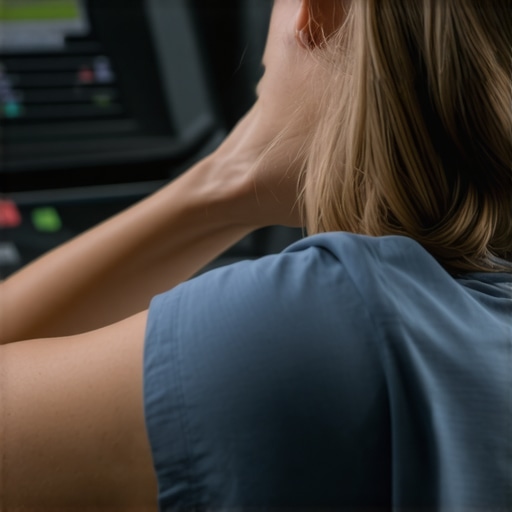
It was late at night, and I was exhausted, yet my neck was throbbing—again. I realized I wasn’t alone. Hundreds of us are experiencing this familiar, nagging ache that seems to creep in right after those long video meetings. Frustration bubbles over as I pondered: Why does this keep happening, despite all the advice I’ve read and watched? It hit me like a lightning bolt—our digital work habits are silently sabotaging our neck health.
The Hidden Culprit Behind Your Post-Meeting Neck Pain
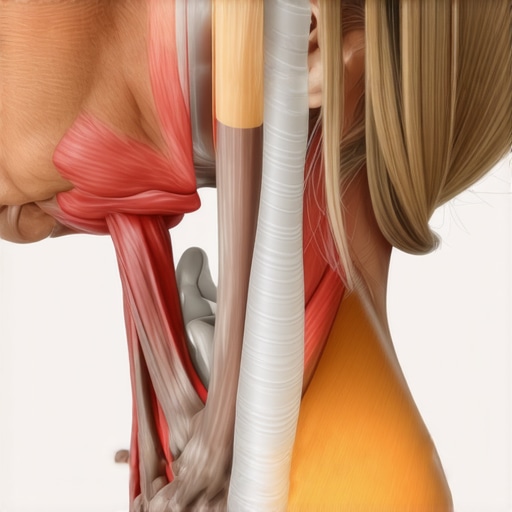
You might think the pain is just part of aging or bad posture, but in reality, many of us are falling prey to a common mistake: our workspace setup and our habits during virtual meetings. Sitting for extended periods, looking down at laptops, and leaning forward to see the screen—all these motions strain your neck muscles, and over time, this leads to persistent discomfort.
I recall early on, I believed occasional stretching and some ergonomic tweaks would solve the issue. Turns out, I was missing a crucial piece—consistent teaching on proper mobility techniques and the importance of posture correction. Discovering simple, targeted adjustments made all the difference. Studies show that regularly changing positions and practicing specific mobility drills can substantially reduce neck pain (source: https://quackersspinal.com/neck-back-pain-solutions-insights-from-wellness-experts).
If you’ve been nodding along, wondering why your neck refuses to cooperate after every Zoom session, you’re in good company. The good news is, with some strategic tweaks and exercises, you can reverse this trend and reclaim your comfort. And that’s exactly what we’re going to unpack next.
Prioritize Dynamic Movement Breaks
Start by scheduling brief movement breaks every 30 minutes during your workday. Stand up, stretch your arms overhead, and gently rotate your neck from side to side. I remember once intentionally setting a timer and forcing myself to stretch halfway through a long Zoom call. The result? A noticeable decrease in stiffness and discomfort by the end of the day.
Implement Specific Neck Mobility Drills
Incorporate targeted exercises like chin tucks and neck side bends into your routine. For example, perform a chin tuck by gently pulling your chin toward your neck, holding for five seconds, then releasing. These drills strengthen your cervical muscles and improve flexibility, reducing strain. I personally added these drills after reading about their benefits on this resource, and within a week, I felt less tightness after long sessions.
Optimize Your Workspace for Better Posture
Ensure your monitor is at eye level to avoid looking down constantly, similar to how a watchman keeps their gaze straight ahead. Use an adjustable stand or stack books to raise your laptop. When I first did this, I noticed my neck no longer strained downward, making my posture more natural. Check out chiropractic care tips for ergonomic adjustments that make a big difference.
Engage in Posture Reinforcement Habits
Develop habits that promote good posture, like gently retracting your shoulders back and elongating your neck before and during meetings. A simple reminder on your phone can help retrain your muscle memory. I added this cue during virtual meetings, which over time reduced my tendency to lean forward and strain my neck muscles.
Leverage Breathing and Relaxation Techniques
Deep diaphragmatic breathing helps relax tense neck muscles. Try inhaling slowly for four seconds, holding, then exhaling for four seconds. This reduces overall muscle tension, making mobility exercises more effective. After combining this with regular drills, I experienced less pain and improved movement.
Track Your Progress and Adjust
Use a simple journal or app to note discomfort levels and mobility improvements. Over days or weeks, adjust the frequency and intensity of your routines accordingly. Remember, consistency beats intensity—small, steady efforts yield lasting results. I found that after a month of following these steps, my neck mobility significantly improved, easing post-meeting discomfort and enhancing my overall comfort.
Many individuals assume that stretching or simple ergonomic adjustments alone are sufficient to resolve chronic neck or back pain. However, the truth runs much deeper; misconceptions about mobility and chiropractic care often lead to ineffective treatments or even worsening symptoms. For example, a common myth is that pain always equals injury, but in reality, pain can stem from muscle imbalances or nervous system dysregulation that require targeted intervention beyond basic stretching. Overlooking these nuances can trap patients in a cycle of temporary relief without addressing root causes.
Another frequent mistake is neglecting the importance of neuroplasticity in recovery. Some believe that once pain subsides, they can revert to old habits, but without conscious effort to retrain movement patterns and neural pathways, the discomfort often returns. Evidence from neuroscience suggests that consistent, purposeful exercises that challenge the nervous system are crucial for long-lasting relief (see https://quackersspinal.com/neck-back-pain-solutions-insights-from-wellness-experts).
Be wary of the trap called “passive treatments,” such as solely relying on chiropractic adjustments or massage without integrating active exercises. While these modalities are beneficial, they should complement a tailored mobility plan designed to restore optimal movement patterns. Missing this step frequently results in recurrent pain episodes.
A complex question many advanced readers ask is how to distinguish between tissue damage and functional impairments. It’s essential to recognize that often, pain persists not solely because of structural issues but due to neuromuscular coordination problems or habits ingrained over years. Techniques like controlled mobility drills and neuromuscular re-education are instrumental in these cases, as highlighted in expert resources (like https://quackersspinal.com/unlocking-neck-pain-relief-expert-tips-for-lasting-comfort).
Lastly, many underestimate the significance of lifestyle factors such as stress, sleep, and hydration, which directly influence nervous system health and tissue recovery. Addressing these factors holistically can vastly improve outcomes.
Remember, the journey to pain-free mobility isn’t just about quick fixes but understanding and correcting the intricacies that many overlook. So, have you ever fallen into this trap? Let me know in the comments.Maintaining ongoing mobility and managing neck or back pain requires more than just quick fixes; it demands reliable tools and consistent practices. One device I personally rely on is the **Cervical Stability Ball**, which I use daily during my mobility drills. This lightweight, ergonomic ball promotes active engagement of neck and shoulder muscles, reinforcing proper posture and reducing strain. Unlike traditional stretching, this tool encourages dynamic stability, which is proven to enhance long-term results. Additionally, I employ a **digital posture-tracking app** like ‘Upright’ to receive real-time feedback on my sitting habits, helping me correct poor alignment before discomfort sets in. These apps utilize sensors and AI algorithms to analyze your posture, offering prompts to adjust your positioning—an essential feature given the increasing reliance on virtual workspaces. Regarding software, I recommend **NeckX**, a program that guides users through personalized mobility routines based on symptom tracking. Its adaptive algorithms ensure that exercises evolve with your progress, preventing plateaus and setbacks.
Looking ahead, I predict integrating wearable technology with AI-driven coaching will become standard practice in maintaining mobility. Devices that monitor muscle activation and joint angles will provide even more precise feedback, allowing for highly tailored routines that adapt in real-time.
< h3 >How do I maintain my progress over time? < /h3 >
To sustain mobility improvements, consistency is key. Establish a daily routine that includes mobility drills using tools like the Cervical Stability Ball and incorporates software-guided exercises. Regularly revisit your progress with tracking apps, and adjust your routines based on the feedback. Also, consider periodic professional check-ins with a chiropractor or physical therapist who can assess your progress and recommend modifications. For example, professionals at https://quackersspinal.com/neck-back-pain-solutions-insights-from-wellness-experts emphasize the importance of personalized care plans that evolve with your needs. Remember, the goal is long-term resilience—embrace these tools as part of your lifestyle, not just temporary measures.
To kickstart your maintenance routine, try integrating short, daily mobility sessions with the Cervical Stability Ball and monitor your posture with a smart app. Small, consistent efforts here can prevent setbacks and ensure lasting relief.Over the years, my journey through persistent neck and back pain taught me that real progress often comes from unexpected lessons. The most profound insight was realizing that many of our habits and misconceptions subtly sabotage our healing process. For example, I once believed that intense stretching was the key, only to discover that targeted mobility drills and cognitive re-education made a more lasting difference. This shift in mindset opened my eyes to the importance of addressing neuromuscular patterns rather than just tissues. Embracing simple, consistent routines and unconventional tools transformed my approach, revealing that sustainable relief is within reach if you look beyond the obvious. Remember, breakthroughs often start when you’re willing to challenge your assumptions and try something new—your neck and back will thank you for it.