I’ll never forget the day I felt that sharp, stabbing pain in my neck after a long day at my desk. It was as if my spine was protesting, refusing to cooperate with my daily routine. Frustration kicked in because, like many, I thought I just needed a quick stretch or some over-the-counter medication. But what I learned later changed everything — persistent neck and back pain aren’t just nuisances; they can significantly hamper your quality of life if not addressed properly.
The Real Struggle with Pain and Mobility
Over the years, I’ve talked with countless folks who are tired of temporary fixes that promise relief but don’t deliver long-term results. The truth is, managing neck and back pain effectively requires more than just ignoring it or hoping it goes away. It’s about understanding the root cause and adopting strategies that restore your natural mobility. Trust me, there’s hope—I’ve been there, and I’ve found that with the right approach, you can reclaim your comfort and freedom of movement.
Today, I want to share the insights I’ve gathered from trusted chiropractors — friends and experts who have guided me toward sustainable relief. We’ll explore practical, proven steps to improve your spine health, reduce pain, and—most importantly—keep those pain episodes at bay. If you’ve ever felt that ache creeping into your daily life, then stick with me; because what’s coming up can truly make a difference.
Could This Be Worth the Hype?
Early on, I made a mistake that many do: I relied solely on quick fixes, thinking that stretching or popping a pill would solve everything. But I soon realized that ignoring underlying issues only worsened my condition. Like trusting a friend who’s been through it — I turned to expert advice from trusted chiropractors. Interestingly, a recent study highlighted that chiropractic care can significantly improve spinal mobility and reduce chronic pain when incorporated into a consistent treatment plan (source). So, if you’re skeptical about chiropractic’s role in pain management, you’re not alone. But the evidence and personal stories show it’s a game-changer.
In the upcoming sections, we’ll dive into specific strategies that’ll help you regain control over your neck and back health. Ready to learn how to move without pain and regain your vitality? Let’s get started on this journey to lasting relief.
Start with Gentle Movement and Posture Awareness
My first step was to incorporate gentle movements into my daily routine. I began with simple neck rotations and shoulder rolls, mimicking the motions you’d use to loosen up before a workout. I learned that holding poor postures—like slouching at my desk—gradually tightens muscles and hampers mobility. To combat this, I used ergonomic adjustments and reminders to sit upright, which helped reduce strain and maintain better spinal alignment (see expert advice). This approach is akin to steering a ship gently back on course—small, consistent adjustments prevent bigger problems down the line.
Incorporate Targeted Stretching and Mobilization Techniques
Next, I adopted targeted stretching routines that focus on key muscle groups affecting spinal mobility. I remember struggling with tight hamstrings and hip flexors, which indirectly affected my lower back. I used specific stretches, holding each position for 20-30 seconds, to gently lengthen those muscles. Think of it as unwinding tangled earbuds—careful, deliberate motions gradually restore flexibility. Regularly performing these stretches, especially after prolonged sitting, made a noticeable difference. Trusted chiropractors recommend consistent mobilization for maintaining long-term health (learn proven strategies).
Apply Myofascial Release and Self-Myofascial Techniques
I then explored self-myofascial release using foam rollers. Initially, I was hesitant, worried I might cause more harm. But applying gentle pressure along my back and neck helped release tight fascia, improving blood flow and decreasing discomfort. Imagine it as untangling a knot—careful, focused pressure helps loosen rigid tissues. Many chiropractors advocate incorporating these self-care tools into daily routines to keep muscles supple and joints mobile (expert tip).
Practice Controlled Breathing to Alleviate Tension
Stress and tension often tighten muscles unconsciously, making pain worse. I found that deep, controlled breathing sessions during stretching could help relax my nervous system. It’s like calming the storm inside your body—slow inhales and long exhales signal your muscles to unwind. Incorporating breathing exercises during my mobility routines enhanced their effectiveness, reducing overall tension and making my movements smoother (see breathing techniques).
Seek Professional Guidance for Personalized Care
While these self-initiatives made a big difference, I knew that professional insight was crucial for lasting results. Visiting a trusted chiropractor provided tailored assessments and adjustments that targeted my specific issues. Think of it as getting a personal mechanic for your spine—they identify hidden misalignments and correct them precisely. Regular chiropractic care ensures your spine stays in optimal position, facilitating better mobility and pain relief (professional strategies).
Maintain Consistency and Track Your Progress
Finally, I made it a point to track my exercises and improvements over time. Using a simple journal, I recorded daily stretches, mobility exercises, and how I felt afterward. Consistency is key—just like tuning a musical instrument, your spine needs regular adjustments to stay in harmony. Small, persistent efforts accumulate into significant gains, reducing pain episodes and enhancing overall movement (see more tips).
Building a personalized routine that combines these concrete steps can dramatically improve your spinal health. Remember, every movement counts—approach it with patience and intention, and your body will thank you in return.
One common misconception is that stretching alone can resolve chronic neck and back pain. Many assume that if they spend a few minutes daily stretching, they’ll become more mobile and pain-free. However, this oversimplification often masks deeper issues like joint misalignments or fascial restrictions that stretch alone can’t fix. In fact, relying solely on stretching can sometimes lead to overextension or imbalance, exacerbating existing problems. According to a study published in Journal of Bodywork and Movement Therapies, targeted manual therapies and chiropractic adjustments address the root causes of mobility restrictions more effectively than passive stretching alone (see proven strategies).
What About Myofascial Release — Is It Just a Trend?
Many believe that foam rolling and self-myofascial techniques are superficial fixes, but in reality, they play a critical role when combined with proper chiropractic care. These methods help release fascial adhesions that restrain movement and cause pain. If not performed correctly, however, they may cause microtrauma or worsen inflammation, especially in inflamed tissues. The key is to apply gentle, controlled pressure and complement this with professional guidance. Trusting a chiropractor to create a personalized mobility plan ensures you’re not falling into common traps or overdoing self-treatment (learn expert tips).
Can Chiropractic Adjustments Alone Improve Mobility?
This is a nuanced question. Many believe that chiropractic adjustments are a magic bullet for mobility, but the truth is that adjustments are most effective when integrated with active rehabilitation. Adjustments realign joints, reduce muscle tension, and improve nervous system function, setting the stage for better movement. But without targeted exercises, strengthening, and postural retraining, gains may be short-lived. The collaborative approach—combining chiropractic care with mobility exercises—is essential to long-term success (see collaborative strategies)
Avoid the trap of thinking that quick fixes are enough. The real challenge lies in addressing movement patterns, joint health, and tissue flexibility at the same time. Practicing proper movement mechanics, guided by experts, can prevent pain from recurring and improve your quality of life.
Remember, effective mobility isn’t about one-off tricks but a comprehensive, informed approach. So, are you guilty of over-relying on passive methods? Have you ever fallen into this trap? Let me know in the comments.
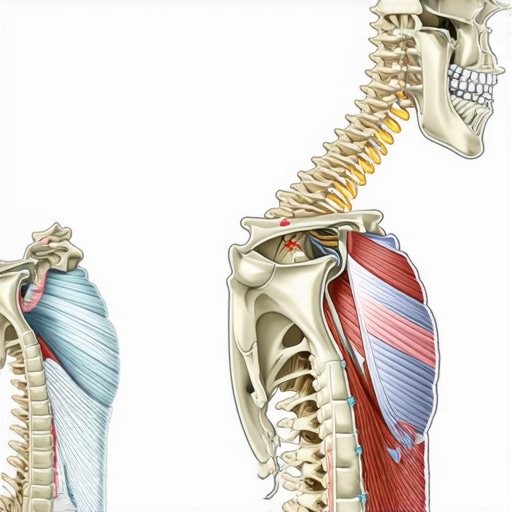
Keep It Working: Essential Tools and Strategies for Long-Term Mobility
Maintaining your improved neck and back health requires the right tools and ongoing commitment. Over the years, I’ve curated a set of targeted equipment and habits that help me preserve my progress and adapt to life’s changing demands. Investing in quality tools isn’t just about convenience; it’s about creating a sustainable routine that supports your body’s natural healing and mobility.
One cornerstone tool I personally swear by is a high-density foam roller. Specifically, the TriggerPoint GRID roller has been a game-changer. Its textured surface effectively targets fascia restrictions, especially around my cervical and lumbar regions, facilitating blood flow and reducing tension (see expert tip). Unlike softer rollers, its firm yet forgiving surface allows me to apply controlled pressure, mimicking manual myofascial release techniques used by chiropractors. Regular use of this tool helps prevent the buildup of adhesions that can lead to stiffness and pain, supporting long-term mobility.
Another vital component is a posture correction device like the Upright Go 2. I use it daily to remind myself to maintain proper alignment, especially during long periods at my desk. The device vibrates when I slouch, reinforcing better posture habits without the need to constantly look at a mirror or set reminders. This effortless cueing helps me sustain those ergonomic improvements and reduces strain on my spine, making maintenance feel seamless (learn more here).
Moving forward, wearable tech like EMG monitors (electromyography) are becoming more accessible. These devices track muscle activation patterns during exercises, ensuring you’re engaging the right muscles without overcompensating, which can cause imbalances over time. Incorporating such technology offers personalized feedback and helps fine-tune your routines.
How do I maintain my mobility over time?
Consistency is crucial. I set weekly goals for foam rolling, posture checks, and mobility exercises, integrating them into my daily schedule. It’s also essential to revisit your Technique: Incorporate regular professional check-ins, such as periodic chiropractic assessments, to catch early misalignments before they develop into pain. This proactive approach ensures your spine stays in optimal condition. The trend in the future points toward smarter, integrated tools—like apps that track your mobility progress, analyze your posture over time, and suggest tailored routines. Embracing these innovations can make long-term maintenance more intuitive and effective.
One advanced technique I recommend trying is to combine self-myofascial release with controlled breathing exercises. Breathing during foam rolling not only enhances relaxation but also stimulates parasympathetic activity, promoting tissue recovery. For example, when rolling along your thoracic fascia, breathe deeply for five seconds, then exhale slowly as you release tension. This combo amplifies results and sets a foundation for lasting mobility. So, next time you use your foam roller, challenge yourself to integrate intentional breathwork—your body will thank you for it.
Remember, keeping your mobility in top shape isn’t a one-time effort; it’s an ongoing process. Equip yourself with these tools, stay consistent, and consider consulting with trusted professionals periodically to fine-tune your routine. In the ever-evolving landscape of health tech, staying informed about new devices and methods can give you a strategic edge in maintaining long-term results. Want to take your maintenance routine to the next level? Explore the latest in biofeedback technology and personalized mobility plans. Your future-self will thank you!
For more personalized guidance on maintaining your spinal health, consider visiting my contact page and setting up a consultation. Remember, proactive care today prevents pain tomorrow.

Embarking on a journey to improve neck and back mobility has been full of surprises—some challenges, but many valuable insights. One major lesson I discovered is that quick fixes often mask deeper issues, and embracing a comprehensive approach is essential for lasting change (see proven strategies). Trusting experts and combining manual therapies with active routines allowed me to experience genuine progress, rather than just temporary relief.
Another revelation was the power of integrating mindful movement with proper posture awareness. Small, consistent habits—like ergonomic adjustments and controlled mobility exercises—created a ripple effect, transforming how I move and feel daily. Recognizing that my body responds best when I listen and adapt was a game-changer (see tips here). Doing so deepened my understanding that patience and persistence outshine rushing toward quick results.
Lastly, I learned that self-care tools, like foam rollers and posture correction tech, are invaluable. But their effectiveness hinges on proper technique and consistency. Combining these with professional care and ongoing education created a sustainable system that keeps me mobile and pain-free. This holistic perspective is what truly transformed my approach—making me confident that anyone can find their path to better mobility (more insights).”,