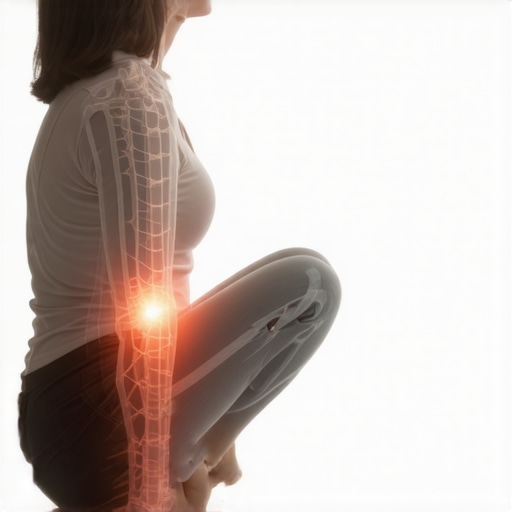
How Deep Breathing Can Actually Release Lower Back Tension
Ever had that moment when you stand up from your chair, only to feel a sharp twinge in your lower back that makes you pause, grimace, and wonder if this ache will ever go away? I’ve been there more times than I can count. I used to just massage the area, stretch wildly, or sometimes, ignore it altogether, hoping it would pass. But the pain often stuck around, stubborn as ever, influencing my mood, my mobility, and even my day-to-day life.
Why I Started Looking for Non-Invasive Solutions — and What Changed My Mind
One day, after a particularly frustrating flare-up, I stumbled upon a simple yet powerful idea: deep breathing. It sounded almost too basic to help, but I was desperate for relief. That lightbulb moment led me down a new path, a way of approaching my pain that didn’t involve popping pills or hoping for a miracle from traditional treatments. I learned that how we breathe has a profound influence on our muscular tension, especially in the lower back area.
Today, I want to share this discovery with you—because if you’re tired of temporary fixes and want lasting relief, understanding the role of breath might be your game changer. We’ll explore exactly how deep breathing can help loosen tight muscles, improve circulation, and even reprogram your nervous system to keep pain at bay. Trust me, this isn’t just some trendy tip—it’s a practice backed by science, with a personal touch that I believe can help many others.
Could Breathing Really Be This Simple Solution?
Initially, I made the mistake of thinking that tension and pain were purely physical issues requiring complicated exercises or professional help. Early on, I neglected that the nervous system plays a big role in muscle tightness. Proper breathing techniques can activate the parasympathetic nervous system, encouraging relaxation and reducing pain signals. This realization transformed my approach from frustration to empowerment. If you’ve ever wondered whether something as basic as breathwork could make a real difference, you’re not alone. Studies show that deep, diaphragmatic breathing can lower cortisol levels and decrease muscular tension—making it an effective piece of the puzzle for lower back pain relief.
Are you tired of feeling stiff, restricted, or frustrated with fleeting fixes? If so, keep reading. We’re about to dive into simple but effective breathing exercises you can easily incorporate into your routine. Whether your back pain started after sitting all day, a minor injury, or just daily stress, this approach might be the relief you’ve been searching for.
And if you’re eager to explore more solutions, I recommend checking out these expert tips for lasting neck and back relief. Now, let’s get into how deep breathing can specifically help you release that stubborn lower back tension once and for all.
Start with Proper Posture Before Breathing Exercises
In my messy first attempt, I sat slouched on the couch, trying to breathe deeply. I realized that a neutral spine position amplifies the benefits of breathwork, much like aligning your wheels makes a bike go smoother. Sit upright with your shoulders relaxed and your pelvis tilted slightly forward. This setup creates the optimal foundation for effective diaphragmatic breathing and prevents reinforcing poor posture habits. To find this position effortlessly, think of your spine as a string gently pulling your head upwards, aligning your ears over your shoulders.
Engage Your Diaphragm through Deep Belly Breathing
Next, I placed one hand on my chest and the other on my belly, noticing how shallow my breaths were. The goal is to breathe deeply into your belly, not your chest, activating the diaphragm—your body’s natural relief muscle. Breathe in slowly through your nose for about four seconds, feeling your abdomen expand like a balloon. Then, exhale through pursed lips for six seconds, gently pulling your belly button toward your spine. This rhythm promotes relaxation and reduces muscle tension in the lower back, similar to releasing pressure valves in a steam engine. Practicing this for five minutes daily can set the stage for longer-term relief.
Use Visual Aids for Better Understanding
During my learning, I visualized my diaphragm as a dome-shaped muscle underneath my lungs. As I inhaled, this dome pressed downward, pushing my abdominal contents outward, and as I exhaled, it rose back up, squeezing out air and tension. Imagining this internal movement clarified the process, making my practice more effective. To deepen your practice, try following guided videos or diagrams that illustrate diaphragmatic motion better than words alone.
Pair Breathwork with Gentle Movements
After a few minutes of focused breathing, I introduced gentle pelvic tilts—like rocking your hips back and forth while maintaining your breathing rhythm. This technique mimics what I learned at top chiropractic methods. The combination of breath and controlled movement helps loosen tight lumbar muscles, much like loosening a knot by gently tugging both ends. Do 10-15 repetitions, synchronizing each tilt with a full inhale or exhale for best results.
Integrate a Routine for Lasting Benefits
I found that consistency was key; just like tuning a guitar, regular practice ensures the strings stay in harmony. Dedicate 10 minutes each morning for diaphragmatic breathing and gentle stretches. Over time, this layered approach trains your nervous system to favor relaxation responses, decreasing the frequency and intensity of back pain episodes. Think of it as rewiring your body’s ‘danger response’ to favor calm and ease over stress and tension.
Many individuals assume that persistent back and neck pain result solely from physical injuries or poor posture. However, this oversimplification overlooks a crucial nuance: the complex interplay of neurological, muscular, and lifestyle factors. A common myth is that the pain always indicates structural damage needing aggressive intervention, like surgery or extensive chiropractic adjustments. In reality, the nervous system’s role in muscle tension and pain perception is often underestimated. Studies, such as those published in Frontiers in Human Neuroscience, reveal how neuroplasticity can cause chronic pain patterns even after the physical injury has healed, emphasizing that pain is often a maladaptive response rather than a direct sign of tissue damage.
Another misconception is that mobility issues are primarily due to stiffness or joint degeneration. While these factors can contribute, they are frequently the result of muscle imbalances or compensatory movement patterns developed over time. Addressing just the joint restrictions without considering underlying muscular or neurological causes often leads to temporary relief at best.
The trap to avoid here is assuming that symptomatic relief from a chiropractor’s adjustment or stretching session signifies a complete fix. Temporary improvements can reinforce the illusion that the problem is resolved, leading many to neglect building long-term resilience through movement variability and nerve health optimization. This is a mistake because without targeting the root neurological causes—like tension stored in the fascia or subconscious protective mechanisms—the pain is likely to return.
How can advanced understanding improve treatment strategies?
For those seeking more than fleeting relief, integrating techniques that modulate nerve sensitivity—such as neurodynamic exercises and breath control—can make a substantial difference. These methods help desensitize painful neural pathways, fostering better mobility and reduced discomfort. A holistic approach that combines soft tissue work, nervous system training, and proper movement habits is often more effective than relying solely on passive treatments. For additional insights, look into chiropractic strategies for enhancing mobility or explore expert-recommended methods for neck and back comfort.
Remember, the goal isn’t just symptom suppression but developing a resilient body-mind system that can withstand daily stresses.
Have you ever fallen into this trap? Let me know in the comments.
Investing in the Right Equipment for Lasting Relief
Maintaining back and neck health over time requires more than just exercises; it’s about integrating reliable tools and routines into your daily life. One essential item I personally swear by is a high-quality ergonomic chair with adjustable lumbar support. This piece of equipment helps keep my spine aligned during those long work hours, preventing the slump that often leads to pain. Unlike generic chairs, a well-chosen ergonomic seat ensures that my pelvis stays in a neutral position, which is fundamental for proper spinal biomechanics. I recommend models with adjustable armrests, seat height, and tilt features to tailor fit your body, helping to avoid recurring discomfort.
Alongside your chair, I utilize a foam roller for my mobility sessions. I prefer the dense, firm type because it allows me to target specific trigger points in my thoracic and lumbar regions effectively. Regular self-myofascial release with a foam roller has significantly decreased my muscle tension and improved my overall mobility. Proper technique is crucial here; I follow specific routines found in reputable chiropractic guides that help release fascia restrictions—something I’ve seen highly effective in chiropractic techniques.
For targeted pain relief, I incorporate a tennis ball for my deep tissue work. Placing the ball between my back and a wall, I can precisely target stubborn knots without needing professional assistance every time. This is especially handy after long periods of sitting or intense activity. The key is consistency—spending a few minutes daily on these self-treatment tools can counteract the build-up of tension and keep your muscles supple over months, not just days.
Leveraging Software for Monitoring Progress
Keeping track of your pain patterns and mobility improvements helps you stay motivated and adapt your routines. I personally use a simple app to log daily pain levels, exercises performed, and any discomfort triggers. Over time, this data reveals patterns, making it easier to identify which tools and movements genuinely work best for me. Some apps even offer reminders for mobility breaks or breathing exercises, reinforcing habits that cultivate long-term spinal health.
In the future, I predict that advances in biofeedback and wearable technology will make this monitoring more seamless. Devices could soon provide real-time insights into muscle tension and postural deviations, prompting immediate corrective actions. Staying ahead of the curve means embracing these innovations now, integrating cues for posture correction during your workday, for example.
How do I maintain my back health over time?
The secret lies in a combination of consistent use of effective tools and proactive routines. Regularly scheduling mobility sessions with a foam roller, maintaining ergonomic work setups, and tracking your progress with digital tools creates a sustainable cycle of care. Remember, resilience is built through daily habits—small investments in your equipment and routines can significantly reduce flare-ups and enhance your mobility long-term. If you’re serious about taking this to the next level, I recommend exploring these proven chiropractic strategies to complement your toolset.
Start by trying a dedicated session with your foam roller or adjusting your workspace for better alignment today—small steps that yield big results.
Over the years, my journey through back pain and mobility struggles has taught me that there’s no one-size-fits-all solution. The most valuable insights often come from mistakes and unexpected revelations. One of the hardest lessons I learned was that quick fixes can obscure deeper issues, making recovery feel like an endless cycle of temporary relief. Recognizing that true healing requires addressing the nervous system’s role in muscle tension was a game-changer for me and many others seeking lasting results.
What I Wish I Knew About Back Pain Before It Started
I used to believe pain was simply a physical problem—something to stretch or strengthen. But I discovered that pain is often a neurological response, and that understanding neuroplasticity transformed how I approached recovery. The realization that my nervous system could adapt and rewire itself gave me hope and motivated me to adopt breathwork and gentle movements as essential tools, not just optional extras.
How I Discovered the Power of Breath for Lasting Relief
My breakthrough came when I started incorporating diaphragmatic breathing into my daily routine. It’s incredible how a simple technique can activate the parasympathetic nervous system, reduce muscular tension, and improve circulation. This discovery made me re-evaluate many traditional approaches, leading me to integrate breath control with posture adjustments and gentle mobilizations. Trust me—this approach is backed by science and can be tailored to fit into even the busiest schedules.
My Go-To Resources for Maintaining Spinal Resilience
Through trial, error, and expert advice, I’ve curated a set of tools that truly support my back health. The book “Mastering Back and Neck Pain Relief” provided foundational knowledge, while the chiropractic techniques guide helped me implement effective mobility routines. Combining these with self-myofascial release tools like foam rollers and tennis balls keeps tension at bay and reinforces my progress day after day.
This Is Why Embracing Changes Matters
If you’re tired of the cycle of flare-ups and temporary fixes, remember that change isn’t just about exercises—it’s about rewiring your body’s response to stress and tension. Small daily steps—like adjusting your workspace ergonomics, practicing breathwork, and using simple tools—can create profound effects over time. Your journey to resilient, pain-free mobility is a marathon, not a sprint. Stay consistent, be patient, and celebrate every victory, no matter how small, because they’re the building blocks of lasting spinal health.