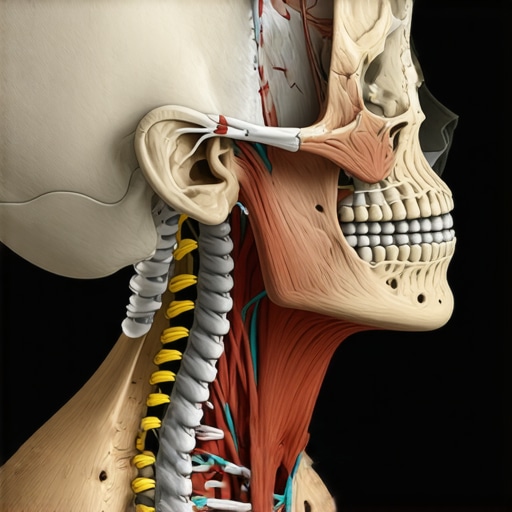
How to choose the right pillow height for your body type
I’ll never forget that night I woke up with a severe neck ache, feeling like I had been hit by a truck. It wasn’t the first time, but this one felt different. As I rubbed my neck, I realized that my pillow might be part of the problem. That’s when the lightbulb went off—my pillow height wasn’t just a trivial detail; it was a crucial factor affecting my sleep quality and daily comfort. If you’ve ever spent nights tossing and turning, waking up with aches, or feeling stiff before even starting your day, you’re not alone. I’ve been there, and I want to share what I’ve learned about choosing the right pillow height for your unique body type.
Understanding Why Pillow Height Matters More Than You Think
Is Your Pillow Actually the Culprit Behind Your Discomfort?
Early on, I made the mistake of buying a pillow based on high reviews or popular trends, thinking more padding meant better support. Spoiler alert: it didn’t. Instead, I’d wake up with a sore neck or headaches. Over time, I discovered that the pillow’s height—how thick or thin it is—directly influences your spinal alignment, which affects everything from neck pain to sleep quality. Recent research shows that improper sleep posture can lead to chronic issues, including nerve compression and tension in the shoulders and neck (source: Quackers Spinal). Recognizing this was my first step toward a more restful, pain-free sleep.
The key is to match your pillow height with your body type, sleeping position, and personal comfort—something I had to figure out through trial and error. If your pillow is too high, it can push your head forward, straining your neck; if it’s too low, it can cause you to bend oddly, leading to stiffness. Getting this balance right isn’t just about feeling cozy; it’s about protecting your spinal health.
Now, let’s explore how you can determine your ideal pillow height and start waking up refreshed, no matter your body type or sleeping style. Ready? We’ll dive into the practical steps to help you find that perfect support.
Assess Your Sleeping Position First
Start by noting whether you sleep on your back, side, or stomach. I discovered during a restless night that my side sleeping required a different pillow height than my back sleeping, which affected my neck comfort throughout the day. For side sleepers, a thicker pillow supports the space between your neck and shoulder. Back sleepers benefit from a medium height, maintaining spinal alignment. Stomach sleepers often need a thinner pillow to prevent neck twisting. Recognizing your position helps narrow down your ideal pillow thickness.
Measure Your Current Pillow’s Thickness
Place your current pillow on a flat surface and measure its height using a ruler. I realized my pillow was over 10 cm thick, which caused my neck to bend unnaturally, contributing to my pain. Knowing this measurement establishes a baseline and allows you to compare different options effectively. Aim for a pillow height that keeps your neck aligned with your spine, not bent or strained.
Find Your Spinal Alignment Sweet Spot
Lie down on your bed in your usual sleeping position, then gently place your hand under your neck. If your hand fits snugly without excessive pressure or space, you’re on the right track. I experimented with pillows of various heights, and this simple test revealed that a pillow around 5-7 cm supported my neck optimally. This method ensures you maintain natural curvature, reducing strain and stiffness.
Test and Adjust with a DIY Buffer
Use rolled-up towels or small foam blocks to simulate different pillow heights. Place them under your head while lying down and observe how your neck and shoulders feel after 10-15 minutes. I did this during a lazy Sunday morning and found that adding a thin towel layer alleviated my discomfort. This step helps tailor pillow height to your unique anatomy without costly trial-and-error.
Create Your Personalized Pillow Setup
Once you’ve identified the ideal height, consider investing in a pillow that matches this measurement. Choose one made of supportive materials like memory foam or latex that retain shape overnight. When I swapped my previous pillow for one with similar dimensions and firmness, my mornings became significantly less stiff, confirming the importance of proper support. Remember, a well-chosen pillow isn’t just about comfort but about maintaining spinal health.
Verify Your New Pillow’s Effectiveness
After a few nights sleeping with your new pillow, assess how you wake up. Do you feel less tension and fewer headaches? If your neck remains sore, revisit your pillow’s height and firmness. I kept a sleep journal during this process, noting improvements or discomfort. Fine-tuning might be necessary, but patience pays off in achieving sustainable relief.
Consult Professionals for Persistent Troubles
If adjusting your pillow doesn’t resolve chronic neck or back pain, it’s wise to seek expert guidance. Chiropractors, like those at Quackers Spinal, can analyze your spine and suggest tailored support strategies. In my experience, professional advice complemented my adjustments and helped prevent future issues, emphasizing that personalized solutions often yield the best results.
Many individuals believe that back pain, mobility issues, or neck discomfort are solely due to poor posture or injury. However, a common misconception is that these problems are straightforward and easily fixable with simple stretches or adjustments. In reality, there’s a nuanced layer that often gets ignored: the complex interaction between spinal alignment, individual biomechanics, and the body’s compensatory mechanisms. For example, some patients experience persistent neck tension not because of a neck-specific issue but due to subtle misalignments in the upper cervical spine, which can influence muscle tension and nerve pathways—something experts understand better now with advanced imaging and assessments (source: Quackers Spinal).
One myth I frequently encounter is that pain always correlates directly with tissue damage. This is misleading because pain is often a signal of nervous system sensitization rather than an injury itself. Chronic issues can persist long after the initial cause has healed, especially if the body develops learned protective habits or maladaptive movement patterns. Overlooking these neurological and biomechanical nuances can lead to ineffective treatments or even worsening conditions.
Now, a trap to avoid is over-reliance on symptomatic relief without addressing underlying causes. For instance, taking pain medication might mask symptoms temporarily but won’t correct the faulty movement or misalignment that fuels the problem. That’s why professional therapies, like chiropractic adjustments and targeted rehab, aim to restore proper biomechanics and nervous system function, rather than just masking discomfort. Curious whether your own back or neck issues could be linked to deeper misalignments? Check out proven chiropractic strategies that go beyond simple stretching.
Another advanced nuance involves how subtle pelvic tilts or foot biomechanics influence spinal health. For example, misaligned hips can cause compensatory curves up the spine, leading to pain or restricted mobility. Addressing such issues requires a comprehensive evaluation—something many overlook due to the misconception that only the local area causes symptoms. Don’t fall into that trap. To truly resolve complex back or neck problems, consider seeking a professional assessment that examines the entire kinetic chain. You can learn more about these interconnected factors and how they impact your recovery at this in-depth guide.
Have you ever fallen into this trap of oversimplification? Let me know in the comments, and remember—your body’s signals are telling a complex story that deserves expert interpretation.
Keep It Working with the Right Equipment and Strategies
Maintaining long-term back and neck health isn’t just about correct posture during therapy sessions; it requires consistent effort and the right tools. Over the years, I’ve integrated specific equipment and routines that have helped me sustain mobility and reduce pain. One essential tool I swear by is the use of foam rollers, especially the high-density types, for my upper and lower back. They allow me to release muscle tension, improve circulation, and maintain flexibility between chiropractic visits. I’ve found that a targeted roll along the thoracic spine alleviates stiffness and enhances posture, which is vital for long-term relief.
Complementing physical tools, I heavily rely on specialized software for tracking my progress and schedules. Apps like My Mobility Tracker help monitor daily movements, identify patterns, and set reminders for stretching routines. These digital tools ensure consistency, which is key to preventing regressions and facilitating measurable improvements over time.
Another critical component is the educational content I consume regularly. Subscription-based platforms that offer expert-led tutorials, such as Chiropractic Strategies, keep me updated on the latest techniques and research. Staying informed helps me adapt my approach as my body changes or as new insights emerge, like understanding the importance of addressing subtle pelvic tilts or foot biomechanics that influence spinal health.
For those serious about long-term results, incorporating ergonomic assessments into everyday workspace setup is indispensable. I invested in adjustable desks and ergonomic chairs, aligning my workstation to reduce strain. Regular check-ins with a chiropractor aid in fine-tuning these adjustments, ensuring that my posture stays optimal even during extended periods of work or leisure.
Looking ahead, I believe that wearable technology will revolutionize this space. Devices that monitor muscular tension or spinal alignment in real-time could provide immediate feedback and prompt corrections, making maintenance more dynamic and personalized. Companies are already developing sensors that can alert you when your posture deviates beyond safe ranges, potentially reducing the incidence of pain before it starts.
If you’re ready to take your maintenance game to the next level, I recommend trying a foam roller for targeted muscle release. Spend five minutes daily rolling out your upper back and neck areas. This simple yet effective step can make a significant difference in keeping your spine healthy and resilient. Want to learn more about tailoring routines specific to your body? Reach out for professional guidance at Quackers Spinal and start building a sustainable plan today.
Lessons Hidden in My Struggles
One of the most eye-opening lessons I learned was that no single pillow fits all—it’s about finding that personalized support that aligns with your unique body. I used to think comfort was everything, but now I realize that support and spinal alignment are the real game changers.
Another revelation was understanding how small adjustments—like adding a tiny towel or lowering pillow height—could dramatically reduce neck stiffness and headaches. These simple tweaks taught me to listen more carefully to my body’s signals without rushing into one-size-fits-all solutions.
Most surprisingly, I discovered that persistent discomfort often stems from overlooked factors like pelvic tilt or foot biomechanics. Addressing these aspects made a noticeable difference, highlighting that true relief involves a whole-body perspective, not just the pillow under my head.
Tools and Resources That Changed My Approach
My top recommendation is a high-density foam roller, which I use regularly to maintain muscle flexibility and support my spine—think of it as a preemptive care tool. The app My Mobility Tracker has been invaluable for monitoring progress and staying consistent with routines, helping me recognize patterns before discomfort escalates.
For deeper understanding, the book “The Spine Solution” provided comprehensive insights into spinal health and posture optimization. Finally, professional guidance from experts at Quackers Spinal has been the cornerstone—personalized assessments uncovered hidden misalignments I never suspected.
Your Body’s Signal—It’s Time to Act
Remember, your body is constantly communicating—don’t ignore its messages. Taking proactive steps to customize your pillow support and embracing a holistic approach can lead to profound, lasting relief. You’re capable of transforming your sleep and daily comfort—start today, and watch your mobility flourish.
What small change have you tried recently to improve your sleep posture? Share your experience below—I’d love to hear how you’re taking control of your spinal health!