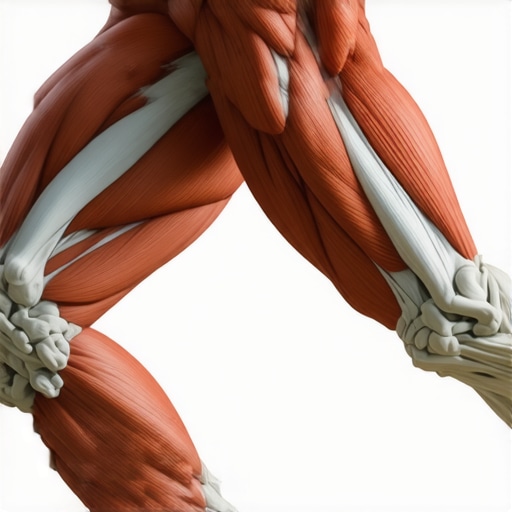
How to Pick Up Your Dog Without Hurting Your Back
I’ll never forget that morning when I bent down to grab my energetic terrier, only to be hit with a sharp pain that shot through my lower back. It was a wake-up call—my back had taken a hit from improper lifting, and I felt limitingly stiff for days. If you’ve ever experienced this kind of pain, you know how it can suddenly turn everyday moments into uncomfortable ordeals. That moment made me realize how crucial it is to master the art of lifting our furry friends without risking injury or discomfort.
Why Picking Up Your Dog Can Really Hurt Your Back
Many pet owners overlook the strain that lifting can place on their spines, especially if they’re unaware of proper techniques. The truth is, without correct posture and movement habits, it’s easy to inadvertently torque or strain your back, potentially leading to chronic pain or injury. I used to think that bending my knees and keeping my back straight would do the trick, but I didn’t realize how much my habits and environment played a role until I experienced that painful reminder. Making that early mistake—lifting from the waist without engaging my core—was a costly lesson that I’ve since learned from.
How often do you find yourself scooping up your dog without giving it a second thought? If your answer is “all the time,” then stick around—I’m here to share what I’ve learned through trial, error, and a little professional advice. My goal is to help you lift with confidence and protect your back, so pet-loving adventures stay joyful, not painful.
Will This Really Make a Difference?
Absolutely. Small adjustments to your lifting habits can significantly reduce your risk of back pain. I’ve found that implementing simple, mindful techniques has transformed how I manage my mobility daily. And it’s not just about avoiding pain; it’s about building strength and awareness that can help you enjoy your walks and playtime with your dog for years to come. According to spine health research, proper lifting techniques can prevent up to 80% of back injuries in everyday activities (source).
Are you tired of feeling fearful every time you bend down? Or maybe your back stiffens after just a few minutes of lifting? If so, you’re not alone. Many pet owners face these challenges, but the good news is, with a few tailored strategies, you can lift smarter—and safer.
Now, let’s break down the practical steps to lifting your pup without throwing your back out. Ready to make a change? Keep reading, because your back will thank you for it.
Get Your Feet Right Before Lifting
Stand with your feet shoulder-width apart, bearing weight evenly; imagine your feet as pillars supporting a structure. I remember a time last week when I was in a rush but paused to consciously position my stance, which made lifting my energetic pup feel effortless instead of a potential back strain. Proper stance creates a stable base, reducing the chance of twisting or tipping.
Engage Your Core Like a Natural Belt
Activate your abdominal muscles as if tightening a belt around your waist—this stabilizes your spine. I often forget this step, but after consciously squeezing my core during a lift, I felt a significant decrease in lower back tension. Think of your core as the brace keeping your spine aligned and protected from unnecessary movement.
How to Practice Core Engagement
Before lifting, take a deep breath and tighten your belly as if preparing for a light punch. Hold this tension as you lift. Doing this consistently trains your muscles to support your spine better, akin to how a well-built scaffold supports a building. Remember, avoiding reliance solely on your back muscles prevents injury.
Bend Smartly—Hips First, Not Waist
Initiate the lift by pushing your hips backward, as if you’re sitting in a low chair. This hip hinge is crucial. I once tried to lift from my waist, resulting in a sharp twinge that reminded me of the importance of proper movement. By leading with the hips, you utilize your strongest muscles and keep your spine in a safe position.
Precise Hip Movement
Keep your back flat as you fold at the hips, maintaining a slight natural curve. Feel your glutes engage as you rise. This mirrors the principles found in [chiropractic strategies](https://quackersspinal.com/restore-your-back-mobility-proven-chiropractic-strategies), emphasizing movement that protects spinal health.
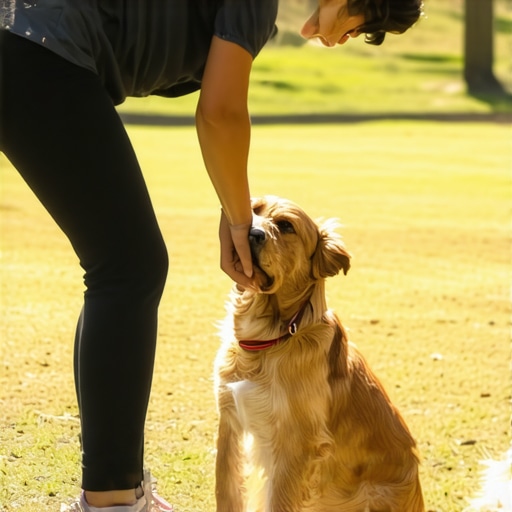
Lift with Your Legs
Drive upward using your leg muscles, not your back. Imagine your thighs as levers; press through your heels to straighten up. I recall struggling with a heavy bag before understanding this, and after consciously using my legs, the process became smoother and kinder to my back.
Execution when Lifting
Keep the object close to your body—like hugging a pillow—to minimize strain. Practice this over time; it becomes second nature, preventing those sneaky micro-injuries that lead to chronic pain. For more insights on spinal health, consider exploring [mobility techniques](https://quackersspinal.com/boost-mobility-ease-pain-chiropractic-techniques-unveiled).
Maintain Neutral Spine Throughout
Keep your neck aligned with your back; avoid looking down or twisting. I once twisted my torso to check on my pup, which led to a muscle strain. Visualize a string gently pulling your head upward, keeping the spine straight and relaxed. This posture preserves spinal curves and prevents dominos of discomfort.
Practicing Spinal Awareness
Pause before lifting to set your posture—shoulders back, chin slightly tucked. Regularly check your alignment, especially if you notice discomfort. Techniques from [spinal mobility exercises](https://quackersspinal.com/relieve-neck-back-discomfort-using-these-expert-methods) reinforce this habit.
Lower Carefully and Set Down Gently
Reverse the lift with control, leading with your hips again. Avoid dropping objects suddenly or twisting your trunk as you set down. I remember a friend who momentarily ignored this and felt a quick back spasm; that mistake underscored the importance of controlled movements. Gently lowering preserves your spinal integrity and prevents unnecessary strain.
Tips for Safe Set-Down
Place your foot flat, engage your core, and lower the object slowly, again hinging at the hips. Think of laying down a delicate object on a shelf; gentle and precise. For additional safety tips, consulting [chiropractic strategies](https://quackersspinal.com/restore-your-back-mobility-proven-chiropractic-strategies) can offer more practical advice.
Many assume that back pain is solely a matter of muscles or a quick fix through adjustments, but in my experience, there’s a subtlety that often goes unnoticed: the role of the nervous system and spinal health. Common myths suggest that pain equals damage, leading to a fixation on pain relief rather than addressing the root cause. For instance, many believe that cracking your back or popping pills will resolve ongoing issues, but research indicates that these are often merely symptomatic reliefs without long-term benefits (source). An advanced mistake is focusing solely on symptom management instead of understanding spinal alignment and neuromuscular control, which are crucial for lasting recovery. The misconception that chiropractors only adjust bones ignores the complex interplay between joint mobility, ligament tension, and nerve function. Moreover, some think that mobility exercises are risky if pain persists, but studies demonstrate that controlled movement actually promotes healing when tailored correctly (source). An important nuance is recognizing the significance of spinal stability and proprioception—the body’s awareness of its position—which, when neglected, can render even well-executed therapy ineffective. For instance, individuals who skip core strengthening after adjustments risk recurring issues because they haven’t integrated the stability needed for true recovery. In my practice, I emphasize that the path to eliminating back pain involves not just immediate relief but cultivating neuromuscular harmony. Advanced strategies involve assessment of your spinal movement patterns, nerve health, and postural habits. If you’re curious about how subtle misalignments or nerve irritations might be sabotaging your efforts, consider exploring [chiropractic secrets to regain full mobility](https://quackersspinal.com/chiropractic-secrets-to-regain-full-mobility-after-injury) for insights. Don’t fall into the trap of chasing quick fixes—mastering this hidden nuance can unlock enduring relief. Have you ever fallen into this trap? Let me know in the comments.
Investing in the Right Equipment: My Personal Favorites
Maintaining spinal health over time requires more than just good habits; having the right tools can make a significant difference. One of my go-to pieces of equipment is a high-quality foam roller. I use it daily to release tension in my thoracic spine and improve overall mobility. Choosing a dense foam roller with textured surface helps target deep muscle tissue effectively, enabling me to perform my self-myofascial release with precision. For those interested in proprioception and stability, a balance disc is invaluable. I incorporate it into my daily exercises to challenge my core and enhance neuromuscular control—key factors in preventing injuries and optimizing movement patterns. Additionally, I highly recommend using a lumbar support pillow when sitting for extended periods. I prefer memory foam models that contour to my lower back, maintaining proper spinal alignment during long workdays or travel. Regularly updating my supportive equipment ensures I stay comfortable and aligned, which is critical for long-term health.
When it comes to software, I utilize mobility tracking apps like Fitbod or Gymaholic. These apps provide tailored workout routines emphasizing spinal stability and flexibility, and I appreciate their ability to progress exercises gradually and prevent overtraining. Monitoring progress and adapting your routine over time is essential for sustained improvements. Looking ahead, I predict wearable technology embedded with sensors—like smart braces or posture trackers—will become more advanced, providing real-time feedback and even automatic corrections to help maintain proper alignment throughout the day.
How do I maintain my tools over time?
Proper maintenance ensures these tools remain effective and safe to use. Foam rollers should be washed monthly with mild soap to prevent bacterial buildup. Balance discs should be inspected regularly for cracks or excessive wear and replaced if damaged. Support pillows benefit from periodic cleaning according to manufacturer instructions to prevent dust accumulation. As for digital tools, keeping apps updated ensures compatibility with your device and access to the latest features. Incorporating a routine check-in—perhaps monthly—to assess the condition of your equipment can help you catch issues early before they compromise your spinal health. Remember, investing in quality and maintenance of your tools is a form of self-care that pays dividends in pain-free mobility. If you’re unsure where to start or want a tailored plan, consider reaching out through our contact page for expert guidance. Ready to elevate your back health? Try incorporating a foam roller session into your daily routine; start with gentle massage and gradually increase pressure as tolerated. Your spine will thank you for this proactive step toward long-term wellness.
What I Never Expected About Back Pain’s Hidden Truths
One of the most profound lessons I learned was that pain isn’t always a sign of damage; sometimes, it’s your body’s way of telling you something’s out of alignment. I used to chase quick fixes, but the real breakthrough came when I started listening to my body’s subtle cues and understanding that spinal health is deeply connected to nerve function and neuromuscular harmony.
Another insight was realizing that our daily habits and environment are often silent partners in causing discomfort. Small adjustments—like how we lift, sit, or even breathe—can make a massive difference. These weren’t just tips; they became a lifestyle change that transformed my approach to back health.
The third revelation was about the power of proactive care. Investing time in targeted mobility routines, proper equipment, and regular check-ins with professionals isn’t a luxury—it’s a necessity for lasting relief. It’s not about fighting symptoms anymore; it’s about nurturing the foundation of spinal wellness.
Curated Tools That Made a Difference for My Back
My go-to resource has been a high-density foam roller. It’s invaluable for releasing tension and maintaining my thoracic mobility. I trust brands that offer textured surfaces because they target deep muscle tissue effectively, which is crucial for avoiding micro-injuries.
A balance disc has been a game-changer for strengthening my core and improving proprioception. Incorporating it into my daily routine has enhanced stability and reduced the risk of injury—a small investment for a lifetime of mobility.
Supporting my spine during long workdays with a quality lumbar support pillow has made sitting comfortable again. I’d recommend always choosing ergonomically designed support that matches your body’s contours; it’s like giving your back a gentle hug every hour.
And for tracking progress, mobility apps like Gymaholic help me stay accountable and progress gradually. As technology advances, I believe wearable sensors will soon offer real-time postural feedback, turning every moment into an opportunity for spinal self-care.
This Journey is Just Beginning—Your Back Deserves It
Taking these lessons to heart is a commitment that pays dividends in pain-free living and effortless movement. Remember, your back health isn’t a one-time fix; it’s an ongoing relationship with your body. Every step you take—whether it’s practicing good lifting habits or investing in supportive tools—brings you closer to a resilient, mobile future. Ready to embrace a new chapter of spinal wellness? Your back will thank you for it.
Have you ever struggled with subtle discomfort that turned out to be a sign of misalignment? Share your experience below—I’d love to hear your story and how you’re redefining your back health journey.
,