How to Stop Your Ribs From Feeling Stuck When You Breathe
Ever had that moment during a workout or even just while relaxing where suddenly, it feels like your ribs are glued shut? You take a deep breath, expecting that satisfying expansion, but instead, your ribs feel tight, restricted, and downright uncomfortable. I remember the first time this happened to me—thinking I was having a panic attack or some serious respiratory issue, only to realize it was something much simpler yet surprisingly common. This sensation can sneak up on you and make even everyday activities feel daunting.
In fact, feeling like your ribs are stuck when you breathe can be more than just a nuisance — it can interfere with your mobility, cause stress, and make you dread those deep breaths we all need but rarely appreciate. The good news? There are effective ways to ease this discomfort, and I’m here to guide you through them.
Why Your Ribs Might Feel Stuck and Why It Matters
Your ribs are part of your core’s foundation, supporting your posture and protecting your vital organs. When they feel locked in place, it’s often a signal that something’s out of alignment or tense, usually because of muscular tightness, joint restrictions, or nervous system responses. If left unaddressed, this can lead to ongoing discomfort, limited breath capacity, and even impact your posture over time.
One common mistake I made early on was ignoring the importance of proper breathing mechanics and relying solely on superficial stretches or quick fixes. It’s easy to fall into the trap of thinking that stretching your chest or back muscles will solve everything, but the truth is, your body needs a more targeted approach to restore proper rib movement and breathing comfort. As research points out, dysfunctional breathing can perpetuate muscular tension and restrict rib cage mobility, making the sensation of being stuck even worse (source: see how chiropractic care aids in back pain relief).
Understanding why this happens is the first step. Sometimes, it’s a physical restriction in the joints or muscles; other times, it’s your nervous system reacting to stress or injury, tightening up your ribs involuntarily. Recognizing this helps us realize that addressing the problem requires a combination of gentle mobility exercises, proper breathing techniques, and sometimes, professional guidance.
So, if you’ve felt that uncomfortable trapping sensation when you breathe, you’re not alone. Many people face this issue, and it’s entirely fixable. In the sections ahead, I’ll share some proven strategies to loosen up those ribs and help you breathe freely again. Before we dive into the具体 techniques, think about the last time you struggled to take a deep, full breath. Have you experienced this sensation too? If so, stay tuned — what’s coming next might just change how you breathe every day.
Start with Gentle Breathing Techniques
Focus on diaphragmatic breathing, which involves expanding your belly as you inhale, rather than just your chest. Lie on your back with a hand on your stomach and another on your chest. Inhale slowly through your nose, feeling your abdomen rise while your chest stays still. Exhale fully through pursed lips, pressing gently on your belly to release residual air. I once practiced this during a stressful afternoon, and after ten minutes, I noticed my ribs felt less tight and my breathing was deeper.
Incorporate Rib Mobility Exercises
Perform Cat-Cow Movements for Spine Flexibility
Position yourself on hands and knees. As you inhale, arch your back, lifting your tailbone and gaze upwards (Cow pose). Exhale as you round your back, tucking your chin toward your chest and squeezing your abdominal muscles (Cat pose). Repeat slowly for 10-15 rounds. This mobilizes the thoracic spine and helps free up stuck ribs. I found that doing this every morning eased my chest tightness and improved my posture over time.
Use Gentle Side Stretches
Stand or sit upright. Reach your right arm overhead and gently bend sideways to the left, feeling the stretch along your ribs and side muscles. Hold for 20 seconds, then switch sides. This movement targets intercostal muscles and promotes flexibility. I included this in my routine after noticing that side breathing felt restricted, and it gradually became easier.
Apply Myofascial Release Methods
Use a foam roller or massage ball to target tender areas along your upper back and sides. Place the ball between your rib cage and a wall or on the floor, and gently roll over painful spots. Focus on areas where you feel tightness or warmth. I tried this after a long day sitting at a desk, and it significantly reduced rib stiffness. Be cautious to avoid pressing directly on bony areas—aim for muscular regions instead.
Practice Posture Correction
Keep your shoulders back and relaxed, maintaining a neutral spine during daily activities. When working at your computer, ensure your screen is at eye level and your keyboard allows your elbows to stay close to your sides. This prevents forward slumping, which can cause rib cage restrictions. I installed a monitor stand and noticed my breathing improved when I paid attention to my posture consistently.
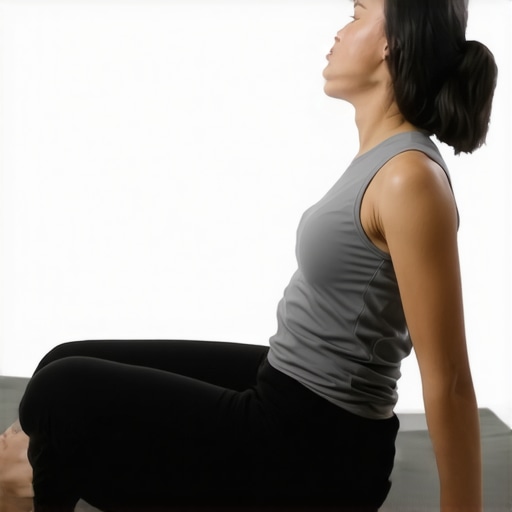
Visualize correct posture with an illustration showing proper desk setup and spinal alignment, emphasizing open chest and relaxed shoulders.
Engage in Professional Chiropractic Care
If persistent tightness remains despite self-care, consulting a chiropractor can help. They use targeted adjustments to restore joint mobility and relieve muscular restrictions. I personally visited a chiropractor who specialized in respiratory-related mobility issues, and after a few sessions, my ribcage moved freely again, making deep breaths effortless. Regular check-ups can prevent recurrent tightness and improve overall mobility. For more insights into natural mobility enhancement, visit this guide on chiropractic care.
Many assume that addressing back and neck pain involves straightforward stretches or quick fixes, but there’s a nuanced layer many overlook. Contrary to popular belief, not all pain stems from muscular tightness; sometimes, joint misalignments or nervous system responses play a bigger role. For example, a common myth is that cracking your own neck is harmless, yet recent studies reveal that such self-manipulation can risk ligament damage and exacerbate the problem (source: see the risks of self-neck cracking).
One trap to avoid is relying solely on pain relief medications, which often mask symptoms without addressing the root cause, leading to recurrent issues. Professional insights suggest that targeted chiropractic adjustments and mobility exercises can restore proper joint function and nerve health more effectively than over-the-counter solutions. If you want to delve deeper into these strategies, explore proven chiropractic techniques for mobility.
Advanced practitioners also recognize the importance of neurological factors. For instance, poor posture can lead to altered nerve signaling, perpetuating pain cycles. A specific example is forward head posture, which shifts the cervical spine and compresses nerves, causing radiating pain and headaches. Correcting this involves not just stretching, but retraining muscle activation patterns and optimizing spinal alignment. Curious about how to address this complex issue? Discover expert methods for neck and back relief.
In essence, understanding that pain isn’t just superficial muscle tension but often intertwined with joint health and nervous system function is a vital nuance. Think of your spine as a complex ecosystem: treat only the surface, and you’re missing the bigger picture. Incorporate careful adjustments, strategic mobility work, and neuro-retraining for lasting results.
Have you ever fallen into this trap? Let me know in the comments. For tailored guidance, consider exploring natural chiropractic strategies to unlock your body’s full mobility potential.Maintaining your mobility and ensuring your back and neck stay healthy over time require more than just occasional stretches. Investing in the right tools can make a significant difference, helping you develop consistency and precise technique. One of my personal favorites is the foam roller, specifically a medium-density one with ridges, which I use daily to release myofascial tension along my upper back and sides. This helps prevent muscular tightness from sneaking back in and improves my overall posture. Additionally, I rely on massage balls, especially the smaller, firm lacrosse-type balls, to target tender spots that tend to gather around the scapula and ribs. Using them against a wall allows for controlled pressure—it’s like having a personalized massage at home that deepens mobility exercises. For those dealing with persistent rib restrictions, I suggest trying a targeted self-release with a soft tennis ball, gently rolling it along your thoracic region to maintain free movement.
From a technology perspective, I highly recommend apps like the ‘Pranayama Free’ breathing exercises app, which guides you through diaphragmatic breathing routines proven to reduce tension in the core muscles and ribs. Incorporating mindful breathing not only improves your oxygen intake but also helps regulate nervous system responses that tighten up the ribs involuntarily. I integrate daily sessions into my routine, especially during stressful days.
Looking ahead, the trend in mobility maintenance leans toward intelligent, biofeedback-enabled devices that can track muscle tension and posture, providing real-time corrections. Companies are developing wearable sensors that sync with smartphones to help you optimize your movement patterns outside of the clinic, effectively turning your phone into a virtual mobility coach.
A question I often get is: “How do I maintain my mobility over months and years?” The key is consistency and using the right tools to reinforce your habits. Regularly rolling your thoracic area with a foam roller or massage ball, combined with consistent diaphragmatic breathing practice through apps, creates a sustainable routine that can keep your ribs and spine supple. Remember, small daily actions compound into lasting results.
For further guidance on incorporating these tools into your routine, check out this comprehensive resource on how chiropractic care supports mobility [here](https://quackersspinal.com/enhance-mobility-naturally-with-chiropractic-care). A concrete step you might try today is a 2-minute thoracic roll using a foam roller after your workday — it can dramatically ease rib cage restrictions and improve your breathing quality. Give it a shot, and notice how your body responds over time.
The Hard-Won Truth About Staying Mobile
One of the most profound lessons I learned is that persistent stiffness isn’t merely about tight muscles; often, it’s a sign that my nervous system or joints need precise attention. Accepting this shifted my mindset from quick fixes to a more holistic view, involving patience, targeted movement, and sometimes professional help. It’s easy to dismiss early signs of restriction, but recognizing them early can prevent long-term limitations.
Listening to Your Body’s Subtle Signals
My biggest revelation was that pain and tightness whisper clues rather than shout warnings. Learning to tune into these subtle messages made me realize that gentle mobility exercises and mindful breathing don’t just feel good—they reprogram my body to move freely. That moment when I stopped battling my body and started partnering with it was transformative in my journey towards lasting relief.
Consistency Over Quick Fixes
I used to rely on the adrenaline rush of intense stretches or quick adjustments, only to find tightness returning within hours. The real breakthrough came when I committed to daily habits—like diaphragmatic breathing and simple mobility drills—that, over time, made a noticeable difference. Small, consistent actions create durable change, far more than sporadic efforts.
My Trusted Sources for Genuine Advice
Over the years, I’ve curated resources that resonate with my approach. For instance, the comprehensive insights I found in chiropractic-guided mobility strategies have been invaluable. The knowledge shared in expert-backed relief techniques continues to shape my practice. And those practical apps guiding diaphragmatic breathing, like ‘Pranayama Free’, have become daily companions. Trusting credible sources ensures steady progress and keeps me motivated.
Embrace the Journey and Keep Moving
Remember, mastering back and neck mobility isn’t about perfection; it’s about persistence and self-compassion. Small improvements compound over time, and every effort you make is a step closer to freedom from stiffness. So, take that first gentle breath, incorporate simple mobility movements, and consider seeking professional insights when needed. Your body is resilient—nurture it with patience and care, and you’ll discover a new world of movement awaiting you.
What’s one small change you’re willing to try today to improve your mobility? Share your thoughts below—I’d love to hear your journey!
.