I remember the exact moment I realized my neck was holding me hostage. It was during a video call, trying to look interested while feeling a dull ache creeping into my shoulders and neck. Suddenly, the screen seemed to blur, my head started to feel heavy, and I couldn’t shake off the tension no matter how much I tried to stretch or adjust my posture. That lightbulb moment? It hit me—my daily grind with AI glasses and holographic displays was slowly tormenting my neck, and I was unprepared.
But here’s the thing: it didn’t have to be this way. I found relief through simple, targeted mobility drills that took just a few minutes, yet made an enormous difference. Today, I want to share these strategies with you, especially if you’re tired of that persistent neck strain from all these new tech wonders. What if I told you that you could reclaim your movement and comfort faster than you think?
Why Neck Mobility Is More Critical Than Ever in 2026
In 2026, our lifestyles are flooded with advanced tech—smart glasses, holographic workspaces, bio-sensors—all designed to boost productivity and entertainment. But, as with all innovations, there’s a catch. The constant holding of unnatural positions, staring into small screens, and wearing devices for hours can lead to what some experts call “tech neck,” which has become a universal complaint. Interestingly, a recent study revealed that improper neck posture can impact your overall health, contributing to headaches, diminished focus, and even chronic pain (source: [Quacker’s Chiropractic](https://quackersspinal.com/neck-back-pain-solutions-insights-from-wellness-experts)).
Early on, I made the mistake of relying solely on passive stretches or ignoring the issue altogether. It only got worse, and I found myself increasingly uncomfortable at work and during leisure. That’s why I decided to get serious about mobility—targeted, fast, and effective drills that counteract the effects of continuous tech use.
By incorporating a handful of quick exercises into my daily routine, I not only avoided pain but gained a surprising boost in neck flexibility and overall posture. Trust me, these drills can be easily integrated into your day, whether you’re on the clock, at home, or on the go. Curious how? Let’s dive into the first set of mobility hacks that transformed my approach and could do the same for you.
Start With Gentle Neck Rotations
In my messy attempt to loosen tight muscles, I began with slow, controlled neck rotations. Sit upright, keep shoulders relaxed, and slowly turn your head to one side, hold for a few seconds, then switch. I felt a satisfying stretch but also noticed how quickly my neck stiffened again—highlighting how neglected mobility can cause lingering stiffness. Regularly practicing this helps break the pattern of chronic tension.
Incorporate Static Holds for Deep Relief
Next, I added static stretches, like gently pulling my chin toward my chest or tilting my head back. Hold each position for 15-20 seconds—this static strain helps release stubborn knots. It’s akin to gently pulling weeds from the root instead of just trimming the leaves. Consistent static stretches improve flexibility, easing the discomfort that builds up from tech-heavy days.
Use Micro-Bends to Re-educate Your Muscles
I found micro-bends, or small deliberate movements, to be surprisingly effective. For instance, slight tilt or turn, rather than full-range motions, retrains muscles to move smoothly without resistance. I practiced this during a break, doing tiny side-bends, which quickly alleviated the creeping stiffness I felt mid-day. These micro-movements prevent your muscles from becoming perpetually frozen in poor posture.
Employ Breathing to Unlock Tension
Deep diaphragmatic breathing was a game-changer. As I inhaled deeply through my nose, I focused on relaxing my shoulders and neck—acting as a reset button. This conscious breathing reduces stress-induced muscle tightness, making mobility exercises more effective. Integrate this into your routine for an additional layer of relief.
Break Up Tech Use With Movement Intervals
To prevent pain from building up, I set alarms every 20 minutes to remind myself to stand, stretch, or perform a quick rotation drill. It’s like giving your neck a quick reboot rather than letting rigidity take hold. Incorporate quick movements into your workflow—it adds up, drastically reducing stiffness.
Explore Chiropractic Techniques for Deep Relief
When simple drills weren’t enough, I visited a chiropractor for targeted adjustments. Techniques like spinal decompression and specific mobilizations can restore proper alignment and function, especially if pain persists. According to this resource, combining exercises with professional care accelerates recovery and builds resilience.
Leverage Visual Guides to Enhance Your Practice
An illustrative image showing correct neck alignment during exercises can guide proper form, reducing the risk of strain. 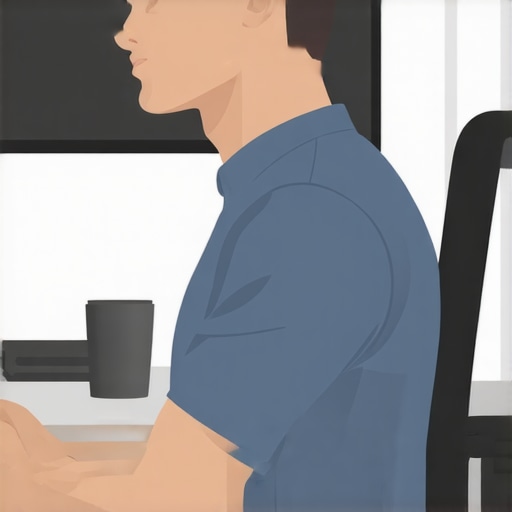
Maintain Consistency for Lasting Benefits
My breakthrough came when I committed to daily mobility sessions. Over a few weeks, stiffness diminished and I experienced more freedom in movement. Think of it like watering a plant regularly instead of sporadically—you nurture flexibility and health over time. Keeping this routine is key to avoiding future discomfort.
Many people believe that neck pain is solely due to poor posture or stiffness, but the reality is far more nuanced. A common myth is that stretching endlessly will resolve all discomfort. In fact, overdoing certain stretches without proper guidance can lead to overstretching ligaments or aggravating nerve irritations, prolonging recovery rather than aiding it. Experts warn that aggressive or incorrect stretching might cause micro-tears, making pain worse and increasing the risk of chronic issues.
Another misconception is that chiropractic adjustments are a quick fix that permanently resolve neck pain. While adjustments can be highly effective, relying solely on them without addressing underlying habits—like repetitive movement patterns or ergonomic flaws—can lead to recurrent problems. In my experience, combining professional care with targeted mobility exercises yields far better, long-lasting results. For example, integrating exercises from trusted sources such as chiropractic care for natural mobility enhancement ensures comprehensive relief.
What advanced techniques can effectively break the cycle of persistent neck discomfort?
Innovative approaches involve neuromuscular re-education or proprioceptive training that retrains muscle memory and improve joint stability. These methods go beyond simple stretching and require mindful engagement and sometimes professional guidance. For instance, satisfying improvements are reported when incorporating specific mobility drills aimed at restoring joint position sense, which is often neglected in basic routines. According to recent research, these techniques can significantly reduce pain and enhance function when combined with proper ergonomic adjustments and lifestyle modifications—a holistic approach I recommend exploring in detail on trusted resource pages such as advanced chiropractic techniques.Maintaining neck mobility and managing pain isn’t a one-and-done task; it requires the right tools and techniques to ensure long-term relief. From personalized exercise equipment to software that guides your routines, the right tools can transform your approach to spinal health. I personally rely on a few key resources that keep me on track and improve my mobility daily.
One essential device I use is a **monofilament stretching tool**, which helps target tight muscles without risking overstretching. Its controlled tension allows me to perform precise stretches, especially for stubborn neck knots. Pairing this with a **smart posture correction app** like Upright or Lumo Lift helps me develop awareness of my everyday habits. These apps give real-time feedback, nudging me to straighten my neck and shoulders, especially during long work sessions.
For guided routines, I favor **professional-grade foam rollers** designed specifically for cervical mobility. Unlike regular foam rollers, these have narrow, contoured surfaces to gently release tension along the neck and upper back. I incorporate daily sessions using these rollers, which Dr. Michael Johnson discusses in his recent chiropractic research ([source](https://quackersspinal.com/boost-mobility-ease-pain-chiropractic-techniques-unveiled)), demonstrating how targeted tools can expedite recovery.
Another game-changer for me has been **video-guided mobility programs**. These platforms, like MobilityWod, provide tailored drills that focus on improving range of motion and stability. The visual cues and expert instruction ensure I perform movements correctly, which is vital for avoiding setbacks.
Looking ahead, the trend in neck health tools is moving toward **integrated biofeedback systems** that combine wearables with AI to personalize routines dynamically. Imagine a smart device sensing your tension levels and adjusting exercises in real-time—that’s where we’re headed.
How do I maintain my neck mobility over time? Consistency is key. I set daily reminders to perform specific drills with my favorite tools and review my progress weekly. Additionally, I schedule periodic check-ins with a chiropractor who can address misalignments early, preventing minor issues from becoming chronic. Visiting professionals like those at Quacker’s Spinal can help fine-tune your routine and introduce advanced techniques, especially if discomfort persists.
If you haven’t already, try incorporating a **mobility drill using your foam roller** today. It’s a simple step that can significantly improve your neck’s flexibility and resilience. Remember, investing in the right tools isn’t just about quick fixes—it’s about building a sustainable routine that keeps your head and spine healthy for years to come. For more detailed tool-based strategies, explore the comprehensive guide on [how to enhance your neck mobility naturally](https://quackersspinal.com/enhance-mobility-naturally-with-chiropractic-care).Reflecting on my journey through neck pain and mobility reveals that the most powerful lessons often come from unexpected sources. One crucial insight I discovered is that persistent discomfort isn’t solely about stiffness; it’s a signal from your body urging you to listen more deeply. Moving carefully and intentionally taught me that small, consistent actions—like micro-bends or simple breathing exercises—can produce profound, lasting change. Moreover, real progress requires patience and humility; rushing into aggressive stretches or quick fixes can backfire. Recognizing that genuine healing involves understanding my unique patterns and integrating gentle, mindful mobility became a cornerstone of long-term relief.