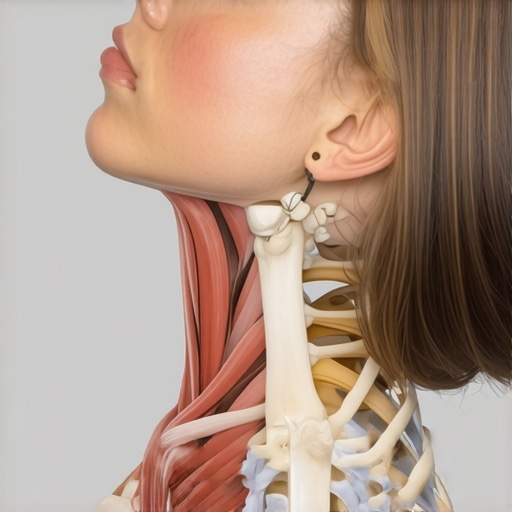
The 10-Second ‘Chin Tuck’ Mistake That’s Actually Making Your Neck Tighter
I remember the exact moment I realized I was doing it wrong during a routine stretch — my neck felt worse afterward, not better. It was a lightbulb moment that changed everything about how I approach neck mobility and pain relief. If you’ve ever tried to fix your neck stiffness and ended up feeling more confined, you’re not alone. That frustrating feeling of being stuck in a cycle of relief and regret is all too familiar to many.
Many people, myself included at first, fall into the trap of thinking that quick adjustments or simple stretches are enough to combat neck tightness. But what if I told you that a common move, the so-called
Start with Gentle Breathing and Mindfulness
Before jumping into physical exercises, focus on calming your nervous system. Sit comfortably, close your eyes, and take slow, deep breaths. Visualize tension melting away from your neck and shoulders. This mindset shifts your body’s response from tense to relaxed, making subsequent exercises more effective.
Identify and Release Trigger Points
Use your fingers to gently press along your neck and shoulders, searching for tender spots or knots. When you find a tight area, apply gentle pressure and hold for 15-20 seconds. This helps break down adhesions that restrict mobility.
Incorporate Controlled Neck Movements
Move your neck slowly through its full range of motion. Think of your neck like a hinge; you want to lubricate the joint. Turn your head side to side, tilt it forward and backward, and do gentle circles. Movements should be smooth—avoid forcing or quick jerks, which can aggravate pain.
Real-life Example:
Once, I was sitting at my desk feeling stiff after hours of work. I gently rotated my neck side to side, pausing briefly at each end. During this process, I noticed a persistent tension on one side. I focused on slow, deliberate stretches, feeling the strain release gradually. Over time, these controlled motions became a cornerstone of my daily routine.
Use Durability-Based Stretching Techniques
Apply static stretches hold for 20-30 seconds. For example, gently tilt your chin down to stretch the back of your neck, or turn your head to one side and hold. Use your hand to assist gentle stretches, ensuring no pain or discomfort occurs. This improves flexibility and range of motion.
Practice Posture Awareness Throughout the Day
Maintain awareness of your seating and device usage. Imagine your spine as a stack of building blocks—each needs to be aligned. Keep screens at eye level, sit upright, and avoid slouching. Regular posture checks prevent future strain and reinforce healthy movement patterns.
Integrate Strengthening Exercises for Stability
Strengthening the muscles supporting your neck reduces strain. Perform isometric holds by pressing your forehead into your palms without moving your neck, holding for 10 seconds. Repeat in different directions. Stronger supporting muscles mean less risk of stiffness and pain.
Establish a Daily Routine for Lasting Relief
Consistency is key. Set aside 5-10 minutes daily for these exercises. Over time, you’ll notice increased mobility and reduced pain. Think of it as brushing your teeth—small, regular actions prevent long-term issues.
Remember, quick fixes don’t work in isolation. Combining mindful breathing, trigger point release, controlled movements, stretching, posture correction, and strength-building creates a comprehensive approach. For detailed routines, consider exploring resources like these expert tips and step-by-step guides to deepen your practice.
Many believe that pain relief or improved mobility simply comes down to stretching more or adjusting posture alone. But often, this oversimplification leads to overlooked nuances that could be hindering progress. One widespread myth is that neck stiffness is always due to lack of flexibility; in reality, muscle fatigue, nerve tension, or joint dysfunction play significant roles, and addressing one without the others may be ineffective. For example, people frequently focus solely on static stretching, assuming it’s sufficient, yet they neglect the importance of controlled, dynamic movements that activate different muscle fibers and improve proprioception.
Can Strengthening or Mobility Alone Solve Chronic Neck Pain? Let’s break it down.
Contrary to popular belief, increased mobility doesn’t always mean less pain. In some cases, forcing mobility can aggravate tissues if underlying issues like joint instability or neurological factors are ignored. According to research published in the Journal of Manipulative and Physiological Therapeutics, integrating strength training and neuromuscular control exercises results in more sustainable relief than stretching alone. Remember, every body is unique—what works for one person might not suit another, especially when combined with lifestyle factors like desk ergonomics or sleep habits. Think of your body as a complex system where imbalance in one area can ripple and cause problems elsewhere.
One significant mistake is relying solely on chiropractic adjustments or passive treatments without understanding the importance of active engagement. While chiropractic care can restore joint mobility, it should be complemented with self-managed exercises and posture awareness to truly prevent recurrence. Failing to do so can create dependency, where adjustments are seen as the only solution rather than part of a holistic approach. To deepen your understanding of these advanced concepts, check out these expert tips for lasting neck relief.
Additionally, many individuals fall into the trap of quick fixes—think of those ‘instant’ neck pain solutions marketed online. These can sometimes provide temporary relief but often overlook the root cause, leading to a cycle of flare-ups. It’s crucial to differentiate between symptom suppression and addressing the underlying mechanics of your pain.
So, are you falling for any of these common misconceptions? What’s been your experience with mobility routines? Share your thoughts in the comments. Prioritizing a nuanced, informed approach will bring you closer to sustainable relief and improved function.
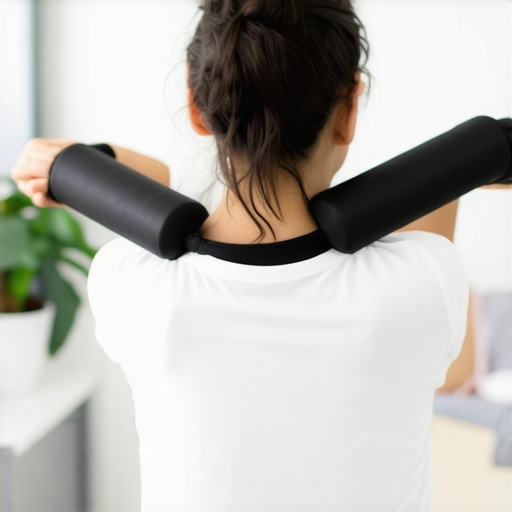
Maintaining your mobility and managing discomfort over time requires the right tools and consistent routines. One essential device I personally rely on is a foam roller with moderate firmness, which helps release myofascial knots in the neck and upper back. Unlike generic foam rollers, I prefer one with a textured surface, as it provides a more targeted massage, breaking down adhesions more effectively. Regular use, especially after prolonged desk sessions, keeps tension at bay and preserves my range of motion.
Another game-changer is a cervical traction device. I use a simple, adjustable cervical traction collar that gently elongates the neck. This tool not only alleviates nerve compression but also fosters proper alignment, reducing the risk of chronic stiffness. I recommend setting aside just five minutes daily to incorporate this into your routine. Over time, it enhances spinal health, making daily activities more comfortable.
Software tools like posture apps also play a significant role. I utilize a smartphone app that prompts me to check my posture at regular intervals. Accurate reminders and feedback help me avoid slouching and reinforce habits that support long-term health. These apps connect to wearable devices that monitor head and neck positions, alerting me when I’ve been in a poor posture for too long. Combining technology with physical tools ensures a comprehensive approach to self-management.
Long-term results hinge on consistency. Just as a chiropractor adjusts your spine, your own routine must reinforce healthy movement patterns. I recommend setting a daily schedule that includes self-myofascial release, gentle stretches, and posture checks. Over months, these small habits compound into substantial improvements in mobility and pain reduction. Think of it as investing time today for a pain-free tomorrow.
Looking ahead, I anticipate a growing trend towards biofeedback devices that not only alert you when your posture deviates but also activate gentle tactile cues to correct it instantly. Innovations like AI-powered wearable sensors will fine-tune your movements and activate personalized correction protocols in real-time, making maintenance as intuitive as having a personal trainer at your side.
How do I preserve my neck and back health over the years?
To sustain your gains, incorporate simple, effective techniques into your daily routine. For instance, I highly recommend trying the trigger point release method described earlier—it’s surprisingly easy and incredibly effective in alleviating persistent knots. Regularly scheduled mobility drills, combined with the right tools, form the foundation of long-term health. Remember, consistency trumps intensity; small daily actions are what build resilience and flexibility over time.
For more detailed routines and expert insights, explore resources like these proven tips to keep your spine and neck functioning optimally and avoid the setbacks of neglect. Embrace your proactive approach now, and your future self will thank you—start with trying out a cervical traction device today and feel the difference.
< >
>
The Hardest Lesson I Learned About Neck Mobility and Pain Relief
One of the most profound realizations I encountered was that pushing through pain with aggressive stretches often backfired. I used to think that if I stretched harder, I’d loosen up faster. But I learned that gentle, mindful movements and respecting my body’s signals lead to sustainable progress instead of temporary relief.
Why Posture Isn’t Just About Standing Tall – It’s About Awareness
Consistently checking in with my body’s alignment taught me that posture correction isn’t a one-time fix. It’s an ongoing practice of mindfulness and adjustment, especially during long desk hours. This awareness transformed my approach from reactive to proactive in maintaining neck and back health.
Small, Daily Changes Outweigh Big Routines
Implementing brief daily routines—like a few minutes of trigger point release and controlled neck movements—created more lasting benefits than sporadic, intense therapy sessions. The key is consistency and making these practices a natural part of my day.
Listening to My Body Saved Me From Future Injuries
Ignoring early signs of tension or discomfort only prolonged recovery times. Learning to recognize and respond to these cues prevented minor issues from escalating into chronic pain, emphasizing the importance of body awareness in my regimen.
My Essential Toolkit for Lasting Neck Health
Over time, I found that tools like textured foam rollers (which you can explore here) and cervical traction devices significantly enhanced my routine. These resources helped me target knots and cervical misalignments effectively, reinforcing my journey toward mobility and pain relief.
Let Your Experience Be Your Guide
The most valuable insight I can share is that each body responds uniquely. What worked wonders for me might differ for you. Embrace a personalized approach, educate yourself, and be patient—your future self will thank you for the sustained effort.
Your Next Step Toward Freedom of Movement
Remember, addressing neck pain and mobility isn’t about quick fixes—it’s a continuous journey of awareness, gentle practice, and proactive care. Start small, stay consistent, and celebrate your progress.
Have you noticed a particular movement or routine that made a noticeable difference in your neck health? Share your experience below—your story might inspire someone else on this path to wellness.