The 10-Second Jaw Release for Chronic Tension Headaches
I remember the day vividly—sitting at my desk, frustration creeping in as yet another headache thudded behind my eyes. It was a familiar pain, one I had come to accept as part of my daily grind, but this time, it felt different. As I clenched my jaw in desperation, a sudden realization hit me—maybe, just maybe, relieving tension in my jaw could ease those relentless headaches.
Discovering a Simple Trick That Changed Everything
After years of trying various remedies—massage, medications, even numerous visits to specialists—I stumbled upon a technique that took just ten seconds to perform. This little motion, which I now call the “10-Second Jaw Release,” has turned my approach to managing chronic tension headaches upside down. The best part? It’s straightforward, quick, and surprisingly effective.
What I want to share today is a hope for those who feel at their wit’s end, exhausted from trial and error. If you’re tired of masking the pain with pills or feeling resigned to a life of discomfort, then keep reading. We’re about to explore how a simple jaw release can be your new best friend in the fight against chronic tension headaches.
Could a 10-Second Habit Help You?
Before we dive into the how-to, let me be honest—I made a critical mistake early on. I thought that muscle tension was solely about my neck or shoulders, neglecting the jaw as a hidden culprit. That oversight delayed my relief and taught me a valuable lesson: the body is interconnected, and addressing one area often helps others. To learn more about how jaw tension influences overall neck health, check out this detailed article.
Now, I’d love to hear—have you ever experienced a headache so stubborn that you’d try just about anything to make it stop? If yes, then rest assured you’re not alone. The good news is, with a little guidance, this simple technique can be integrated into your daily routine, offering quick relief and preventing future headaches from taking over your day.
In the next section, I’ll walk you through the step-by-step process of mastering the 10-Second Jaw Release, along with some tips to ensure you get the most benefit from it. Ready to reclaim your comfort? Let’s get started.
Getting Comfortable with the 10-Second Jaw Release
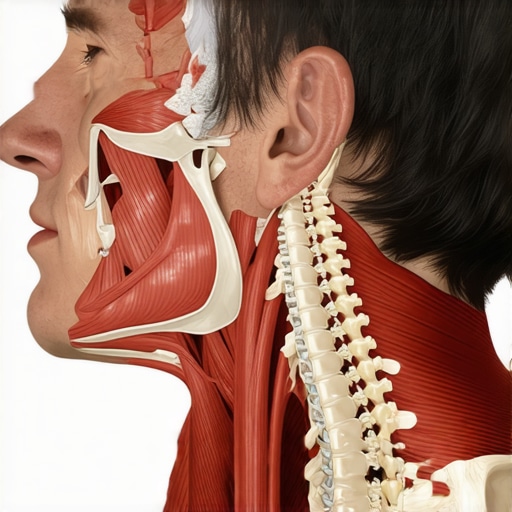
Start by ensuring you’re seated in a relaxed position, shoulders down, and chin slightly tucked. Place your fingertips gently on your jaw muscles—just in front of your ears—and identify any tension. Then, slowly open your mouth wide, as if yawning, but only for about five seconds, focusing on relaxing all jaw muscles. Close your mouth slowly, feeling the tension melt away. I remember experimenting with this during a hectic afternoon—initially, my jaw fluttered open too quickly, and I almost lost control, but with patience, I perfected a smooth motion that relieved pressure quickly.
Synchronizing Movement with Breathing
synchronize your jaw release with inhaling and exhaling deeply through your nose—inhale as you open, exhale as you close. This not only increases relaxation but amplifies the tension release. One hectic day, I found doing this breathing synchronized with the jaw movement significantly reduced my headache intensity within seconds. This simple coordination is a game-changer, making the technique more effective.
Applying Gentle Pressure for Greater Effect
After mastering the basic motion, try applying gentle resistance with your fingertips while opening your mouth. Think of trying to open a stubborn door but without forcing it—just enough to engage the muscles for a more thorough release. During a particularly stubborn headache attack, I noticed that applying light pressure helped loosen my jaw muscles more effectively, leading to quicker relief. Remember, avoid overdoing it—gentle is key here.
Integrating the Technique into Daily Routine
Consistency turns one-time relief into lasting benefits. Incorporate the jaw release into your morning stretching or during breaks at work—just a few seconds can preempt headaches. I started doing this during my coffee breaks, and over a week, I experienced fewer headaches overall. Repetition trains muscle memory, making the relief feel almost automatic over time.
Ensuring Proper Posture to Maximize Benefits
Your jaw muscles don’t work in isolation—they’re interconnected with neck and shoulder muscles. So, maintain good posture, especially when performing the release. Slouching can perpetuate tension, negating the benefits. For example, I noticed my headaches worsened when I was hunched over my desk. Adjusting my sitting posture and combining it with the jaw release amplified my relief, and I found myself more comfortable throughout the day. To explore more about spinal health and how it influences head and neck tension, visit this guide.
 Many people assume that back pain is simply a matter of stiffness or a minor injury that needs rest or medication. However, as a seasoned practitioner, I can tell you that misconceptions run deep. A common myth is that rest alone will heal your back, but in reality, prolonged inactivity can weaken stabilizing muscles and prolong pain episodes. Instead, active rehabilitation and targeted chiropractic adjustments address the root causes more effectively. Recognizing this nuance can prevent years of unnecessary suffering. Another widespread mistake involves overlooking the interconnectedness of our musculoskeletal system. For instance, neck tension often contributes to lower back discomfort, yet many focus solely on the site of pain, ignoring the entire kinetic chain. Visiting neck pain specialists reveals how resolving cervical tension can enhance lumbar mobility.
An advanced question many ask is: How do subtle postural habits contribute to chronic pain despite normal imaging? The answer lies in the dynamic nature of our spine and muscles. Even minor misalignments or muscular imbalances can cause compensatory movements that degrade joint and soft tissue health over time. This is why relying exclusively on static imaging like MRI might miss functional dysfunctions. Experts emphasize the importance of motion-based assessments to uncover these issues, which can be addressed with specialized chiropractic techniques found here.
Beware the trap of assuming all chiropractic care is the same. While many believe adjustments are the sole solution, the most effective approaches combine soft tissue therapy, mobility exercises, and postural education. This holistic methodology ensures lasting relief, avoiding the cycle of temporary fixes. To learn how personalized strategies restore mobility, check this comprehensive guide. Remember, integrating these insights into your routine can dramatically change your relationship with pain. Have you ever fallen into this trap? Let me know in the comments.Maintaining your back and neck health over time requires the right blend of tools, techniques, and consistent habits. First, investing in a high-quality ergonomic chair adjusted correctly for your body is crucial. I personally favor the Aeron chair because of its adjustable lumbar support, which helps maintain proper spinal alignment during long work hours, reducing cumulative stress. Additionally, a portable foam roller, like the TriggerPoint GRID, is invaluable for daily self-myofascial release, especially targeting tight areas in the upper back and neck to prevent chronic tension buildup. Incorporating a flexion-extension cervical device, such as the Neck Hammock, can aid in gentle neck mobilization, promoting circulation and reducing stiffness. Software-wise, I recommend using posture tracking apps like Nekoze Pro, which remind me to correct my posture regularly, especially during sedentary days. Looking ahead, advancements like smart wearable devices that monitor muscular strain and provide real-time feedback will become more accessible, making proactive maintenance even easier.
How do I keep my mobility routine effective over time?
One key is consistency; integrating quick daily routines, such as the 10-Second Jaw Release we discussed earlier, can prevent tension from settling in. Regularly scheduled chiropractic check-ins, particularly focused on spinal mobility and soft tissue health, help address issues before they escalate. Remember, the goal isn’t just quick relief but building a sustainable system that supports your activity levels and long-term comfort. To maximize your ongoing efforts, I suggest combining mobility tools with tailored chiropractic strategies—learn more about proven approaches at this resource.” 
The image shows a person using a foam roller and ergonomic accessories at their home office, promoting mobility and posture health.
3 Surprising Truths That Changed My Approach to Back and Neck Pain
One of the most unexpected lessons I learned was that persistent pain often hides behind overlooked muscles and subtle posture habits. Recognizing the interconnectedness of our body’s systems helped me realize that targeted chiropractic care combined with daily mobility routines is far more effective than generic stretches or medications alone. Additionally, I discovered that patience and consistency are key—quick fixes rarely produce lasting relief, but small, mindful adjustments accumulate into significant improvement over time.
My Top Tools for Staying Mobile and Pain-Free
Beyond manual therapies, I’ve come to rely on practical tools like ergonomic chairs and foam rollers, which help maintain proper alignment and release tight muscles daily. Books such as this guide offered insights into movement strategies that transformed my understanding of spinal health. Trusting reputable sources and personalized strategies paved my way toward sustained comfort and mobility.
Keep Moving Forward: Embrace Your Journey to Better Wellness
If you’re tired of feeling trapped by chronic back and neck pain, remember that progress starts with small, consistent steps. Your body is resilient and capable of change—commit to embracing gentle movements, proper posture, and informed self-care. The path toward pain-free living is uniquely yours, and every effort counts. Are you ready to take that first step toward lasting relief? Share your experiences or questions below—I’d love to hear your story.