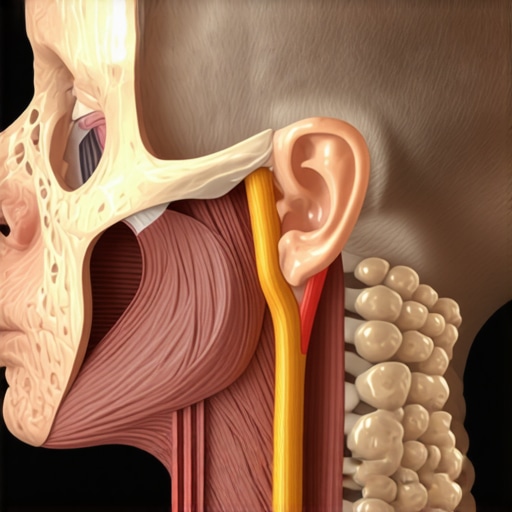
The 2-Minute Drill for Tech Neck Relief
I remember the moment vividly. I was sitting at my desk, exhausted, when a sharp twinge in my neck made me realize I couldn’t turn my head without pain. It hit me hard—how many hours had I spent hunched over my laptop, ignoring those tiny aches that quietly became a constant companion? That lightbulb moment led me to discover something surprisingly simple yet incredibly effective: the 2-Minute Drill for Tech Neck Relief. If you’ve ever felt that stiffness creeping into your neck after a long day, you know exactly what I mean.
Why Neck Pain Seems to Sabotage Your Day—and Your Mood
Neck discomfort isn’t just about a stiff feeling—they say that your neck is the gateway to your overall well-being. When your neck hurts, everything feels a little harder. Tasks become more exhausting, sleep gets disrupted, and even your mood can take a nosedive. I used to believe that a visit to the chiropractor was the only fix, but after many fruitless appointments, I realized that most relief actually comes from simple, targeted movements you can do yourself—like this quick drill.
What’s fascinating is how common this problem really is. According to the American Chiropractic Association, nearly 80% of people will experience neck pain at some point in their lives. And the worst part? Many of us dismiss it, thinking it’s just part of aging or sitting too long. The truth is, with just a few minutes a day, you can make a remarkable difference.
But here’s the kicker—early on, I made a mistake that delayed my recovery. I thought sticking with static stretches was enough. Boy, was I wrong. Dynamic, controlled movements helped me unlock my neck’s natural mobility, and that’s exactly what I want to share with you today.
Are you tired of waking up stiff or feeling pain snap at the wrong movement? Keep reading, because what’s coming next could be the game-changer you need to reclaim your comfort and mobility.
Get Comfortable with Controlled Movements
Start by sitting upright in a chair with your feet flat on the floor. Place your hands gently on your lap. As I did during a hectic afternoon, I found that slow, deliberate movements immediately calmed my tense neck muscles. These controlled motions prevent you from overstretching, much like how a gentle wind eases a stormy sea.
Practice Neck Rolls
Slowly roll your head in a circular motion, first clockwise, then counterclockwise. Keep the movement smooth and within a comfortable range. During my first attempt, I paused when I felt tension, ensuring I didn’t push into pain. This technique enhances mobility by lubricating joint surfaces—think of it as oiling hinges that squeak from disuse. Want to see how to do it correctly? Check out this expert guide.
Implement Lateral Inclines
Gently tilt your head toward your shoulder, hold for a second, then return to center. Repeat on the other side. I vividly remember my first try; initially, I tilted too far and experienced discomfort, so I adjusted based on my body’s signals. This move stretches the side neck muscles and promotes flexibility—like stretching a rubber band before snapping it back into place.
Introduce Dynamic Stretches for Lasting Relief
After static movements, dynamic actions help engage muscles and improve range. During my messy first attempt, I combined gentle head nods with upper back extensions. Performance is key here: moving through a pain-free arc enhances blood flow and reduces stiffness.
Perform the Chin Tuck
Begin by sitting with your shoulders relaxed. Tuck your chin towards your chest, creating a double chin, then gently lift your head back to neutral. Repeat 10 times. I felt a significant release in tension once I mastered this, much like adjusting a squeaky door hinge until it moves smoothly. This exercise re-establishes the natural curve of your neck, vital for healthy spinal function. Curious about deeper techniques? Visit chiropractic strategies.
Engage in Isometric Holds
Put your hand against your forehead and press gently, resisting the movement with your neck muscles. Hold for 5 seconds, then relax. Repeat by pressing against each side of your head. This is like pushing against a wall; it strengthens muscles without strain. I noticed improved support around my neck after a few sessions, akin to reinforcing a wobbly fence.
Incorporate Breathing to Maximize Impact
Deep, diaphragmatic breathing amplifies relaxation. During my initial practice, I focused on slow inhalation through my nose, filling my belly. Combining breath with movement enhances oxygen flow and eases muscle tension—like a relaxing wind that clears clouds. For a comprehensive approach, see step-by-step guides.
Bridge the Gap After Exercises
Finally, maintain your new mobility by adjusting your daily posture. During my experimenting stage, I set a reminder to check my sitting position, much like calibrating a machine regularly. Use ergonomic supports or frequent breaks to prevent regression. Want more tips? Explore chiropractic techniques to reinforce progress.
Many people believe that simply stretching or strengthening muscles is enough to solve persistent back and neck pain. However, this oversimplification can lead to missed nuances important for lasting relief. One widespread misconception is that all pain is due to muscular weakness, ignoring the fact that joint health and neurological factors play critical roles. For instance, a study published in the Journal of Manipulative and Physiological Therapeutics highlights how joint malalignments often perpetuate chronic pain, yet many practitioners focus solely on muscle rehab, potentially overlooking the root cause.
Are You Falling for the Static Stretch Trap?Keeping It Working: Tools I Recommend for Lasting Mobility
Achieving relief from back and neck pain is just the beginning—maintaining that progress requires the right tools and consistent habits. One device I personally swear by is a high-quality foam roller. It’s not just about muscle knots; I use mine daily to promote fascia release and improve circulation, which is vital for preventing stiffness. For targeting the deeper tissues, I recommend the Theracane massage tool, as its ergonomic design allows me to reach hard spots without straining my shoulders. Incorporating a balance ball into my routine, specifically a 65cm exercise ball, helps reinforce core stability while making me mindful of my posture throughout the day.
On the software side, I rely heavily on posture reminder apps like Upright or Perfect Posture, which gently alert me when I slouch or hunch over my desk. These alerts help me develop a habit of checking in with my body, ultimately reducing strain. For tracking progress, I use a simple journal to note sensations after exercises and adjustments, giving me data to fine-tune my routine over time.
Looking ahead, I believe wearable technology will become even more integrated into spine and mobility health, with sensors providing real-time feedback and tailored exercises. The future might include smart clothing capable of monitoring posture continuously, giving instant corrective cues to prevent long-term issues. As this trend develops, staying updated through trusted resources like professional insights will be key to leveraging new tools effectively.
How do I maintain my back and neck health over time?
Consistency is critical. I schedule daily mobility drills and set reminders for posture checks. Periodic professional assessments, such as chiropractic evaluations, help identify any misalignments before they become chronic. Regularly updating my toolkit—like switching to newer foam rollers with improved ergonomic features—keeps my routine effective and engaging. Remember, technology like the latest posture correction devices will only be as good as your commitment to use them. Start by choosing one or two tools that resonate with you, and integrate them gradually into your daily routine. Want practical guidance on fine-tuning your habits? Check out these chiropractor-approved hacks for sustained relief. Additionally, trying the simple sleep adjustments can make a significant difference in your long-term progress. Remember, the key is consistency—think of your tools as investments into your ongoing wellness journey.
The Hardest Lesson I Learned About Mobility and Chronic Pain
One of my most profound realizations was that persistent neck and back pain often stem from overlooked joint health rather than just muscle weakness. That insight pushed me to look beyond stretching and strengthening, leading me to focus on joint alignment and neurological factors, transforming my recovery approach and emphasizing a holistic view of spinal health.
Tools That Transformed My Daily Routine
Over time, I incorporated resources like a high-quality foam roller and ergonomic supports into my routine. These tools, combined with professional guidance from trusted sources like back pain relief tips, became essential in maintaining my mobility gains. They serve as tangible investments in ongoing neck and back health, reinforcing habits I practice daily.
Your Path to Lasting Wellness Starts Now
Remember, prioritizing consistent movement, mindful posture, and the proper tools can make a significant difference. Your journey to pain-free neck and back mobility is unique, and each small step adds up. Don’t hesitate—take that first step today to embrace a healthier, more mobile life. Honestly, what’s one small change you’re willing to try this week to improve your neck or back health? Share below—I’d love to hear your story.