The ‘Belly Breath’ trick to relax a seizing lower back
It happened again—the dreadful, sharp jolt in my lower back during a mundane afternoon. One minute I was sitting comfortably, and the next, my muscles clenched as if they’d decided to betray me. I was frustrated, helpless even, because I’d tried everything: stretching, heat packs, even rushing to my chiropractor. But nothing seemed to work on that sudden surge of pain. Then, in a moment of quiet desperation, I remembered something I’d read about the power of breathing—specifically, an old technique called the ‘Belly Breath.’ I gave it a shot, and to my surprise, the tension began to melt away, almost instantly. That lightbulb moment changed my approach forever.
Why Simplifying Your Breath Can Calm a Seizing Back
The truth is, our bodies often hold tension in ways we don’t fully realize. When the lower back seizes, it’s not just a muscular hiccup; it’s your body’s way of signaling that something’s off—be it stress, poor posture, or limited mobility. For years, I believed I needed complicated treatments or invasive remedies. Then I stumbled upon a simple, natural trick: using controlled belly breathing to activate the body’s relaxation response. This method isn’t just anecdotal; experts support its benefits. According to a study published by the Harvard Medical School, diaphragmatic breathing can significantly reduce cortisol levels, helping you manage stress and muscle tension more effectively.
If you’ve ever experienced that horrible, uncontrollable spasm in your lower back, you’re not alone. I’ve been there, and I know how frustrating it feels when no quick fix seems to bring relief. The good news? There’s a straightforward, accessible technique that I now swear by—one that you can learn and use anytime, anywhere.
What’s Really Going On When Your Back Cracks Up
Earlier in my journey, I made a mistake many beginners do: I underestimated the power of breath. I thought that muscles alone were to blame and that quick stretches or cold packs were silver bullets. But I was missing a crucial piece of the puzzle—the nervous system’s role in muscle tightness. When I learned to focus on my breath, especially deep belly breaths, I began to notice a real difference. This approach helps reset your nervous system, giving your muscles the permission to relax.
Curious to try it out? The next section will walk you through the exact steps. Trust me, once you get the hang of it, you’ll wonder how you ever managed without this simple technique to soothe your seizing lower back. If you’re tired of temporary fixes and want lasting relief, keep reading.
Start with a Comfortable Position
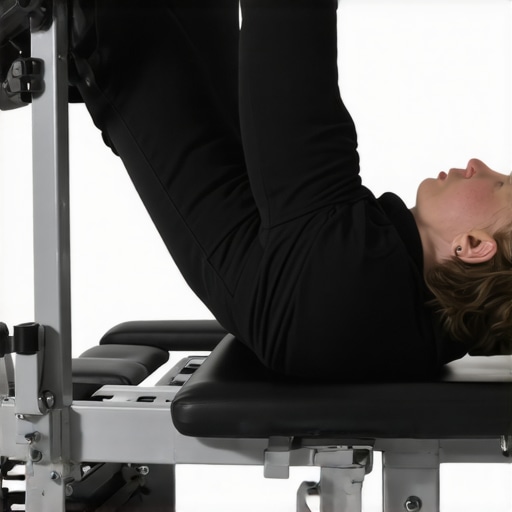
Find a quiet space where you can sit or lie down without interruptions. Sit upright if possible, with your feet flat on the ground, or lie flat with support under your knees. I remember once trying this on my couch during a flare-up; sidestepping my usual stiff chair made all the difference in relaxing my muscles.
Engage Deep Belly Breathing
Place Your Hands Correctly
Rest one hand on your chest and the other on your abdomen, just below your rib cage. This setup helps you focus on diaphragmatic movement rather than shallow chest breathing. During my initial attempts, I kept instinctively using my chest, but focusing on my belly was the breakthrough — it felt like I was teaching my body how to relax from within.
Inhale Slowly Through Your Nose
Take a deep breath in through your nose, aiming to expand your belly — not your chest. Imagine filling a balloon in your abdomen. It’s similar to blowing up a big, soft balloon slowly; the process should feel smooth and gentle, not forced. As I did this, I noticed my lower back tension started to ease because I was signaling my nervous system to switch from stress mode to relaxation.
Hold Your Breath Briefly
Keep the breath inside for about 3 to 4 seconds. This pause gives your muscles and nervous system a moment to process the oxygen and relax further. I found that rushing this part made the tension linger or even increase, so patience truly pays off.
Exhale Calmly and Fully
Then, exhale slowly through pursed lips or your nose, whichever feels more natural. Focus on pushing the air out gently while forcing your belly to deflate like a deflating balloon. I remember once I tried to exhale too quickly; it actually caused more tension. Consistency and slow exhalation are key to calming those tight muscles.
Repeat and Fine-Tune
Do this breathing cycle 10 to 15 times. As you progress, aim to extend your inhales and exhales gradually, enhancing your relaxation response. During one episode, I committed to this practice for five minutes straight; afterward, I felt a noticeable decrease in muscle spasms and a renewed sense of control. Over time, this simple routine became my go-to tool for managing sudden back tension.
Integrate During Daily Activities
Practice this belly breathing whenever you feel stressed or notice early signs of back tightening. Whether during work, after sitting for a long time, or before bed, harnessing controlled breath can prevent small twinges from escalating into full-blown spasms. For advanced techniques and additional methods to enhance your mobility, consider exploring our comprehensive guide on enhancing mobility naturally. Remember, mastering your breath isn’t just about immediate pain relief; it’s a vital part of long-term back health.Many people believe that chiropractic adjustments are a quick fix or only effective for neck and back pain, but this misconception overlooks the nuanced ways chiropractic can support overall mobility and wellness. One prevalent myth is that chiropractors merely ‘crack’ joints for immediate relief, when in reality, skilled practitioners focus on restoring proper joint function, nervous system health, and muscular balance, which can lead to lasting improvements. Relying solely on temporary relief methods like painkillers or passive therapies without addressing underlying issues often results in recurring problems and worsened mobility over time. For example, a systematic review published in the Journal of Manipulative and Physiological Therapeutics indicates that chiropractic care can be more effective than conventional treatments for some chronic conditions, especially when combined with active rehabilitation.
It’s a common trap to underappreciate the importance of patient engagement in the recovery process. Many assume that a single adjustment suffices, but true progress involves a combination of precise chiropractic interventions, targeted exercises, and lifestyle modifications. Overlooking this holistic approach can lead to setbacks and frustration. Moreover, some believe that chiropractic care isn’t suitable for older populations, yet expert consensus shows that gentle, tailored chiropractic techniques can significantly enhance mobility and quality of life for seniors.
A critical nuance often missed is the role of the nervous system in musculoskeletal health. Chiropractic doctors aim to optimize nerve flow, which influences muscle function, joint health, and overall movement. This is why addressing issues like poor posture or repetitive strain requires more than just symptomatic treatment; it demands a strategic approach to realign the spine and retrain movement patterns. For advanced insights, check how chiropractic techniques can help ‘Unlock Your Neck and Back Mobility’ by addressing root causes rather than just symptoms.
Avoid falling into the trap of simplistic solutions or myths that can delay your recovery. Instead, seek comprehensive care that considers your unique biomechanics and lifestyle. Curious to learn more about how detailed chiropractic strategies can transform your mobility? Visit our expert guides or get in touch with a professional at [here](https://quackersspinal.com/contact-us). Remember, understanding the hidden nuances can make all the difference in achieving lasting wellness.
Have you ever fallen into this trap? Let me know in the comments.Maintaining a healthy back over the long term requires a strategic approach with the right tools and habits. Personally, I rely heavily on a few specific devices that have revolutionized my mobility and pain management. One essential item is a **foam roller**, particularly the deep tissue varieties like the RumbleRoller. I use it daily to release trigger points in my lower back and hamstrings, which are often culprits in recurrent pain. Regular self-myofascial release not only prevents tightness but also enhances circulation, accelerating recovery.
Another cornerstone in my toolkit is a **stretching strap**, which helps me achieve optimal ranges in my hamstrings and hip flexors without risking overstretching. Proper flexibility in these areas directly influences spinal alignment and reduces strain. I’ve found that incorporating **smart posture devices**—like ergonomic foot supports or adjustable chairs—makes a noticeable difference in how my spine feels throughout the day.
Beyond physical tools, I’ve adopted specific **software**, such as posture-tracking apps that remind me to sit or move. These apps interface with wearables or even webcam-based AI, nudging me to correct habits before they become problematic. This proactive monitor helps me sustain good habits, especially during long work sessions.
Predicting where this trend is going, I see a rise in **AI-integrated biofeedback devices** that can personalize back health routines based on real-time data. Imagine a device that not only alerts you when you slouch but also guides you through tailored exercises immediately.
### How do I maintain longevity with these tools?
Consistency is key. I set daily routines that incorporate foam rolling and stretching, and I schedule regular check-ins with my chiropractor to ensure my alignment is on point. It’s tempting to neglect daily practices, but building these into your routine creates a resilient back over time. For those interested in a comprehensive plan, I recommend visiting our **mastering back and neck pain relief** guide, which offers step-by-step strategies.
Adding advanced techniques like **trigger point therapy with a handheld massager** can further expedite relief. I’ve personally experienced significant improvements when complementing self-care with professional chiropractic adjustments—something I discuss more in our detailed article on [how chiropractic care transforms lives](https://quackersspinal.com/back-pain-recovery-how-chiropractic-care-transforms-lives). To truly make this sustainable, I encourage trying a combination of physical tools and digital monitoring. Start with a foam roller for just five minutes daily, and observe how your body responds. It’s a small investment that can pay huge dividends in your mobility health.Over years of battling persistent back pain, I discovered that some of the most profound lessons came from unexpected sources—like the power of simple breathing techniques and adopting a holistic perspective. One key insight was realizing that muscle tension isn’t just about physical strain but often rooted in nervous system responses that we can influence consciously. Embracing practices like diaphragmatic breathing allowed me to reset my body’s stress response, leading to lasting improvements in mobility. Additionally, understanding the nuanced role of posture and daily habits underscored the importance of consistency and self-awareness in managing back health. These lessons taught me that wellness isn’t achieved through quick fixes but through mindful, integrated approaches—lessons I wish I had known earlier in my journey.