The ‘Dead Bug’ variation for people who hate core workouts
Ever found yourself sprawled on the couch after a long day, your back aching and your neck stiff, wishing there was a way to ease the discomfort without cracking the same old crunchy exercises? I’ve been there. I remember the moment I realized that the classic core workouts I’d been told were essential actually made my lower back worse, not better. It felt like every move was pulling more tension into my spine rather than relieving it. That lightbulb moment led me to discover a surprisingly effective, low-impact exercise that even those who hate traditional core work can embrace—the Dead Bug variation.
Why Many Core Exercises Fail People Like Us—and How the Dead Bug Fits In
For years, I struggled with back pain, trying everything from crunches to planks. But the truth is, many of these exercises force your spine into positions that can exacerbate existing issues, especially if performed improperly. When I made a mistake early on—overarching my lower back during crunches—I only reinforced the problem instead of fixing it. This is a common slip, and I see it all the time in my practice. The solution I found that made the biggest difference was simplifying my approach and focusing on low-impact, controlled movements that help rebuild core stability without strain.
Is the Dead Bug Actually Worth the Hype?
Honestly, I was skeptical at first. I thought, “How effective can a tiny movement be?” But after trying it myself, I was amazed. The Dead Bug not only supported my core but also improved my back’s stability without putting pressure on my spine. Plus, it’s gentle enough for anyone who hates traditional core routines or has mobility issues. If you’ve been avoiding core work because it seems intimidating or painful, this might just change your perspective.
And yes, I’ve made my share of mistakes—like rushing through the reps or neglecting proper form—that only hampered my progress. Learning the right technique was essential. If you’re interested, you can explore more about restoring back mobility and core strength with expert tips designed for people who want to avoid pain and build stability smartly.
This post will walk you through how to perform the Dead Bug correctly, and why it’s a game-changer for anyone looking to improve their core without risking further injury. Ready to get started? Let’s go!
Getting into the Right Position
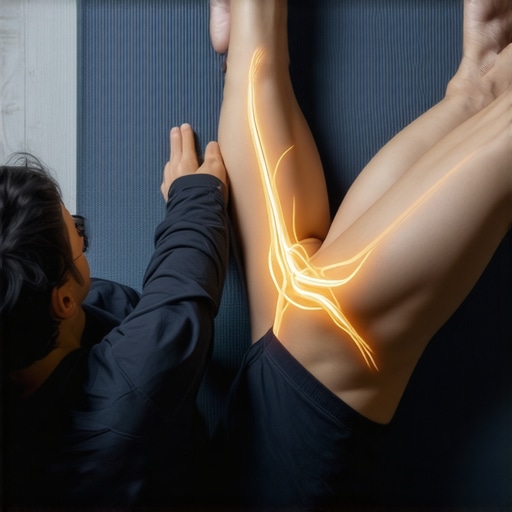
Lie flat on your back on a comfortable, firm surface with your arms extended straight up toward the ceiling and knees bent at a 90-degree angle over your hips. This position isolates your core without strain. I remember the first time I tried this setup; it felt unstable at first, but that instability was part of the learning process. Ensuring your lower back is pressed gently into the floor is crucial to prevent overarching, which can aggravate back pain. Place your hands on your thighs to maintain awareness of your positioning and prevent your pelvis from tilting.
Engaging the Core Properly
Before moving your limbs, tighten your abdominal muscles as if bracing for a gentle punch—think of this as pulling your belly button toward your spine. Use your exhale to activate this engagement, creating a stable corset around your spine. I once hurried through this step, and my back jolted afterward—reminding me how vital controlled engagement is. Remember, the goal is stability, not hollowing or huge bulges, which could increase pressure on your spine.
The Slow and Steady Repetition
Lower your right arm and extend it behind your head, while simultaneously straightening your left leg toward the floor, without letting your lower back lift. Pause briefly, then return to the starting position. Then switch sides, lowering your left arm and extending your right leg. The key is slow, controlled movement—imagine moving through molasses—this prevents momentum from taking over, which can compromise your spine’s safety. During my first attempts, I was tempted to speed up, but I learned that deliberate, mindful motion yields better results and reduces risk of strain.
Breathing and Posture in Action
Maintain steady breathing throughout—inhale as you set up, exhale and gently activate your core as you move limbs. This breathing pattern helps sustain stability and prevents holding your breath, which could increase intra-abdominal pressure and back pain. I found that syncing my breath with movement made the exercise more manageable and less tense, especially when I focused on exhaling during the effort phase.
Refining Technique and Avoiding Common Mistakes
Make sure your movement is tiny—fingertip to fingertip or toe to heel—never reaching too far, which causes instability. A common mistake I made was lob-sided movements, emphasizing one side, which threw off my balance and prolonged recovery. Keep your movements symmetrical and controlled, focusing on quality over quantity. If you experience any discomfort or your back arches excessively, pause and reassess your form or consult an expert on how to improve posture during daily activities.
Building the Habit and Tracking Progress
Start with a few repetitions—maybe 5 per side—and gradually increase as your core stabilizes. Remember, consistency is more important than intensity here. I kept a journal tracking my reps and how I felt during each session; this helped me notice improvements over time, such as reduced back discomfort and increased control. Visual markers like improved ability to hold the positions longer or smoother movement are signs you’re gaining strength safely.
Implementing these concrete steps with patience and attention to form will turn the Dead Bug from a strange exercise into an effective tool against back pain, supporting your spine with safe, low-impact core strength. That way, you get stronger without risking setbacks—a crucial balance in spinal health.
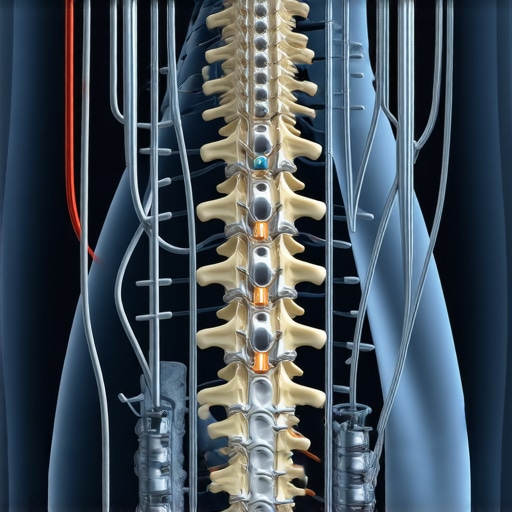
Many assume that all back and neck pain stems from poor posture or injury, but in reality, there are subtler factors at play—nuances that even seasoned practitioners sometimes overlook. A common misconception is that pain always correlates directly with tissue damage. According to expert research from *The Journal of Orthopaedic & Sports Physical Therapy*, chronic pain often persists even after repairs are complete, indicating that the nervous system and brain’s processing may be at fault rather than just structural issues. This shifts the focus from merely fixing tissues to addressing neural and biomechanical factors.
Another nuanced point involves the role of mobility restrictions, which many believe are purely due to muscle tightness. However, restrictions often originate from joint dysfunctions or compensatory movement patterns that develop over years, leading to ‘forgotten’ issues that are not visible on standard imaging. Correctly diagnosing these requires a holistic and detailed assessment, something I emphasize in my practice to avoid common pitfalls.
Be cautious of the trap of over-reliance on chiropractic adjustments alone. While adjustments can provide relief, they don’t address underlying system dysfunctions—like motor control deficits or movement sequencing issues—that perpetuate pain cycles. Incorporating targeted exercises and neuro-muscular retraining makes a significant difference, as outlined in recent studies highlighting the importance of integrating multiple modalities.
How does the brain influence chronic pain beyond physical injury?
Your brain’s perception plays a pivotal role in chronic pain conditions. Neuroimaging studies reveal that the brain’s pain network can remain hyperactive even after tissue healing, suggesting that pain become a learned response rather than a mere signal of injury. Techniques such as cognitive behavioral therapy and mindful movement can help rewire these pathways, reducing pain perception over time. For example, addressing fear-avoidance behaviors through education and graded activity can facilitate better outcomes, as supported by clinical guidelines from the *American College of Rheumatology*.
Understanding these deeper factors underscores the importance of a comprehensive approach—one that considers neural, biomechanical, and behavioral components. This perspective helps prevent recurrent issues and promotes sustainable mobility.
If you’re tired of temporary fixes and want to dive into strategies that target the root cause, I recommend exploring how restoring proper spinal alignment and addressing neural plasticity can transform your pain experience. For targeted guidance, see my resource on restoring your back mobility with proven chiropractic strategies. Discovering these hidden nuances can radically change your journey toward lasting relief.
Have you ever fallen into this trap? Let me know in the comments about your experience and questions.
Keeping Your Back and Neck Healthy Over Time
Maintaining spinal health isn’t a one-time effort; it requires a strategic approach, consistent tools, and mindful routines. Personally, I rely on specific equipment and methods that have proven effective in my practice and daily life. Investing in quality tools and establishing routine maintenance can significantly prolong the benefits of chiropractic interventions and enhance mobility for the long haul.
One of the most valuable tools I’ve integrated is a high-density foam roller. Using it regularly helps in releasing muscle tension, improving circulation, and maintaining flexibility. I prefer the correct technique for foam rolling because improper use can worsen discomfort. I’ve found that dedicating just five minutes daily to foam rolling can prevent issues from creeping back and sustain spinal alignment.
In addition to physical tools, I advocate for digital solutions like posture-tracking apps. Technologies such as Upright GO or Nekoze give real-time feedback about sitting posture, helping me correct subtle misalignments before they become chronic problems. These tools are especially helpful for those working at desks or in environments where sustained poor posture leads to neck and back pain.
Creating a routine around these tools is crucial. I recommend setting reminders to perform mobility exercises, foam rolling, or posture checks throughout the day. A consistent routine acts as a preventive measure, reinforcing good habits and catching problems early.
Where do you start when it comes to maintaining spinal health?
Building a sustainable maintenance plan combines selecting the right tools and understanding your unique body’s needs. Follow simplified steps like incorporating daily gentle rolls, using posture aids, and periodically consulting with your chiropractor for personalized adjustments. For a comprehensive understanding, check out this guide on back pain and good posture.
Looking ahead, the trend leans toward smart tech integrations—wearables, AI-powered posture devices, and app-guided routines will likely become staples in spinal health management. Embracing these advancements now can give you an edge in long-term mobility and pain-free living. For example, experimenting with advanced biofeedback devices could be a game-changer in proactive prevention.
How do I maintain mobility and address potential setbacks?
Consistency and early intervention are key. If you notice subtle discomfort or stiffness, don’t ignore it—use your foam roller or targeted exercises, and consider reaching out for expert guidance. Remember, the goal isn’t just pain relief but cultivating a resilient, flexible spine capable of enduring daily stresses.
One proactive tip I recommend is incorporating my favorite pallof press as a core stability exercise. It not only enhances strength but also trains your nervous system to stabilize against rotational forces, reducing injury risk. To learn how to integrate it into your routine, visit this resource on functional core exercises. Trying this simple move regularly can make a significant difference in maintaining your spinal health.
As you adopt these tools and routines, remember that small, consistent steps forge the path to long-term backbone resilience. Keep exploring new techniques, stay mindful of your body’s signals, and don’t hesitate to experiment with emerging technologies tailored for spinal wellness.
What I Didn’t Expect to Learn About My Back
One of the most eye-opening lessons came when I realized that focusing solely on strength without considering movement quality can do more harm than good. I used to push myself through grueling routines, ignoring subtle signs of strain, only to find myself set back with lingering pain. This taught me the importance of listening to my body and prioritizing controlled, mindful movements over brute force.
Another insight was understanding that pain isn’t always a sign of damage but often a miscommunication from the nervous system. Recognizing this shifted my approach from fearing injury to adopting techniques that retrain my brain and body, such as gentle core stabilization exercises like the Dead Bug, which I now recommend to others seeking sustainable relief.
The biggest lesson perhaps was realizing that quick fixes are temporary. Building lasting back health requires patience, consistency, and a comprehensive understanding of movement patterns. Incorporating tools like foam rollers and posture trackers became game-changers, reinforcing my commitment to long-term wellness rather than short-term pain relief.