The Disc-Safe Way to Vacuum Your House
I remember the exact moment I realized my weekly chore was secretly sabotaging my back. It was after a long Saturday of vacuuming, and I found myself nestled in a world of discomfort, shoulder aching, and a persistent twinge in my lower back. I tried to ignore it, thinking it was just a temporary nuisance, but soon that dull ache turned into a sharp reminder that my way of cleaning was doing more harm than good.
If you’ve ever felt that tightness or stiffness after vacuuming or other household chores, you’re not alone. Many of us unknowingly adopt postures and movements that strain our discs, leading to discomfort that can linger for days. The good news? There’s a better, safer way—one that protects your spine without sacrificing the clean home you want.
Today, I promise to share practical, disc-safe strategies to make your vacuuming routine healthier. No more risking your back and neck; instead, you’ll learn how to move smarter and prevent lingering pain.
Why Your Vacuuming Routine Could Be Breaking Your Back
Many of us approach household chores with little thought about spine health. Bending over, twisting awkwardly, or reaching repeatedly can put undue stress on your discs and muscles. I used to scoff at the idea that simple movements could cause problems—until I experienced that unmistakable back pain myself. That’s when I realized I was making a common mistake: neglecting proper body mechanics during everyday tasks.
Research shows that repetitive bending and twisting are major contributors to chronic back pain, especially when combined with poor posture habits. To avoid becoming part of the statistics, you need to understand how to approach chores like vacuuming in a way that supports your disc health instead of straining it. For more insight, I recommend checking out [this guide on back pain recovery](https://quackersspinal.com/back-pain-recovery-how-chiropractic-care-transforms-lives), which emphasizes the importance of mindful movement.
Implementing disc-safe habits doesn’t mean giving up your cleaning. It simply requires a smarter approach—one that preserves your mobility and prevents discomfort from creeping up. Ready to learn how? Let’s dive into practical tips to transform your household routine into a safer, more comfortable experience.
What Are Your Biggest Skepticisms About Changing How You Vacuum?
I remember early on, I thought, “Surely, it’s just normal wear and tear,” or “I don’t have time to change my entire routine.” I also made the mistake of thinking that support devices or complicated steps would be too cumbersome. But it’s surprising how small adjustments can make a big difference in protecting your discs. My experience showed that a little awareness and some tweaks can significantly reduce pain and improve mobility. If you’ve faced similar doubts, don’t worry—you’re not alone, and I’ll guide you through simple, effective strategies.
Now, let’s move forward and explore how you can vacuum safely without risking your spine’s health.
Adopt Proper Body Mechanics During Vacuuming
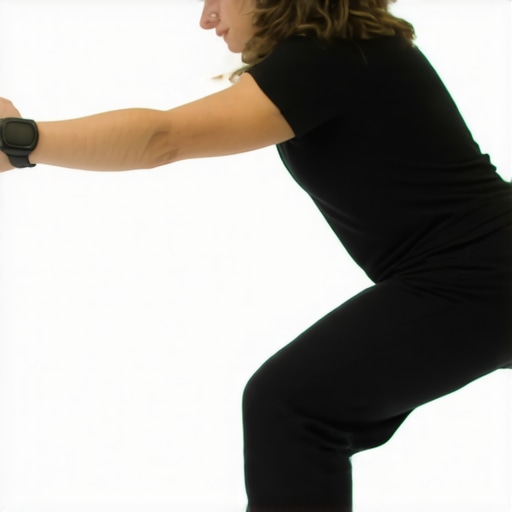
When I first started paying attention to my posture, I realized how much I was twisting and bending without thinking. To correct this, stand close to the area you’re cleaning to reduce reach and twisting. Keep your feet shoulder-width apart, engage your core muscles, and avoid bending at the waist. Instead, hinge at your hips, maintaining a straight back. I found that visualizing a string pulling my head upward helps keep my neck aligned and prevents strain. Practice this approach during each session, and you’ll notice less discomfort and better mobility over time.
Use Support Tools Effectively
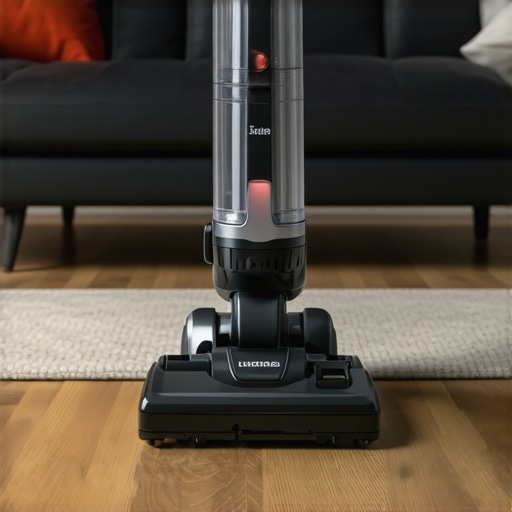
Invest in ergonomic tools like a lightweight vacuum with adjustable height and a long handle. This allows you to stand more upright and minimizes unnecessary bending. I personally switched to an extension wand, which significantly reduced my back pain. Additionally, consider using a supportive standing mat to cushion your feet and stabilize your posture. These small changes can make a big difference, especially if you have existing disc issues. Regularly adjusting your tools ensures you stay aligned, preventing the strains that contribute to neck and back discomfort. For more mobility improvement strategies, check out mobility mastery tips.
Practice Dynamic Movements and Stretching
Incorporate gentle stretches before and after chores to keep your muscles relaxed. For example, a quick hip hinge stretch targets your posterior chain, which supports your back. During my messy weekend, I mistakenly tried to vacuum continuously without breaks, which led to tension and fatigue. So I started integrating mini breaks, during which I performed a few lower-back twists and shoulder rolls, much like the neck and back mobility exercises. These small movements keep the discs hydrated and muscles loosened, avoiding stiffness and pain.
Maintain Alignment During Reaching and Turning
When reaching for corners or behind furniture, pivot your whole body instead of twisting from your waist. I remember the mistake I made during a marathon cleaning session—twisting myself into uncomfortable angles. Instead, I moved my feet, turned my whole torso, and kept my spine neutral. Think of your spine as a fragile stack of plates—twisting endlessly can cause misalignment and disc trauma. Practicing mindful movement and shifting your stance ensures your discs aren’t subjected to unnecessary shear forces. For in-depth techniques, visit chiropractic strategies for back mobility.
Mind Your Fatigue Levels and Rest
Overloading your spine with prolonged effort amplifies the risk of disc injury. I learned this the hard way after a long day of deep cleaning—my back was almost immobilized. To prevent this, listen to your body’s signals and take timely breaks. When you feel fatigue creeping in, perform light stretches or change positions to reset your spine’s tension. A support pillow behind your lower back during brief pauses can reinforce proper alignment. Regular, mindful movement not only preserves your discs but also enhances overall mobility, making daily chores safer and less taxing.
While many believe that back and neck pain are straightforward issues stemming from injury or wear and tear, the reality is far more nuanced. A common misconception is that pain always signals damage that needs to be fixed immediately. However, pain is often a complex communication system of the nervous system designed to protect us from further harm, not solely a sign of tissue damage. This understanding is critical for effective treatment and management, as it shifts the focus from solely addressing symptoms to addressing underlying neural and functional contributors. For example, some individuals experience chronic pain without obvious structural abnormalities, which highlights the importance of considering muscle imbalances, joint dysfunction, and nervous system sensitivities rather than just imaging findings.
Many people also assume that chiropractic adjustments are purely biomechanical corrections—simply ‘putting things back into place.’ In reality, modern chiropractic care often emphasizes neuromuscular modulation, addressing nerve function, and improving mobility through gentle, targeted approaches. Relying solely on cracking joints without considering the patient’s overall functional system can lead to ineffective results or even injury. Deepening your understanding of these nuances can empower you to seek holistic, evidence-based treatments that promote lasting relief.
A significant trap in managing neck and back issues is believing that stiffness and limited mobility are inevitable as we age. While some decline is natural, many of these changes are due to disuse, poor movement habits, or compensatory patterns. Correcting these misconceptions involves proactive strategies such as mobility mastery and corrective exercises that restore optimal movement patterns. For instance, incorporating targeted mobility routines can accelerate recovery and maintain spine health much better than passive treatments alone. Check out mobility mastery tips for practical insights.
Now, let’s explore a common “oops” that many fall into when trying to self-manage pain. People often think that stretching is always beneficial, but improperly executed or excessive stretching can actually aggravate conditions, especially when the nervous system is sensitized. The key is to perform controlled, conscious movements that encourage safe, pain-free mobility rather than aggressive stretching that can overstress injured tissues or nerve roots. For advanced approaches, see expert tips on neck pain relief to understand how subtle adjustments can lead to significant improvements.
Have you ever fallen into this trap? Let me know in the comments. Let’s dig deeper into the nuances that can unlock healthier, pain-free movement and challenge some long-held myths.Maintaining your spinal health over the long haul requires more than just awareness; it demands the right tools and consistent routines. Personally, I swear by a few specialized pieces of equipment that have transformed my approach to mobility and pain prevention. One essential tool I use daily is a **Tennis Ball**—not just for fun! It’s invaluable for my self-massage routine to release tension in tight muscles and fascia, particularly around my lower back and shoulders. I gently roll it against my vertebral ligaments and muscle knots, targeting trigger points that can cause discomfort if left unaddressed.
Another game-changer is a **Smart Wearable Posture Corrector**. Unlike bulky braces, advanced devices like the Upright GO automatically monitor your posture throughout the day and provide gentle reminders to correct slouching or forward head posture. This real-time feedback encouragers conscious movement and helps establish healthier habits. I personally find that consistent use reduces my neck strain and improves my overall mobility, especially during long work sessions.
When it comes to software, I recommend using **Mobility Tracking Apps**—such as those that integrate with wearable devices—to monitor your movement patterns over time. These apps analyze your activity levels, identify postural habits that need improvement, and suggest daily exercises. Tracking progress keeps me motivated and ensures I stay on course with my mobility goals. For example, regularly reviewing my data helps me catch tendencies to sit for too long or neglect stretching routines, which I know are crucial for spine health.
What Can You Do to Maintain Your Back and Neck Health Long Term?Lessons That Changed My Approach to Back Care
One of the most eye-opening lessons I learned is how small, seemingly innocuous movements—like reaching behind furniture or twisting while vacuuming—can accumulate and cause lasting damage to discs and muscles. Recognizing that my routines could be sabotaging my back shifted my perspective entirely. Another realization was that investing in ergonomic tools and adjusting my habits, rather than relying solely on support devices, provided sustainable relief. Lastly, understanding that pain often signals a need for smarter, not harder, movement empowered me to approach chores with mindfulness and care, ultimately transforming my everyday experiences with mobility and discomfort.
Tools That Boost My Back Resilience
My must-have toolkit now includes a versatile ergonomic vacuum with adjustable height, which allows me to stand upright comfortably, reducing spinal strain. I also rely on a durable posture reminder device that gently signals when I slouch, helping me develop healthier habits over time. For targeted relief, I use a massage ball to release tension in tight muscles. These tools, combined with mindful movement, have significantly improved my back health and mobility.
Your Path to Confident, Pain-Free Movement Starts Today
Taking action now to improve how you approach household chores can be life-changing. Remember, your spinal health is an investment, not a one-time fix. By applying the techniques and tools discussed, you can prevent discomfort, enhance mobility, and enjoy your daily routines without fear of injury. If you’re ready to deepen your understanding, explore mobility mastery tips for practical guidance. Your back will thank you for the care you give it today—step into a future of healthier, more confident movement.