The real reason your ribs feel stuck when you breathe
Imagine taking a deep breath after a long day, expecting relief, only to be met with a sharp, uncomfortable sensation. You might feel like your ribs are somehow glued or stuck, resisting your inhale. That unsettling feeling might have become a familiar, frustrating part of daily life for you—and I get it. I’ve been there, too. For years, I thought it was just how breathing worked when you’re stressed or holding your breath too long. But one lightbulb moment changed everything for me.
The Hidden Struggle of Stuck Ribs During Breathing
One day, I was struggling to breathe deeply after sitting at my desk, feeling tightness around my ribs that wouldn’t let up. It wasn’t pain exactly, but more like something was physically preventing me from expanding my chest fully. That sensation, though subtle, was enough to make me anxious and distracted—wondering if I should see a specialist or ignore it like many do. The truth is, that feeling of ribs feeling stuck isn’t normal, and it doesn’t have to be your new normal. Today, I want to share with you what I discovered and how you can get lasting relief.
In this post, we’re going to explore the real reasons behind that rib stiffness, bust some myths, and walk through effective solutions. By understanding what’s really behind this sensation, you’ll be equipped with simple, practical steps to restore your breathing freedom and prevent it from creeping back.
Could Simple Movement Make Your Breathing Easier?
Many folks, myself included early on, make the mistake of ignoring these sensations, thinking it’s just temporary or due to bad posture. But ignoring it only worsens the problem. As I learned, it’s often linked to tightness and misalignment in the muscles and joints around your ribs and spine. Addressing these issues with targeted movement, rather than just relying on painkillers or superficial fixes, made all the difference. According to a comprehensive study, proper chiropractic techniques can significantly improve breathing mechanics for those with rib or thoracic restrictions (source).
My goal here is to help you recognize if this is a problem you face regularly and guide you toward natural, effective solutions that work. So, have you ever felt your ribs feeling unusually tight, like they’re stuck at the top of a deep breath? Stick around—what I share next could be the game-changer you need.
Loosen Up Your Ribcage with Targeted Movement
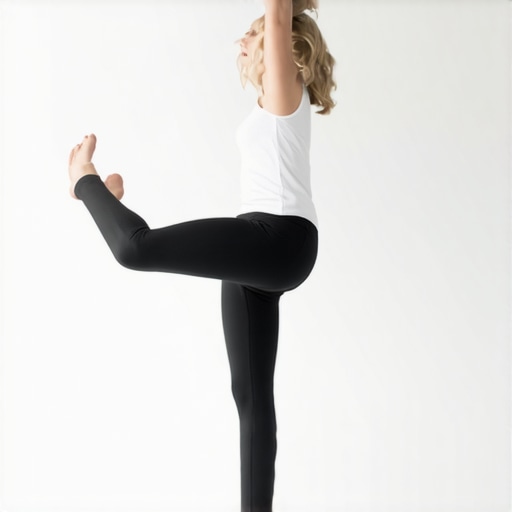
Begin by performing gentle side bends while standing, reaching your arm over your head and leaning slowly to one side. I tried this after a long day of desk work, and initially, it felt awkward, but consistent practice lowered my rib tension significantly. Focus on controlled, smooth movements — avoid jerky motions that can cause strain. Think of your ribs as the lid of a box—they need to be gently lifted and loosened to restore flexibility.
Step 1: Gentle Thoracic Rotations
Sit on a chair with your feet flat and place your hands behind your head. Rotate your torso slowly to the right, hold for a second, then rotate left. My first attempt was clumsy—my upper back felt stiff, and I had to move slowly. This rotation mobilizes the thoracic spine, which is closely linked to rib movement. Regular practice here can free up the rib cage and reduce the stuck sensation.
Step 2: Clavicular and Costal Stretching
Place one hand on your collarbone and the other on your lower ribs. Gently press downward on the ribs while lifting your collarbone with your other hand. This stretch targets the muscles around your ribs and collar area. When I applied this, I felt an immediate decrease in tightness, like releasing a knot. Consistency keeps the muscles elongated and less prone to tightness.
Aligning Your Posture for Lasting Relief
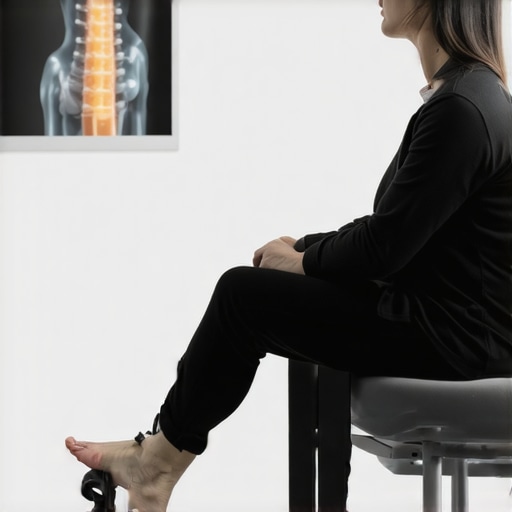
Proper alignment ensures muscles around your ribs and spine are not in constant strain. Think of your spine as the foundation of a building—if it shifts, everything above suffers. Incorporate daily checks to maintain good posture, especially during prolonged sitting. For instance, sitting with a slight lumbar curve and shoulders relaxed prevents excessive rib cage compression.
Step 3: Chest Openers to Correct Hunched Posture
Stand in a doorway, place your forearms on each side of the frame, and gently step forward to stretch the chest muscles. When I first did this, I felt a noticeable expansion in my chest, relieving rib tightness. Aim for 15-30 seconds, repeat multiple times daily, especially after sitting for long periods.
Step 4: Breathing Exercises to Re-engage Your Ribs
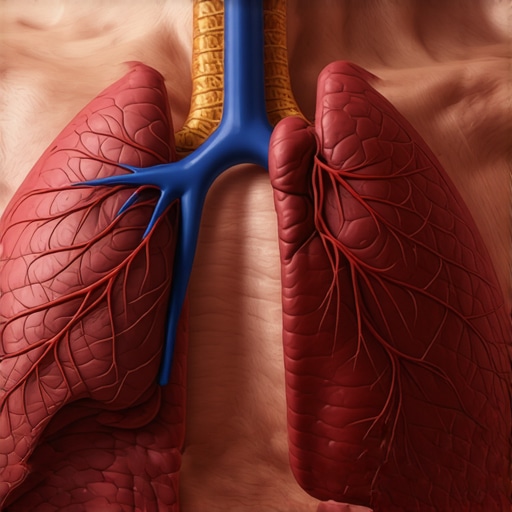
Practice diaphragmatic breathing—inhale deep into your belly, allowing your ribs to expand outward. Place a hand just below your rib cage to feel the movement. I used to shallow breathe, which kept my ribs stiff. Deep breathing retrains your muscles and improves mobility. Try to do this for 5 minutes, several times a day to establish better rib movement habits.
Incorporate Chiropractic Care for Structural Support
If muscle-focused exercises aren’t enough, consider consulting a chiropractor. Proper spinal alignment can remove restrictions that cause your ribs to feel stuck. My experience with targeted adjustments made a significant difference in restoring full, pain-free breath, especially when combined with mobility exercises. Learn more about how chiropractic care enhances movement by visiting this resource.
Step 5: Routine Mobility Checks
Every morning, perform a quick mobility assessment—touch your toes, rotate your shoulders, and take deep breaths. This keeps your body aware of its range and highlights areas needing attention. I set a reminder to do this during my coffee break—it became a habit that prevented the return of tightness.
Remember, gradual, consistent efforts are the key to freeing your stuck ribs. Combine these movement techniques with good posture practices, and you’ll notice improvements over time. For personalized guidance, reaching out to a skilled chiropractor can provide targeted support that addresses your specific restrictions—more details can be found at this contact page.
Many people believe that all forms of mobility exercises and chiropractic treatments are equally effective for back and neck pain, but the reality is more nuanced. A widespread myth is that stretching or cracking your neck and back will automatically lead to better health. However, indiscriminate stretching, especially without proper diagnosis, can sometimes worsen symptoms or cause injury, as highlighted in studies emphasizing personalized approaches (source).
Maintaining your mobility and spinal health isn’t a one-time effort; it requires consistent investment in the right tools and practices. Over the years, I’ve curated a selection of equipment and methods that have proven effective in my journey and can help you sustain improvements. One of my favorite pieces is the Foam Roller. Unlike generic models, I prefer a medium-density foam roller because it provides just enough pressure to release muscle tension without causing discomfort. I use it daily to roll out my thoracic spine and hip flexors, which are often culprit areas in back and neck pain.
Another essential tool is Active Release Technique (ART) massage balls. These small, portable balls allow precise targeting of trigger points around the ribs and shoulders. I keep a set in my bag and use them after long periods of sitting to prevent stiffness. Their compact size makes personal self-myofascial release feasible anytime, anywhere. This proactive approach significantly reduces the need for extensive chiropractic visits.
Digital apps like Mobility Master help me track my daily movement routines and remind me to perform specific exercises. These apps provide guided stretches and mobility drills tailored to different body areas. Incorporating these digital tools ensures I remain consistent, especially during busy days. Technology, when used wisely, bridges the gap between intentions and actions for maintaining spinal health.
For long-term results, I integrate biomechanical assessments with my chiropractor. A recent study emphasizes that personalized analysis of movement patterns can identify specific restrictions and imbalances, leading to more targeted interventions (source). I strongly recommend scheduling a biomechanical review at least biannually to fine-tune your self-care routines and prevent regressions.
Looking ahead, the trend is moving toward smarter, more integrated solutions like wearable sensors that monitor posture and movement in real-time. These devices can provide immediate feedback—alerting you when your shoulder slump or pelvic tilt exceeds healthy thresholds. Imagine a future where your clothing or accessories subtly guide your posture throughout the day, making perfect alignment effortless.
How can I keep my mobility routines effective over time?
Consistency remains the cornerstone of long-term success. I recommend setting a dedicated weekly review of your tools and habits. For example, periodically re-evaluate your foam roller choice, upgrade your massage tools as your needs evolve, and stay informed about new evidence-based approaches. Regularly updating your toolkit ensures you’re not relying on outdated methods and that your recovery efforts keep pace with your body’s changing needs.
Try incorporating a weekly mobility assessment with your chiropractor, like the critical neck and back mobility check, and adjust your routines accordingly. Remember, the goal is to create a sustainable system—one that seamlessly integrates into your daily life, supports your body’s natural biomechanics, and keeps pain at bay for the long haul. As I continue exploring innovative tools, I encourage you to experiment with personalized equipment and digital aids to find what best supports your unique needs.
As I reflect on my journey with rib tightness and restricted breathing, I’ve realized that the most valuable lessons often come from unexpected places. One of the hardest lessons I learned was that quick fixes rarely deliver true relief—sustainable change demands patience and personalized strategies. I used to believe that stretching alone could resolve rib stiffness, but I discovered that understanding my body’s unique movement patterns was the real game-changer. Additionally, I overlooked the importance of posture correction, thinking it was a minor detail, yet it turned out to be central to long-term freedom from the stuck sensation. Lastly, I had to accept that progress isn’t always linear; some days felt frustratingly stagnant, but consistent effort gradually rewired my body’s response to movement and breathing.