
The specific way to stretch your psoas for instant back relief
I’ll never forget the moment it hit me—after a long day of sitting at my desk, I felt that familiar, dull ache in my lower back. It was one of those times when I knew I needed a quick fix, but nothing seemed to help. I tried rolling, stretching, even lying on that grimy tennis ball. Still, the pain lingered, almost mocking me. It was a frustrating cycle many of us know all too well, especially during busy days when spine comfort feels like a distant dream.
The Eureka Moment that Changed My Back Health
One evening, after yet another futile attempt to ease my back, I stumbled upon a simple, targeted stretch focusing on my psoas muscle. That small, deep hip flexor had been secretly pulling my pelvis forward, increasing my lower back strain. The lightbulb went off—what if just one effective stretch could provide immediate relief? I decided to give it a shot, and the results astounded me.
Since then, I’ve integrated specific psoas stretches into my routine, and the difference has been night and day. Not only do I experience less pain, but I also feel a newfound sense of mobility and comfort throughout my day. If you’re tired of squeezing into your chair with a stiff back, I promise this approach can help. Today, I’ll walk you through the exact technique that offers instant back relief by releasing tightness in your psoas.
Could This Really Be As Simple As Stretching?
Early on, I made the lazy mistake of ignoring the importance of proper technique—assuming that any stretch would do. That cost me dearly, as I ended up exacerbating my discomfort. Building trust in these methods is crucial, and I’ll share exactly how to do it right, so you avoid my pitfalls and start feeling better faster.
Ready to bid farewell to that nagging back pain? Let’s dive into the step-by-step process that transformed my back health—and can do the same for you. For more insights on maintaining your spinal health, check out how chiropractic care can boost your recovery.
Find Your Starting Point and Set Up Properly
Pick a comfortable space where you can lie flat without distractions. Use a padded yoga mat or soft carpet to cushion your hips and back. Lie on your back with your knees bent and feet flat on the floor, hip-width apart, ensuring your pelvis is level and neutral. Remember, the goal is to unlock tension without creating new strain—think of it as unlocking a tight door gently.
Perfect Your Position and Initiate the Stretch
Engage Your Core for Stability
Tighten your abdominal muscles slightly—imagine pulling your belly button toward your spine. This action stabilizes your pelvis, preventing it from tilting and ensures that the stretch targets the psoas muscle effectively. I learned this the hard way during my first attempt: without core engagement, I felt strain in my lower back, and the stretch was ineffective. Keep your core engaged, but breathe normally; don’t hold your breath or over-tension.
Gently Lift Your Legs and Open Your Hip Hip Flexors
Slowly lift one knee toward your chest, keeping your foot flat. Support the back of your thigh if needed, especially if you’re tight at first. Now, extend the other leg straight on the ground. The key is to keep the extended leg’s thigh pressed into the floor, anchoring your pelvis and isolating the hip flexor muscles. This simulates a gentle pull on the psoas, releasing tension built up from sitting or poor posture.
Focus on Controlled Movement and Breathing
Hold this position for 20-30 seconds, feeling the gentle stretch in your hip. Avoid bouncing—think of it as slowly loosening a stubborn knot rather than yanking on it. During my first sessions, I was tempted to push deeper quickly, but this only caused discomfort. Breathe deeply and consistently, inhaling to expand your chest and exhale to deepen the stretch gradually. Controlled breathing enhances relaxation and blood flow, accelerating tension release.
Switch Sides and Repeat with Intent
After holding the stretch on one side, switch legs smoothly. Remember, both hips may carry different levels of tightness, so give each side equal attention. During my initial attempts, I neglected the second side and wondered why my back still ached; now I know symmetry matters for balanced mobility. Perform 2-3 repetitions per side for an effective routine.
Incorporate Into Daily Routine for Lasting Results
Consistency is your best friend here. I started doing this stretch every morning and evening, and soon, my lower back pain diminished significantly. The practice not only relieves pain but also improves hip mobility, feeding into better posture and less strain during daily activities. For more advanced tips on maintaining spinal health, explore how chiropractic care enhances movement.
Remember, the key is gentle, deliberate movements paired with mindful breathing. Over time, this simple routine can redefine your approach to back relief and overall mobility, making pain a thing of the past.
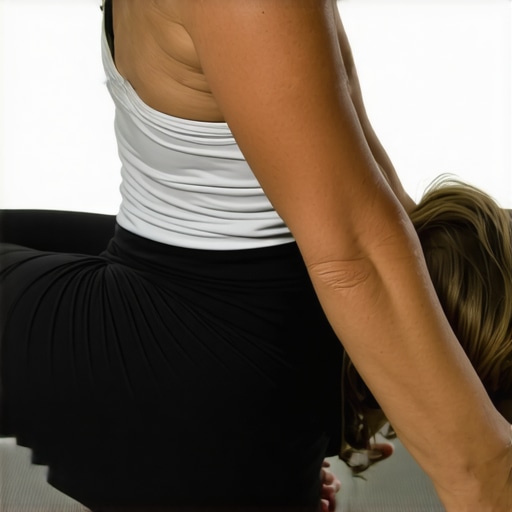 Many believe that back and neck pain stem solely from immediate injury or poor posture, but the truth is far more complex. A prevalent myth is that pain always correlates with tissue damage; however, chronic pain often involves nerve sensitization and neuroplasticity, which are overlooked in traditional approaches. For example, Dr. David Butler, a renowned pain scientist, emphasizes that pain is an experience shaped by the brain and nervous system, not just physical injury (source). This nuanced understanding is why many patients see little relief from focusing solely on structural corrections.
Another misconception is that immobilization accelerates healing. In reality, prolonged inactivity can lead to joint stiffness and muscle weakening, delaying recovery and reducing mobility. Movement, when performed correctly, enhances circulation and fosters neuroplastic adaptation, which are vital for restoring function. Advanced practitioners advocate for targeted, controlled exercises rather than blanket rest, understanding that the nervous system needs gentle, consistent stimuli to rewire pain pathways and improve resilience.
Beware of the trap of relying exclusively on chiropractic adjustments as a one-stop remedy. While adjustments can provide immediate relief and correct spinal misalignments, they are most effective when integrated with movement therapies and postural education. An overemphasis on correction without addressing underlying movement patterns risks temporary fixes that can lead to recurring issues. As experts suggest, combining chiropractic care with mobility work—like specific stretches or functional movements—results in more enduring improvements in both pain levels and mobility (see here).
What most people get wrong is overlooking the nervous system’s role and treating pain as purely structural. Persistent pain can persist even after tissues heal because the brain has learned to associate certain movements or positions with danger, resulting in a protective, fear-avoidant mentality. Recognizing these nuances allows for smarter, more effective interventions. Incorporating gentle neuro-sensory exercises and educating patients on pain science are game-changers.
So, next time you hear that back pain is just about posture or injury, remember the complex neurophysiological interplay involved. It’s a reminder that holistic, nuanced approaches—combining chiropractic, movement, and education—are essential for lasting relief. Have you ever fallen into this trap? Let me know in the comments.
Maintaining the health of your spine isn’t a one-time effort—it requires consistent attention and the right tools. Over the years, I’ve refined a set of equipment and techniques that have made all the difference in my journey toward long-lasting mobility and pain prevention. Today, I want to share these practical resources with you, explaining why they work so well and how they can help you sustain your progress.
Invest in a Quality Foam Roller and Massage Balls
I’ve found a high-density foam roller to be a game-changer for releasing trigger points and improving tissue flexibility. Personally, I use a firm model that allows deep pressure, particularly for my thoracic region and hips. Complementing this, I keep two tennis balls taped together to target smaller, stubborn knots around my neck and shoulders. The key is consistent self-myofascial release—regularly rolling out tense areas prevents chronic buildup and maintains muscle elasticity. For more detailed guidance on using foam rollers effectively, check out this deep stretch.
Smart Posture and Movement Tracking Tech
To monitor my postural habits and ensure consistent alignment, I utilize a posture correction app connected to a wearable sensor. This device gently alerts me when I slouch or shift into poor positions during work or daily activities. Over time, this feedback loop has retrained my habits, reducing strain and keeping my spine in optimal position. Moving forward, I predict the integration of AI-driven posture coaching will make real-time corrective feedback more accessible and personalized for everyone.
Why Regular Chiropractic Check-Ins Matter
While I advocate for self-care routines, periodic chiropractic assessments are invaluable for maintaining spinal health. I visit my chiropractor approximately every six weeks, which helps catch misalignments early before they develop into pain or mobility issues. Combining adjustments with targeted exercises from a professional ensures the best long-term outcome. For a deep dive into this synergy, see how chiropractic care enhances movement.
How do I keep my mobility over time?
Consistent focus on gentle stretching and strength training, complemented by the right tools, is essential. I emphasize integrated routines that include core stabilization exercises, mobility drills, and periodic assessments. Remember, progress isn’t linear—build routines that fit your life, and gradually increase intensity. For guidance on crafting a sustainable movement plan, explore mobility mastery strategies. An external expert, Dr. Stuart McGill, emphasizes the importance of tailored core and back exercises to prevent future issues.
For an immediate boost, try incorporating the wall stretch into your daily routine. It’s simple, quick, and surprisingly effective at improving your posture and relieving tension.
Remember, consistency makes all the difference. Keep these tools in your arsenal, and you’ll set yourself up for lasting spine health and freedom of movement.
Reflecting on my journey, I’ve realized that true progress in back health comes from embracing the nuanced truths that often go unspoken. The most valuable lessons weren’t from quick fixes but from understanding the deeper layers of movement, nervous system involvement, and consistent self-care. These insights transformed not just my routine but my entire perspective on maintaining spinal wellness.
The Overlooked Power of Mindful Movement
One lightbulb moment was recognizing that gentle, deliberate movements activate neuroplasticity—your brain’s ability to rewire pain pathways. It’s not about pushing to the limit but about creating safe, controlled stimuli that foster lasting change. This insight pushed me to prioritize quality over intensity, reshaping my entire approach to mobility and pain management.
Challenging the Myths That Keep Us Stuck
I used to believe that stretching was enough to fix my back pain. The truth, I learned, is that without addressing underlying movement patterns and nervous system responses, pain often persists. Breaking free from these myths meant committing to a holistic routine that combines chiropractic care, movement, and education—something that I now recommend to everyone seeking genuine relief.
The Unexpected Role of Emotional Well-Being
Let me share this: stress and emotional health deeply influence spinal health. Tension isn’t only muscular; it’s neurophysiological. Recognizing this helped me incorporate relaxation practices and mindfulness, complementing my physical routines. This holistic approach ensures not only temporary relief but a resilient, pain-free lifestyle.
My Essential Toolkit for Lasting Back Wellness
Over time, I curated tools that truly support my spine. A high-quality foam roller remains a staple for my tissue health, but I also trust educational resources like chiropractic care and simple hacks for maintaining mobility. These sources reinforce that consistency and knowledge are the real game changers.
Your Next Step Toward Freedom of Movement
The path to lasting back health isn’t about radical changes overnight but about embracing a mindset of continuous care and curiosity. Each small step, like refining your posture or gentle stretching, compounds into a resilient, pain-free life. Remember, your body responds best to patience, understanding, and proactive strategies. Why not start today—your future self will thank you.
What unconventional method has helped you the most in managing back pain? Share your story below and join the conversation on transforming spine health!
,