Why Tight Calves are Pulling Your Pelvis Out of Alignment
I remember the moment I finally realized why my persistent lower back pain wouldn’t go away. I’d been to every chiropractor, tried every stretch, and yet, morning after morning, I’d wake up feeling stiff and uncomfortable. That was until I noticed something surprising—my calves were painfully tight, and every time I tried to stretch them, the relief was fleeting. It was a lightbulb moment that changed everything.
The Surprising Link Between Tight Calves and Pelvic Alignment
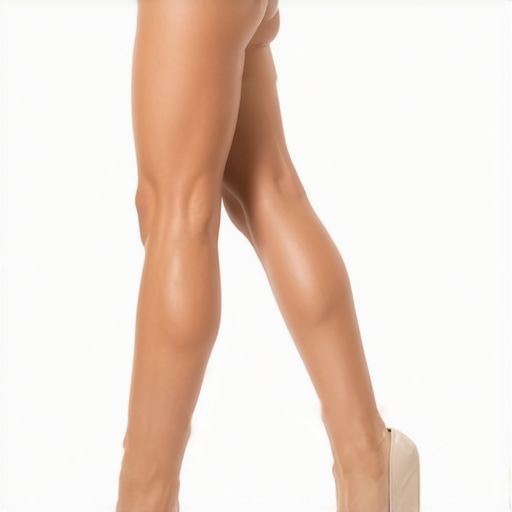
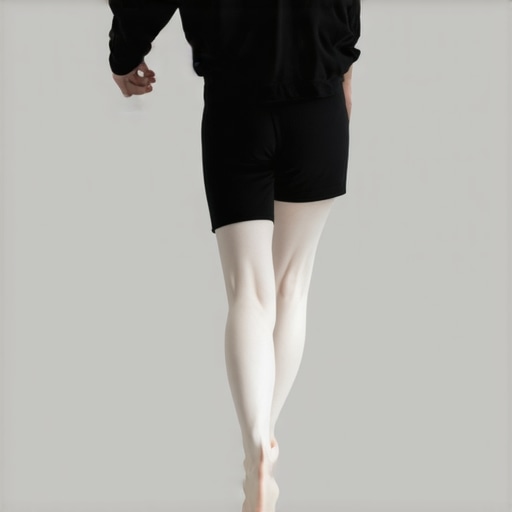
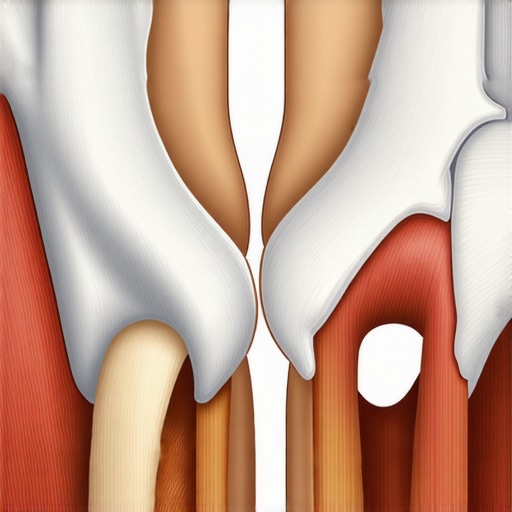
It turns out, what I thought was just a calf flexibility issue was actually affecting my pelvis and, consequently, my entire back. When your calves are tight, they can pull on your Achilles tendons and influence how your ankle moves. This seemingly small restriction can shift the way your hips and pelvis sit, leading to misalignments that ripple up your spine. Over time, this imbalance creates stress and discomfort, especially in your lower back and hips.
Many people don’t realize that their calf muscles are deeply connected to their overall mobility and spinal health. I learned this the hard way, making one critical mistake early on—ignoring calf tightness and focusing only on back or hip stretches. That mistake cost me precious time and unnecessary pain. Once I addressed the root cause—those stubborn calves—my pelvis stabilized, and my back pain diminished significantly.
If you’re tired of feeling like your body is constantly fighting against itself, stick around. In the following sections, I’ll show you how to identify if tight calves are pulling your pelvis out of alignment and, more importantly, how to correct it. Trust me, this simple shift could be the game changer you’ve been looking for.
Why This Matters Right Now
In today’s world, many of us spend hours sitting—at desks, in cars, on couches—leading to shortened, tight calves from lack of movement. This tightness doesn’t just affect your calves; it can cause a chain reaction resulting in poor posture and muscular imbalances that contribute to chronic pain. According to a report published in the Journal of Bodywork and Movement Therapies, calf flexibility directly impacts lower limb function and pelvis stability, influencing overall mobility.
So, if you’ve been struggling with unresolved back or hip pain—despite trying stretches, massages, or even chiropractic adjustments—your calves might be the missing link. It’s time to look beyond the obvious and consider the full picture of how your body moves and supports itself.
Are you currently facing this kind of persistent discomfort? If so, you’re not alone. And the good news is, the solution might be simpler than you think. Let’s dive into how you can tell if tight calves are a problem for you—and what to do about it.
Assess Your Calf Tightness
Start by checking if your calves feel consistently tight or tender, especially after activities like walking or standing. To do this, sit on the floor with your legs extended and attempt to touch your toes. If you struggle or feel significant tension, tight calves could be a contributing factor to pelvic misalignment. I once spent a morning trying to stretch my calves without assessing their flexibility, which only led to more frustration. Now, I always evaluate before stretching.
Implement Targeted Calf Stretching
Use specific stretches such as the classic standing calf stretch and the downward dog pose. For the standing calf stretch, position yourself near a wall, place one foot back with the heel flat, and gently lean forward until you feel a stretch in your calf. Hold for 30 seconds and switch sides. Remember, consistency is key; perform this 2-3 times daily. Once, I committed to this routine, my calf tightness decreased, and I noticed improved pelvic function.
Incorporate Foam Rolling or Self-Massage
Using a foam roller on your calves helps release muscle tension. Sit on the floor with your legs extended, place the foam roller under your calves, and roll from just below the knee to the ankle. Apply gentle pressure and pause on tender spots. I found that foam rolling daily significantly reduced my calf stiffness, making stretches more effective. Regular self-massage prevents muscles from reverting to tightness.
Address the Chain Reaction—Pelvic Alignment
After softening and stretching your calves, focus on your pelvis. Gentle pelvic tilts and bridges can help restore proper alignment. Lie on your back with knees bent, then lift your hips, squeezing your glutes, and hold. This engages the glutes and encourages a neutral pelvis position. I once combined calf work with pelvic stabilization exercises, which led to a noticeable decrease in back discomfort within a week.
Practice Proper Movement Mechanics
Be mindful of how you walk and stand. Shoes with supportive arch support and avoiding prolonged heel elevation can prevent calf tightness from returning. When I noticed my calves tightening during long days of standing, I started paying attention to my gait, which helped maintain flexibility and pelvic alignment. Training yourself to walk with shorter strides can also reduce strain.
Seek Professional Guidance When Needed
If persistent calf tightness or pelvic misalignment continues despite self-care, consider visiting a chiropractor. They can perform precise adjustments to help reset your pelvis and ensure your muscles are functioning correctly. I’ve had sessions that complemented my stretching, leading to faster recovery and lasting relief. For more detailed strategies, exploring resources like these expert methods can be invaluable for holistic health improvement.
 Many assume that chiropractic care is solely about quick spinal adjustments to relieve pain, but this oversimplification can lead to misplaced expectations and frustration. The truth is, effective treatment involves understanding the intricate relationship between muscles, joints, and nerve function, which many practitioners and patients overlook. For instance, a common myth is that all back pain stems from vertebral misalignments requiring popping or cracking. In reality, recent studies highlight that muscular imbalances and movement patterns often play a more significant role, and addressing these requires a comprehensive approach, as discussed in this guide to posture and mobility. Another misconception is that chiropractic adjustments are a one-time fix. Long-term relief typically demands ongoing proactive care, including tailored exercise and lifestyle changes, supported by research emphasizing the importance of consistent movement for spinal health. Be cautious of the trap of false promises promising instant, permanent relief—chronic pain usually signals deeper issues that can’t be fixed with a single visit. Advanced patients should consider questions like, “How do neuromuscular factors influence healing and mobility?” which require a nuanced understanding of biomechanics and neuroplasticity. Experts like Dr. Eric Goodman advocate for integrating functional movement assessments to prevent future injuries, not just treating symptoms. Understanding these nuances ensures you don’t fall for quick fixes but instead pursue sustainable solutions. Have you ever fallen into this trap? Let me know in the comments. Properly addressing back or neck pain involves more than just cracking your back; it demands a holistic approach that incorporates muscle balance, movement retraining, and lifestyle adjustments. If you’re ready to explore effective, expert-backed strategies, check out these tips to unlock neck pain relief or methods to relieve neck and back discomfort. Remember, the path to lasting relief is a marathon, not a sprint, and understanding the true complexity of spinal health is your first step toward lasting mobility.Maintaining your body’s mobility and managing pain over the long term requires more than just occasional stretching or chiropractic visits. Investing in the right tools can make daily maintenance more effective and sustainable. One essential item I personally rely on is a high-quality foam roller. Unlike generic foam rollers, I prefer ones with varied density zones, which allow me to target specific muscle groups like my calves, hips, and glutes more precisely. Regular foam rolling not only releases muscle knots but also stimulates blood flow, aiding in quicker recovery and sustained flexibility. For example, I use the TriggerPoint GRID Foam Roller, as its multi-density surface provides effective self-myofascial release without causing discomfort.
Additionally, I incorporate a set of resistance bands tailored for mobility work. Resistance bands enable me to perform controlled, assisted stretches for tight muscles, promoting better alignment and functional movement patterns. They are especially useful for strengthening small stabilizer muscles often neglected during standard routines. Personally, I favor Loop Bands by WODFitters due to their durable material and variety of resistance levels, which cater to different needs as I progress.
On the digital side, I recommend using apps like the Pocket Anatomy or the Essential Anatomy 3 app. These tools help me visualize muscle origins, insertions, and joint mechanics, deepening my understanding of how each exercise or stretch benefits particular areas. Knowledge is power; knowing why certain movements help specific muscles keeps me motivated and cautious to avoid overdoing it.
Looking forward, the trend in mobility tools is leaning toward smarter, app-integrated devices. Wearables like smart sensors that monitor your muscle activity and provide real-time feedback are becoming more accessible. These innovations promise to personalize recovery and maintenance routines, making prevention more proactive rather than reactive.
How do I maintain my mobility tools over time? Regular cleaning and inspection are crucial. Foam rollers should be washed periodically to prevent bacteria buildup, and resistance bands need to be checked for signs of wear and tear—discarding any that show cracks or fraying to prevent injury. Storing these tools in a dry, cool place also prolongs their lifespan.
Remember, consistency is key. Incorporating these tools into your daily routine enhances natural healing processes and prevents minor issues from becoming chronic problems. For a comprehensive overview of how to integrate such tools into your wellness plan, explore this insightful resource on boosting back health with simple chiropractic hacks. Try using a targeted foam rolling routine combined with resistance band stretches today—your body will thank you as you age gracefully and pain-free.
What No One Tells You About Body Balance and Your Hidden Myths
One profound lesson I embraced was that real progress often requires challenging the misconceptions I once held, like believing that back pain always comes from the spine itself. It wasn’t until I understood the interconnectedness of muscles and joints, especially the role of calves in pelvic alignment, that I finally saw meaningful change. Recognizing the importance of addressing root causes rather than just symptoms became a game-changer for my mobility and comfort.
Another insight was the power of small, consistent habits. Even a few minutes of daily foam rolling or targeted stretching in my calves yielded cumulative benefits. I learned that patience and persistence are vital, especially when working with the body’s complex systems. This approach transformed my outlook—from seeking quick fixes to committing to long-term wellness routines that honor the body’s natural balance.
Perhaps most unexpectedly, I discovered the value of self-awareness in movement. Listening to my body’s signals—like tightness or discomfort—allowed me to adapt my practices promptly. This mindfulness turned routine exercises into deeply personalized strategies, reinforcing that understanding your unique body pattern can unlock the most effective relief.
Tools That Became My Secret Weapons for Better Mobility
My top recommendations include the TriggerPoint GRID Foam Roller, which I use daily to release calf tension and enhance blood flow. Its different density zones help target specific muscles without overdoing it. Complementing this, resistance bands like the Loop Bands by WODFitters have been instrumental in gentle strengthening and improving flexibility, especially around the hips and pelvis. Visual aids, such as the Essential Anatomy 3 app, deepen my understanding of muscle origins, which motivates precise, effective stretches and exercises.
For a holistic approach, I also rely on educational resources like this guide to posture and mobility, which emphasizes the importance of muscle balance and movement patterns. Staying informed empowers me to make smarter decisions about my body and avoid setbacks. As technology advances, I look forward to tools like smart sensors that can give real-time feedback, making self-maintenance even smarter and more personalized.
This Is Your Moment to Make a Change
Understanding and respecting the intricate connection between calf flexibility and spinal health can open the door to lasting relief and improved mobility. Don’t let misconceptions or overlooked muscles hold you back. With patience, the right tools, and a focus on root causes, you can transform your wellness journey starting today. Remember, your body is a connected system—invest in its health and enjoy the freedom of movement you deserve.
What’s one small change you’re willing to try today to improve your mobility? Share your thoughts below and let’s support each other on the path to lasting relief.
}