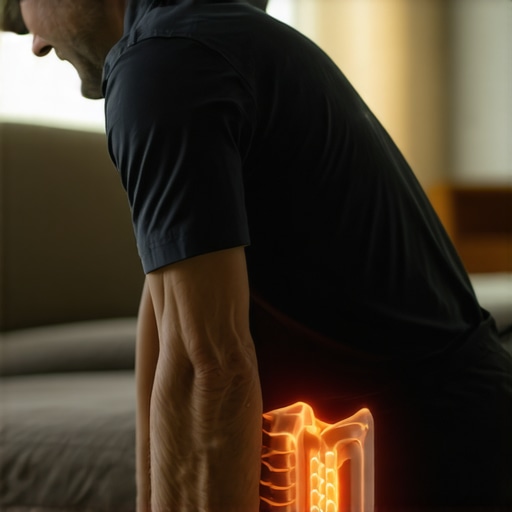
Why You Wake Up with Lower Back Pain Every Day
I used to wake up every morning feeling like I’d been hit by a freight train from the night before. The dull throb in my lower back would greet me as soon as consciousness returned. It didn’t matter if I went to bed early or late; the pain was relentless, and it left me wondering if I’d ever start the day without discomfort. That lightbulb moment hit when I realized this wasn’t just part of aging—something was off, and I needed to dig deeper.
Why Lower Back Pain in the Morning Can Be a Wake-Up Call for Your Spinal Health
Every day, millions of us roll out of bed with a stiff, aching back, often without understanding why. It’s not just a random discomfort—there’s usually an underlying reason, and if ignored, it can lead to long-term issues. I found that morning pain is often a signal that something isn’t quite right with our spinal alignment, muscles, or habits. And here’s the kicker: resolving this isn’t about a quick fix, but about understanding and addressing the root causes.
For starters, poor sleeping positions, insufficient support from mattresses, or even the way we move throughout the day can contribute to this morning misery. Did you know that improper pillow height or sleeping posture can strain your lumbar region? According to wellness experts, these factors can exacerbate existing issues and even create new ones over time. I learned that making simple adjustments—like improving my sleep setup—had a surprisingly big impact.
One mistake I made early on was neglecting the importance of proper lumbar support. I figured any soft mattress would do, but over time, I realized that my mattress was neither supportive nor suited to my body’s needs. That mistake delayed my progress, but once I addressed it, things improved. If you find yourself stuck in this pattern, it’s worth exploring how your sleeping environment could be sabotaging your recovery.
Are you experiencing this daily morning ache? If so, you’re not alone—and the good news is, there are practical steps to change this narrative. Let’s dive into the causes and, more importantly, how you can wake up feeling refreshed and pain-free.
Begin Your Morning with Gentle Movement
Start by gently waking your spine with slow, controlled movements. I remember once trying to jump out of bed, which only worsened my discomfort. Instead, I now perform a simple knee-to-chest stretch while still in bed. Lie on your back, bring one knee toward your chest, hold for 20 seconds, then switch legs. This movement warms up the lower back muscles and prepares your spine for the day.
Adjust Your Sleeping Environment for Support
Evaluate your mattress and pillows—think of your mattress as the foundation of your house. If it’s sagging or too soft, it can cause spinal misalignment. I once replaced my old mattress with a medium-firm one, which immediately reduced my morning pain. Use a pillow that supports the natural curve of your neck, and consider placing a pillow between your knees if you sleep on your side. Proper support maintains spinal alignment during sleep, cutting down morning stiffness.
Incorporate Specific Postural Corrections During the Day
Pay attention to how you sit and stand throughout the day. Avoid crossing your legs or slouching—these habits can tighten muscles and pull your spine out of optimal alignment. When I caught myself slumping at my desk, I used a chair with lumbar support and set a timer to remind me to sit upright. Engage in micro-breaks to stretch and reset your posture, which can drastically lessen morning tightness and discomfort.
Perform Targeted Strengthening and Flexibility Exercises
Building core strength stabilizes your lower back and prevents pain. I started doing a modified bird-dog exercise twice a week: on all fours, extend opposite arm and leg, hold for 10 seconds, then switch sides. This drill boosts spinal stability without exhaustive effort. Additionally, regular stretching of hip flexors and hamstrings, like lunges or hamstring curls, prevents muscles from pulling your pelvis and aggravating back pain. Trust me, consistency here compounds benefits over time, helping you wake up freer.
Manage Stress and Breathing for Natural Relief
Stress often tightens muscles, making pain worse. Deep diaphragmatic breathing relaxes tension in your lumbar region. I practice slow inhale through my nose, feeling my belly expand, hold for a second, then exhale fully. This simple habit can be integrated into your morning routine and offers immediate relief from tightness. Combining breath work with movement creates a powerful synergy that keeps your backbone resilient.
Many assume that chiropractic care is merely about quick adjustments and instant relief, but the truth runs much deeper. A common misconception is that spinal manipulations alone can resolve chronic back pain or mobility issues. In reality, evidence shows that addressing underlying habits and neuromuscular patterns is essential for long-term healing. For example, a study published in the Journal of Manipulative and Physiological Therapeutics highlights that combining chiropractic adjustments with personalized exercise therapies improves outcomes significantly more than adjustments alone. Relying solely on spinal cracking can actually delay proper recovery if you neglect the importance of strengthening and mobility exercises. Moreover, many people fall into the trap of thinking that pain is always a sign to avoid movement. This myth can lead to stiffness and further deterioration. As I’ve learned through experience, controlled movement and targeted stretches are often the key to unlocking lasting relief.
Are You Overlooking the Role of Muscle Imbalances?
A sophisticated understanding reveals that not every pain originates from the spine itself but from muscle imbalances and movement patterns that perpetuate strain. For instance, tight hip flexors or weak core muscles can pull the pelvis out of alignment, causing persistent back discomfort despite chiropractic adjustments. Failing to correct these deficiencies may lead to recurring problems. It’s crucial to view chiropractic care as part of a comprehensive approach that includes flexibility work, strength training, and posture correction. To explore this multidimensional strategy further, check out our guide to chiropractic and mobility. Remember, the body functions as an interconnected system, and neglecting this can be a costly mistake. Have you ever fallen into this trap? Let me know in the comments.To sustain the progress you make in your spinal health journey, investing in the right tools and practices is paramount. I personally rely on a few key equipment and methods that have proven effective over time, ensuring long-term relief and mobility. One indispensable tool is the **foam roller**. Unlike popular belief that foam rolling always helps, I discovered that choosing a **medium-density foam roller** helps target my piriformis and thoracic spine without causing unnecessary muscle tension. Using it in gentle, controlled motions—especially after workouts or long periods of sitting—allows me to break down fascial adhesions and maintain flexibility. For precise results, I use a **massage ball** to access trigger points in hard-to-reach areas, like my upper trapezius and hips. This hands-on approach complements chiropractic adjustments and prevents muscle tightness from creeping back.
Regarding **software tools**, I highly recommend apps that remind you to maintain proper posture throughout the day. My favorite is a posture-tracking app that vibrates gently to alert me when I slouch—helping me avoid bad habits that can undo months of progress. Consistent micro-movements at your desk, combined with these reminders, significantly cut down on stiffness in the mornings.
Investing in **ergonomic equipment** is another key. I upgraded my workspace with an adjustable standing desk and a supportive footrest, which help balance my spinal load during prolonged work sessions. Proper desk setup, combined with conscious posture adjustments, is what I believe will keep me mobile for years to come. For tips on optimizing your workspace, you might explore our guide to ergonomic excellence.
Predicting the future, I anticipate a surge in personalized biomechanical assessments via wearable tech. Imagine smart garments that monitor muscle activation and spinal alignment in real-time—potentially alerting you before discomfort manifests. This integration could transform long-term maintenance from reactive to proactive.
**How do I maintain my neck and back health over time?** Consistent, mindful application of these tools ensures lasting benefits. Regularly scheduled chiropractic check-ins, combined with home maintenance like foam rolling and ergonomic adjustments, form a resilient shield against setbacks. Remember, longevity in mobility comes from a balanced mix of active care and smart habits.
If you’re serious about taking your spinal care to the next level, consider implementing one of these advanced tools—trust me, the ease of integration into daily routines makes all the difference. For personalized guidance or to explore tailored solutions, don’t hesitate to reach out for expert support. Staying proactive is your best bet for a pain-free, mobile future.Over the years, I’ve realized that the most profound lessons about back and neck health aren’t found in quick fixes but in embracing a holistic, mindful approach that honors your body’s intricate design. One of the hardest truths I’ve learned is that chronic pain often stems from our habits—how we sleep, sit, and move—and not just from isolated injuries. Recognizing this shift in perspective has empowered me to forge habits that sustain mobility and comfort beyond temporary relief.
What I Wish I Knew About Body Awareness and Healing
- Listening to the subtle signals of tightness or discomfort can prevent minor issues from becoming chronic problems. I started paying closer attention to how my muscles felt throughout the day, which guided me to incorporate more strategic stretches and movements.
- Consistency beats intensity. Great progress comes from daily micro-habits—like brief mobility drills and proper ergonomic setups—rather than sporadic, intense sessions.
- Addressing muscle imbalances takes priority over just treating symptoms. Strengthening weak areas and releasing tight muscles created a foundation for sustainable relief.
- Mindfulness during daily activities—whether lifting, sitting, or sleeping—can significantly reduce strain. Mindful movement and posture become invaluable tools in maintaining long-term spinal health.
- Holistic care, including chiropractic adjustments combined with targeted exercises and lifestyle modifications, forms the trifecta for lasting mobility. I trust sources like our comprehensive guides for deeper insights into this approach.
My Top Tools for Staying Mobile and Pain-Free
- Foam rollers: Medium-density rollers help me target fascia adhesions without overdoing it. I’ve found that a gentle, deliberate roll encourages blood flow and flexibility.
- Massage balls: Small enough to reach tricky areas like the upper back or hips, these aid in releasing trigger points that can cause referred pain.
- Posture reminder apps: Gentle vibrations during the day nudge me back into proper alignment, avoiding the slump that leads to morning stiffness.
- Ergonomic adjustments: An adjustable standing desk and supportive pillows make all the difference in maintaining healthy spinal curves during work hours.
Embrace Your Path Toward Freedom of Movement
> The journey to lasting back and neck health isn’t a straight line, but a process of discovering what works uniquely for you. I encourage you to integrate mindful habits, prioritize holistic healing, and stay curious about your body’s signals. Remember, small daily steps outshine sporadic efforts, and embracing your body’s needs is the most empowering move you can make.
Are you ready to take your spinal health into your own hands? Let me know below: what’s one change you’re committed to making today to support your mobility journey?