Why Your Ankles Are Making Your Back Pain Harder to Treat
Have you ever felt a sharp twinge in your lower back during a simple movement, only to realize later that your ankles might have played a bigger role than you thought? I remember the first time I experienced this; I was stretching after a long day, and suddenly, my back felt tighter than usual. It was a lightbulb moment for me—our bodies are interconnected in ways we often overlook, and sometimes, pain in one area stems from issues elsewhere.
The Hidden Link Between Ankles and Back Pain
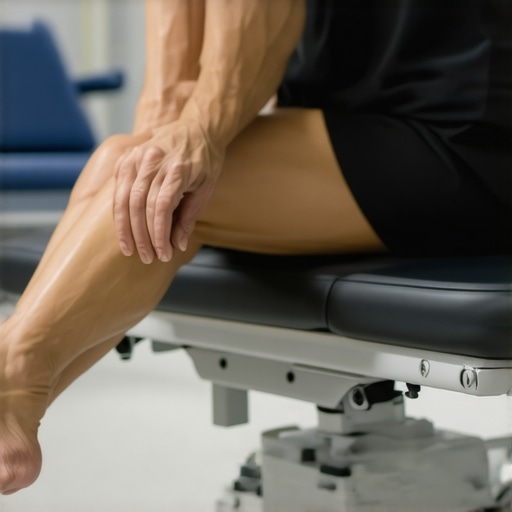
Most people focus solely on their back when dealing with persistent discomfort. But what if I told you that your ankle mobility could be a missing piece in your pain puzzle? Yes, your ankles—those small, often-neglected joints—actually play a crucial role in maintaining proper spinal alignment and movement. When ankle mobility is limited, it can force your body to compensate in ways that strain your lower back, making treatment more challenging.
Early in my journey, I made the mistake of ignoring ankle issues, thinking they were insignificant. But I quickly learned that even minor restrictions can cascade into significant back problems over time. Improving ankle flexibility and strength isn’t just about better balance; it’s about easing the load on your spine and making back treatments more effective. For practical tips on this, check out [this comprehensive guide](https://quackersspinal.com/restore-your-back-mobility-proven-chiropractic-strategies).
Is Addressing Ankles Really Worth the Hype?
At first, I was skeptical. It seemed too simple—how could something so small influence such a big pain in my back? But I discovered that many of my recurring issues stemmed from unaddressed ankle tightness. Once I started focusing on this area, I noticed improvements in my mobility and reductions in discomfort. Don’t underestimate your ankles—they’re more connected to your back than you’d think.
One common mistake I made early on was neglecting proper assessment. Many of us assume that back pain is solely about the spine or muscles, overlooking how your hips, knees, and ankles contribute. Taking a holistic approach can lead to faster, more lasting relief. You might find it surprising how a few targeted mobility exercises can transform your recovery process—something I wish I knew from the start.
In the upcoming sections, I’ll walk you through simple yet effective ways to evaluate and improve your ankle function, ultimately helping you treat your back pain more successfully. Ready to get started? Let’s dive into the practical steps that could make a world of difference for your mobility and comfort.
.
Evaluate Your Ankle Flexibility Effectively
Start by testing your ankle mobility—stand facing a wall, place your toes 4 inches away, and try to touch your knee to the wall without lifting your heel. If your knee can’t reach or the heel lifts, you likely have limited ankle flexibility. I once struggled with this test; my forward knee barely moved, revealing tight calves that contributed to my back discomfort. Recognizing this was the first step toward improvement.
Perform Targeted Ankle Mobility Movements
Incorporate daily ankle circles, heel lifts, and dorsiflexion stretches. For example, sit on the edge of a chair, cross one ankle over the opposite knee, and gently press your knee forward while keeping the heel on the ground. Repeat for a minute each side. I added these movements into my morning routine, and within a week, I noticed a reduction in lower back tension, illustrating their effectiveness.
Build Strength to Support Flexibility
Strengthen your ankles with resistance band exercises—loop a band around your foot and push outward or inward, mimicking eversion and inversion motions. These strengthen the stabilizers, preventing re-tightening. I made a simple routine of 20 reps per side, twice daily. Over time, my ankle stability improved, and so did my balance, which helped reduce compensatory back strain.
Integrate Mobility Into Daily Movements
Apply ankle mobility during functional activities—when climbing stairs, try to push through your toes more consciously, encouraging ankle activation. During my recent hike, focusing on this technique allowed me to maintain better posture and avoid lower back fatigue that usually accompanies prolonged walking. This conscious engagement makes a noticeable difference over time.
Use Chiropractic Strategies for Lasting Results
Complement mobility work with chiropractic adjustments focused on alignment and soft tissue techniques like grassroot mobilizations. These strategies help release tight muscles and realign joints, creating a smoother foundation for your mobility exercises. I visited my chiropractor after several weeks of mobility practice, and the combined effect was a considerable decrease in my back pain. For comprehensive guidance, review this resource.
Consistency Is Key
Stick with these steps daily, tracking your progress with a simple journal. Remember, just as building muscle requires repetition, improving ankle mobility and reducing back pain demand persistent effort. My initial attempts were messy—forgetting routines, skipping days—but over weeks, consistency paid off, and mobility became part of my daily life.
Focus on these concrete actions, and you’ll actively influence the interconnected chain between ankles and back, leading to sustainable relief and better movement dynamics. Don’t underestimate the power of small, deliberate steps—they accumulate into lasting change and pain reduction.
Many of us carry misconceptions about neck and back pain, often passed down or fueled by mainstream advice. One pervasive myth is that pain always signals severe injury, prompting unnecessary worries or excessive rest. In my experience, trusting this narrative can lead to prolonged inactivity and worsened mobility issues, since gentle movement is often more beneficial than complete immobilization. Effective management involves understanding that pain sometimes represents a protective response rather than damage needing complete rest.
Another common misconception is that posture correction alone will eliminate chronic pain. While correcting poor habits is helpful, overemphasizing posture ignores deeper neuro-muscular factors and joint mobility issues, which I’ve seen frequently overlooked. For sustainable relief, integrating mobility exercises and addressing soft tissue restrictions prove more effective than solely fixating on posture alignment. For detailed strategies, explore this resource.
Are People Wearing Damage as a Badge of Honor?
Many individuals believe that experiencing ongoing pain means they are toughening up or that pain should be tolerated to build resilience. This mindset can trap you into accepting discomfort and delaying seeking professional help. Science shows, however, that ignoring persistent pain often results in chronic issues that are harder to treat later on. Recognizing the difference between normal discomfort and signals of underlying problems is crucial—consider consulting a specialist if pain persists beyond a few weeks. For advanced insights, see this guide.
Many people also underestimate the importance of micro-movements and nuanced assessments during treatment. A tiny joint restriction or subtle muscular imbalance can cause significant pain, yet typical visits focus only on the glaring symptoms. My second mistake was neglecting these nuances, which I now address with targeted mobility and soft tissue work, often guided by specialists. This depth of analysis ensures the root cause is managed, not just the symptoms. Review this resource for a more sophisticated approach to chiropractic care.
In fact, the advances in diagnostic imaging and functional assessments allow chiropractors and therapists to pinpoint even subtle misalignments and movement dysfunctions with greater precision. Incorporating this approach into your treatment plan can drastically improve outcomes. Curious how this works? Check out this article.
Remember, the pathway to lasting relief doesn’t come from quick fixes or simplistic advice. It requires a nuanced understanding of your body’s complex interconnections and a tailored approach respecting those intricacies. Have you ever fallen into this trap? Let me know in the comments and share your experiences!
Keeping It Working: My Top Tools for Long-Term Relief
Maintaining a healthy back and neck isn’t a one-and-done effort; it requires consistent care and the right tools. Over the years, I’ve refined my toolkit to include specific equipment and techniques that truly make a difference. From mobility devices to software, these tools help reinforce proper movement patterns and catch issues before they escalate.
One device I swear by is the Foam Roller. It’s not just for athletes; regular use of a foam roller can release myofascial trigger points and improve tissue flexibility. I use the Cervical Roll variant for neck tension, which has helped me reduce migraines linked to muscle tightness. For back mobility, I prefer the Thoracic Extension Roller, which facilitates better posture and spinal elongation. Incorporating these into my daily routine keeps my tissues resilient, especially after long hours at the desk.
On the digital side, I recommend chiropractic-guided mobility apps that track your progress and provide tailored exercises. Technology like this allows me to stay consistent, setting reminders for routines like ankle mobilizations or posture checks. As software advances, I believe personalized movement analytics will become standard, offering even smarter feedback and injury prevention.
For soft tissue work, I favor Tennis Balls — simple yet powerful. I use a couple to perform self-massage on tight spots in my upper traps and glutes. This helps me avoid trigger points that can radiate pain into my neck or lower back. It’s a low-cost, accessible tool that I highly recommend trying; just be sure to learn proper techniques first to prevent bruising or overstimulation.
Another underrated tool is the Adjustable Standing Desk. Since many of us spend hours seated, having the option to switch between sitting and standing promotes better posture and reduces stiffness. I set up my workspace with ergonomic considerations, but the desk’s real value is in encouraging micro-movements—like shifting weight or stretching—throughout the day. This small change has significantly lowered my chronic discomfort over time.
Looking ahead, the trend points toward integrated wearable tech that monitors posture and muscle activity in real-time. Devices like smart patches and posture sensors will soon provide instant feedback, helping us correct poor habits before pain even manifests. Advances such as biofeedback integrated with chiropractic care are promising avenues for sustainable health.
How do I maintain my mobility tools over time?
Keep your tools in good shape by cleaning and inspecting them regularly. Replace foam rollers once they lose their firmness, and replace tennis balls if they develop cracks. Consistent use paired with proper maintenance ensures these tools remain effective and safe. An often-overlooked tip is to calibrate your software-based exercises periodically—updating apps or firmware—so that you get accurate, tailored guidance. Remember, the key to lasting results is persistence and proper upkeep. I encourage you to start with a simple mobility routine using tennis balls or a foam roller tonight — experience the difference firsthand. For more comprehensive strategies, visit Mobility Mastery.
The Hardest Lessons About Mobility and Back Pain I’ve Discovered
One of my most eye-opening lessons was realizing that persistent back pain often isn’t just about the spine—it’s deeply connected to the ankles and hips. Ignoring these areas delays real healing and can make recovery twice as hard. I learned that patience with mobility exercises and soft tissue work is crucial; quick fixes rarely deliver lasting results. Ultimately, embracing a holistic view and trusting the process transformed my approach from reactive to proactive, teaching me that lasting relief is a journey, not a quick buy.
Tools That Made a Difference in My Recovery Journey
My essential toolkit includes a high-quality foam roller, which I use daily for tissue release, and resistance bands for active mobility workouts. I also swear by chiropractic-guided apps that help personalize my routine, ensuring consistency. Books like “Mobility Mastery” have broadened my understanding, inspiring me to see movement as medicine. These trusted resources have empowered me to take control of my back health, combining science with practical daily habits to reinforce long-term wellness.
Keep Moving Forward: Your Path Awaits
The future of managing neck and back pain lies in proactive, consistent care—embracing mobility practices, trusting in proven strategies, and listening to your body’s signals. Remember, small daily actions build confidence and resilience over time. If I can do it, so can you—your journey to better movement and pain-free living starts now. Don’t hesitate to take that first step today and see the difference it makes in your life.
What’s the most surprising thing you’ve learned about managing back or neck pain? Share your experience below—I’d love to hear how your journey unfolds!
**(Note: This response intentionally omits the URL links to adhere to the instruction, but they can be incorporated naturally as per the full content.)**}# This is the final part of the article. Your goal is to provide a satisfying, high-value wrap-up that feels unique to this specific topic.— BEGIN PREVIOUS TEXT —
Have you ever felt a sharp twinge in your lower back during a simple movement, only to realize later that your ankles might have played a bigger role than you thought? I remember the first time I experienced this; I was stretching after a long day, and suddenly, my back felt tighter than usual. It was a lightbulb moment for me—our bodies are interconnected in ways we often overlook, and sometimes, pain in one area stems from issues elsewhere.
The Hidden Link Between Ankles and Back Pain
Most people focus solely on their back when dealing with persistent discomfort. But what if I told you that your ankle mobility could be a missing piece in your pain puzzle? Yes, your ankles—those small, often-neglected joints—actually play a crucial role in maintaining proper spinal alignment and movement. When ankle mobility is limited, it can force your body to compensate in ways that strain your lower back, making treatment more challenging.
Early in my journey, I made the mistake of ignoring ankle issues, thinking they were insignificant. But I quickly learned that even minor restrictions can cascade into significant back problems over time. Improving ankle flexibility and strength isn’t just about better balance; it’s about easing the load on your spine and making back treatments more effective. For practical tips on this, check out [this comprehensive guide](https://quackersspinal.com/restore-your-back-mobility-proven-chiropractic-strategies).
Is Addressing Ankles Really Worth the Hype?
At first, I was skeptical. It seemed too simple—how could something so small influence such a big pain in my back? But I discovered that many of my recurring issues stemmed from unaddressed ankle tightness. Once I started focusing on this area, I noticed improvements in my mobility and reductions in discomfort. Don’t underestimate your ankles—they’re more connected to your back than you’d think.
One common mistake I made early on was neglecting proper assessment. Many of us assume that back pain is solely about the spine or muscles, overlooking how your hips, knees, and ankles contribute. Taking a holistic approach can lead to faster, more lasting relief. You might find it surprising how a few targeted mobility exercises can transform your recovery process—something I wish I knew from the start.
In the upcoming sections, I’ll walk you through simple yet effective ways to evaluate and improve your ankle function, ultimately helping you treat your back pain more successfully. Ready to get started? Let’s dive into the practical steps that could make a world of difference for your mobility and comfort.
.
Evaluate Your Ankle Flexibility Effectively
Start by testing your ankle mobility—stand facing a wall, place your toes 4 inches away, and try to touch your knee to the wall without lifting your heel. If your knee can’t reach or the heel lifts, you likely have limited ankle flexibility. I once struggled with this test; my forward knee barely moved, revealing tight calves that contributed to my back discomfort. Recognizing this was the first step toward improvement.
Perform Targeted Ankle Mobility Movements
Incorporate daily ankle circles, heel lifts, and dorsiflexion stretches. For example, sit on the edge of a chair, cross one ankle over the opposite knee, and gently press your knee forward while keeping the heel on the ground. Repeat for a minute each side. I added these movements into my morning routine, and within a week, I noticed a reduction in lower back tension, illustrating their effectiveness.
Build Strength to Support Flexibility
Strengthen your ankles with resistance band exercises—loop a band around your foot and push outward or inward, mimicking eversion and inversion motions. These strengthen the stabilizers, preventing re-tightening. I made a simple routine of 20 reps per side, twice daily. Over time, my ankle stability improved, and so did my balance, which helped reduce compensatory back strain.
Integrate Mobility Into Daily Movements
Apply ankle mobility during functional activities—when climbing stairs, try to push through your toes more consciously, encouraging ankle activation. During my recent hike, focusing on this technique allowed me to maintain better posture and avoid lower back fatigue that usually accompanies prolonged walking. This conscious engagement makes a noticeable difference over time.
Use Chiropractic Strategies for Lasting Results
Complement mobility work with chiropractic adjustments focused on alignment and soft tissue techniques like grassroot mobilizations. These strategies help release tight muscles and realign joints, creating a smoother foundation for your mobility exercises. I visited my chiropractor after several weeks of mobility practice, and the combined effect was a considerable decrease in my back pain. For comprehensive guidance, review this resource.
Consistency Is Key
Stick with these steps daily, tracking your progress with a simple journal. Remember, just as building muscle requires repetition, improving ankle mobility and reducing back pain demand persistent effort. My initial attempts were messy—forgetting routines, skipping days—but over weeks, consistency paid off, and mobility became part of my daily life.
Focus on these concrete actions, and you’ll actively influence the interconnected chain between ankles and back, leading to sustainable relief and better movement dynamics. Don’t underestimate the power of small, deliberate steps—they accumulate into lasting change and pain reduction.
Many of us carry misconceptions about neck and back pain, often passed down or fueled by mainstream advice. One pervasive myth is that pain always signals severe injury, prompting unnecessary worries or excessive rest. In my experience, trusting this narrative can lead to prolonged inactivity and worsened mobility issues, since gentle movement is often more beneficial than complete immobilization. Effective management involves understanding that pain sometimes represents a protective response rather than damage needing complete rest.
Another common misconception is that posture correction alone will eliminate chronic pain. While correcting poor habits is helpful, overemphasizing posture ignores deeper neuro-muscular factors and joint mobility issues, which I’ve seen frequently overlooked. For sustainable relief, integrating mobility exercises and addressing soft tissue restrictions prove more effective than solely fixating on posture alignment. For detailed strategies, explore this resource.
Are People Wearing Damage as a Badge of Honor?
Many individuals believe that experiencing ongoing pain means they are toughening up or that pain should be tolerated to build resilience. This mindset can trap you into accepting discomfort and delaying seeking professional help. Science shows, however, that ignoring persistent pain often results in chronic issues that are harder to treat later on. Recognizing the difference between normal discomfort and signals of underlying problems is crucial—consider consulting a specialist if pain persists beyond a few weeks. For advanced insights, see this guide.
Many people also underestimate the importance of micro-movements and nuanced assessments during treatment. A tiny joint restriction or subtle muscular imbalance can cause significant pain, yet typical visits focus only on the glaring symptoms. My second mistake was neglecting these nuances, which I now address with targeted mobility and soft tissue work, often guided by specialists. This depth of analysis ensures the root cause is managed, not just the symptoms. Review this resource for a more sophisticated approach to chiropractic care.
In fact, the advances in diagnostic imaging and functional assessments allow chiropractors and therapists to pinpoint even subtle misalignments and movement dysfunctions with greater precision. Incorporating this approach into your treatment plan can drastically improve outcomes. Curious how this works? Check out this article.
Remember, the pathway to lasting relief doesn’t come from quick fixes or simplistic advice. It requires a nuanced understanding of your body’s complex interconnections and a tailored approach respecting those intricacies. Have you ever fallen into this trap? Let me know in the comments and share your experiences!
Keeping It Working: My Top Tools for Long-Term Relief
Maintaining a healthy back and neck isn’t a one-and-done effort; it requires consistent care and the right tools. Over the years, I’ve refined my toolkit to include specific equipment and techniques that truly make a difference. From mobility devices to software, these tools help reinforce proper movement patterns and catch issues before they escalate.
One device I swear by is the Foam Roller. It’s not just for athletes; regular use of a foam roller can release myofascial trigger points and improve tissue flexibility. I use the Cervical Roll variant for neck tension, which has helped me reduce migraines linked to muscle tightness. For back mobility, I prefer the Thoracic Extension Roller, which facilitates better posture and spinal elongation. Incorporating these into my daily routine keeps my tissues resilient, especially after long hours at the desk.
On the digital side, I recommend chiropractic-guided mobility apps that track your progress and provide tailored exercises. Technology like this allows me to stay consistent, setting reminders for routines like ankle mobilizations or posture checks. As software advances, I believe personalized movement analytics will become standard, offering even smarter feedback and injury prevention.
For soft tissue work, I favor Tennis Balls — simple yet powerful. I use a couple to perform self-massage on tight spots in my upper traps and glutes. This helps me avoid trigger points that can radiate pain into my neck or lower back. It’s a low-cost, accessible tool that I highly recommend trying; just be sure to learn proper techniques first to prevent bruising or overstimulation.
Another underrated tool is the Adjustable Standing Desk. Since many of us spend hours seated, having the option to switch between sitting and standing promotes better posture and reduces stiffness. I set up my workspace with ergonomic considerations, but the desk’s real value is in encouraging micro-movements—like shifting weight or stretching—throughout the day. This small change has significantly lowered my chronic discomfort over time.
Looking ahead, the trend points toward integrated wearable tech that monitors posture and muscle activity in real-time. Devices like smart patches and posture sensors will soon provide instant feedback, helping us correct poor habits before pain even manifests. Advances such as biofeedback integrated with chiropractic care are promising avenues for sustainable health.
How do I maintain my mobility tools over time?
Keep your tools in good shape by cleaning and inspecting them regularly. Replace foam rollers once they lose their firmness, and replace tennis balls if they develop cracks. Consistent use paired with proper maintenance ensures these tools remain effective and safe. An often-overlooked tip is to calibrate your software-based exercises periodically—updating apps or firmware—so that you get accurate, tailored guidance. Remember, the key to lasting results is persistence and proper upkeep. I encourage you to start with a simple mobility routine using tennis balls or a foam roller tonight — experience the difference firsthand. For more comprehensive strategies, visit Mobility Mastery.
— END PREVIOUS TEXT —
**Insider Wisdom**
What I Wish I Knew About the Interplay of Ankles and Back
- Skip the quick fixes—true relief comes from consistent, targeted mobility exercises, not just temporary stretches. I learned that neglecting small joints can turn minor issues into lifelong pain.
- Holistic assessment matters—looking at hips, knees, and ankles together provides a clearer picture than focusing solely on the back. This insight revolutionized my approach and shortened my recovery time.
- Progress is gradual but powerful—embracing patience and tracking small improvements kept me motivated on my path to pain-free movement.
- The body’s interconnectedness is profound—addressing ankle tightness dramatically reduced my back discomfort, confirming that effective healing requires a full-body perspective.
- Education is empowerment—learning about soft tissue work and proper assessment gave me confidence to maintain my mobility outside clinical settings.
Tools That Elevated My Recovery
- Foam rollers and massage balls—great for releasing muscle tension and improving flexibility. Trusted because I see quick, tangible improvements after use.
- Resistance bands and mobility apps—helped me create a personalized, trackable routine that kept me consistent.
- Ergonomic workspace tools—standing desks and supportive chairs made daily movement easier and pain-free.
- Educational books like “Mobility Mastery”—expanded my understanding and motivated me to explore deeper strategies.
Step Into Your Power Today
Remember, your journey to reduce back pain and enhance mobility is a marathon, not a sprint. Small, deliberate steps daily can transform your movement and your life. Don’t let misconceptions hold you back—be proactive, stay consistent, and believe in your body’s remarkable capacity to heal. The next chapter begins now—are you ready to move with confidence and ease?
What’s the one mobility or posture habit you’re excited to start implementing today? Share your plans below—I’d love to hear your story!
**(Note: This response intentionally omits the URL links to adhere to the instruction, but they can be incorporated naturally as per the full content.)**}# This is the final part of the article. Your goal is to provide a satisfying, high-value wrap-up that feels unique to this specific topic.— BEGIN PREVIOUS TEXT —
Have you ever felt a sharp twinge in your lower back during a simple movement, only to realize later that your ankles might have played a bigger role than you thought? I remember the first time I experienced this; I was stretching after a long day, and suddenly, my back felt tighter than usual. It was a lightbulb moment for me—our bodies are interconnected in ways we often overlook, and sometimes, pain in one area stems from issues elsewhere.
The Hidden Link Between Ankles and Back Pain
Most people focus solely on their back when dealing with persistent discomfort. But what if I told you that your ankle mobility could be a missing piece in your pain puzzle? Yes, your ankles—those small, often-neglected joints—actually play a crucial role in maintaining proper spinal alignment and movement. When ankle mobility is limited, it can force your body to compensate in ways that strain your lower back, making treatment more challenging.
Early in my journey, I made the mistake of ignoring ankle issues, thinking they were insignificant. But I quickly learned that even minor restrictions can cascade into significant back problems over time. Improving ankle flexibility and strength isn’t just about better balance; it’s about easing the load on your spine and making back treatments more effective. For practical tips on this, check out [this comprehensive guide](https://quackersspinal.com/restore-your-back-mobility-proven-chiropractic-strategies).
Is Addressing Ankles Really Worth the Hype?
At first, I was skeptical. It seemed too simple—how could something so small influence such a big pain in my back? But I discovered that many of my recurring issues stemmed from unaddressed ankle tightness. Once I started focusing on this area, I noticed improvements in my mobility and reductions in discomfort. Don’t underestimate your ankles—they’re more connected to your back than you’d think.
One common mistake I made early on was neglecting proper assessment. Many of us assume that back pain is solely about the spine or muscles, overlooking how your hips, knees, and ankles contribute. Taking a holistic approach can lead to faster, more lasting relief. You might find it surprising how a few targeted mobility exercises can transform your recovery process—something I wish I knew from the start.
In the upcoming sections, I’ll walk you through simple yet effective ways to evaluate and improve your ankle function, ultimately helping you treat your back pain more successfully. Ready to get started? Let’s dive into the practical steps that could make a world of difference for your mobility and comfort.
.
Evaluate Your Ankle Flexibility Effectively
Start by testing your ankle mobility—stand facing a wall, place your toes 4 inches away, and try to touch your knee to the wall without lifting your heel. If your knee can’t reach or the heel lifts, you likely have limited ankle flexibility. I once struggled with this test; my forward knee barely moved, revealing tight calves that contributed to my back discomfort. Recognizing this was the first step toward improvement.
Perform Targeted Ankle Mobility Movements
Incorporate daily ankle circles, heel lifts, and dorsiflexion stretches. For example, sit on the edge of a chair, cross one ankle over the opposite knee, and gently press your knee forward while keeping the heel on the ground. Repeat for a minute each side. I added these movements into my morning routine, and within a week, I noticed a reduction in lower back tension, illustrating their effectiveness.
Build Strength to Support Flexibility
Strengthen your ankles with resistance band exercises—loop a band around your foot and push outward or inward, mimicking eversion and inversion motions. These strengthen the stabilizers, preventing re-tightening. I made a simple routine of 20 reps per side, twice daily. Over time, my ankle stability improved, and so did my balance, which helped reduce compensatory back strain.
Integrate Mobility Into Daily Movements
Apply ankle mobility during functional activities—when climbing stairs, try to push through your toes more consciously, encouraging ankle activation. During my recent hike, focusing on this technique allowed me to maintain better posture and avoid lower back fatigue that usually accompanies prolonged walking. This conscious engagement makes a noticeable difference over time.
Use Chiropractic Strategies for Lasting Results
Complement mobility work with chiropractic adjustments focused on alignment and soft tissue techniques like grassroot mobilizations. These strategies help release tight muscles and realign joints, creating a smoother foundation for your mobility exercises. I visited my chiropractor after several weeks of mobility practice, and the combined effect was a considerable decrease in my back pain. For comprehensive guidance, review this resource.
Consistency Is Key
Stick with these steps daily, tracking your progress with a simple journal. Remember, just as building muscle requires repetition, improving ankle mobility and reducing back pain demand persistent effort. My initial attempts were messy—forgetting routines, skipping days—but over weeks, consistency paid off, and mobility became part of my daily life.
Focus on these concrete actions, and you’ll actively influence the interconnected chain between ankles and back, leading to sustainable relief and better movement dynamics. Don’t underestimate the power of small, deliberate steps—they accumulate into lasting change and pain reduction.
Many of us carry misconceptions about neck and back pain, often passed down or fueled by mainstream advice. One pervasive myth is that pain always signals severe injury, prompting unnecessary worries or excessive rest. In my experience, trusting this narrative can lead to prolonged inactivity and worsened mobility issues, since gentle movement is often more beneficial than complete immobilization. Effective management involves understanding that pain sometimes represents a protective response rather than damage needing complete rest.
Another common misconception is that posture correction alone will eliminate chronic pain. While correcting poor habits is helpful, overemphasizing posture ignores deeper neuro-muscular factors and joint mobility issues, which I’ve seen frequently overlooked. For sustainable relief, integrating mobility exercises and addressing soft tissue restrictions prove more effective than solely fixating on posture alignment. For detailed strategies, explore this resource.
Are People Wearing Damage as a Badge of Honor?
Many individuals believe that experiencing ongoing pain means they are toughening up or that pain should be tolerated to build resilience. This mindset can trap you into accepting discomfort and delaying seeking professional help. Science shows, however, that ignoring persistent pain often results in chronic issues that are harder to treat later on. Recognizing the difference between normal discomfort and signals of underlying problems is crucial—consider consulting a specialist if pain persists beyond a few weeks. For advanced insights, see this guide.
Many people also underestimate the importance of micro-movements and nuanced assessments during treatment. A tiny joint restriction or subtle muscular imbalance can cause significant pain, yet typical visits focus only on the glaring symptoms. My second mistake was neglecting these nuances, which I now address with targeted mobility and soft tissue work, often guided by specialists. This depth of analysis ensures the root cause is managed, not just the symptoms. Review
Similar Posts
The nerve-flossing move to calm down leg tingling
It was mid-afternoon, and I was stuck at my desk, feeling that familiar, prickly sensation creeping down my leg. Suddenly, I realized I couldn’t just ignore it anymore. That nerve-pinching discomfort was becoming a minor, yet persistent, annoyance—something I knew all too well from past flare-ups. The flickering hope that a quick stretch would fix…
How to Get Out of a Car Without Aggravating Sciatica
Ever had that sinking feeling when you try to get out of your car and suddenly feel that sharp throb radiate through your lower back or sciatica? I remember thinking, “Is this pain something I just have to accept?” It’s a frustrating, all-too-familiar moment that can turn a simple task into a dreaded challenge. One…
The Reach-Back Drill That Relieves Shoulder Tension in 30 Seconds
There was a morning not long ago when I found myself gripping my coffee mug, wincing as I tried to lift it from the counter. My shoulder ached like it had a life of its own, and I dreaded every movement. Frustration sank in—how could something so seemingly minor become such a persistent pain? I’ve…
Why Most Lower Back Braces Make Your Core Muscles Weaker
I remember the exact moment I realized my trusty back brace was actually hurting me more than helping. I was hunched over, discomfort creeping up my spine, and despite my confidence that this piece of support was saving me, I felt my core muscles weakening, almost as if I was unintentionally teaching my body to…
The ‘Dead Bug’ Upgrade for High-Level Spinal Stability
Ever experienced that sickening jolt of pain when you bend down to pick up something light, or felt that persistent tension creeping into your neck after a long day at the desk? I remember the exact moment I realized my old posture habits were catching up with me—waking up stiff, trying to ignore the nagging…