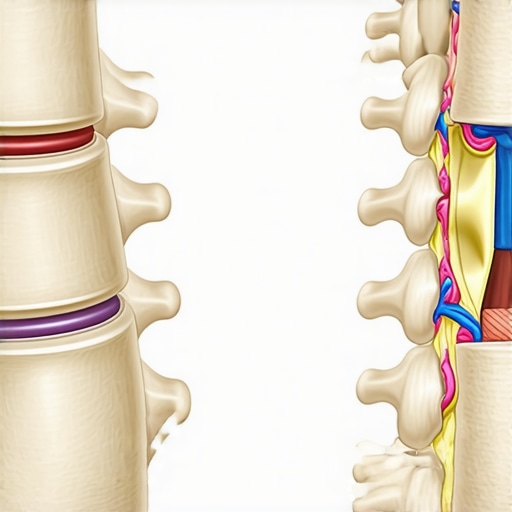
Why your core strength matters more than your mattress brand
I vividly remember waking up one morning, my neck feeling like I’d been twisting a ragdoll all night. No amount of flipping or fluffing my pillow seemed to help. Frustration crept in, and I couldn’t shake the feeling that maybe my mattress was to blame. But after a bit of research and personal trial, I realized something transformative—my core strength was the real key to relieving that nagging discomfort. This lightbulb moment shifted my entire approach to managing and preventing neck and back pain.
Struggling with Persistent Neck and Back Pain? You’re Not Alone
For years, I believed the hype that upgrading my mattress would do the trick. I thought a softer or newer model would magically erase my aches. Turns out, that was just a distraction. While a supportive mattress can help, it’s often not the main player in your spinal health. In fact, many overlook a crucial component that can make or break your recovery—your core muscles.
Having a weak core can lead to instability, causing your spine to compensate in ways that trigger pain and reduce mobility. Think of your core as the foundation of your house; if it’s shaky, no amount of fancy furniture or bedding will provide stability. In my experience, focusing on strengthening my core made a bigger difference than any mattress upgrade.
If you’ve faced similar struggles, you’re probably wondering—does core strength really matter more than the mattress I sleep on? The answer is a resounding yes. Strengthening these muscles stabilizes your spine, improves posture, and reduces the strain on delicate structures. Plus, it’s a sustainable, long-term solution that empowers you to take control of your health.
According to a study published in the Journal of Physical Therapy Science, core stability exercises significantly reduce neck and back pain symptoms in chronic sufferers ([source](https://quackersspinal.com/neck-pain-no-more-expert-chiropractic-solutions-that-work)). So, before you rush out to buy the newest mattress, consider whether your foundational strength might be the missing piece.
In the upcoming sections, I’ll walk you through practical steps to assess and boost your core muscles, helping you regain mobility and relief—without endless mattress hopping. Ready to get started on a more effective path to pain-free living? Let’s dive deeper into why core strength matters more than a mattress brand and how you can start improving it today.
Start With a Practical Self-Assessment
First, gauge your current core strength by trying a simple plank test. Lie face down, then lift onto your forearms and toes, keeping your body in a straight line. If holding this position for 20 seconds feels challenging, you have room to improve. I remember trying this after my first attempt, wobbling like a jellyfish, realizing my core was weaker than I thought. This honest assessment guides your exercise plan and prevents overdoing it.
Incorporate Basic Core Activation Exercises
Begin with foundational moves like the pelvic tilt and bird-dog, which activate your deep stabilizer muscles. For example, in my early days, I did bird-dogs while watching TV. Extend one arm and the opposite leg, then hold for 5 seconds, then switch sides. This move resembles a balanced tightrope walk, engaging your core without taxing your back. Doing this daily enhances spinal stability naturally.
Progress to Dynamic Strengthening
Once comfortable, add more challenging routines like side planks or dead bugs. These exercises mimic real-life movements, strengthening your core dynamically. I once tried side planks with a yoga ball, wobbling and shaking—messy but effective. Over time, these workouts build resilience, similar to reinforcing the foundation of your house, preventing the instability that causes neck and back pain.
Prioritize Proper Technique to Avoid Injury
Focus on maintaining neutral spine alignment during workouts. Imagine your spine as a stack of coins; keep them aligned to avoid tipping over. I nearly strained my neck by rushing through the movements with poor form, which reminded me that mindful execution is vital. Proper technique ensures your efforts translate into real strength gains without setbacks.
Make Core Bracing a Daily Habit
Throughout the day, practice bracing your core by gently tightening your abdominal muscles whenever you sit or stand. This habitual engagement acts like a natural corset, supporting your neck and spine. I started doing this during long meetings, feeling my posture improve bit by bit. Small, consistent habits like this add up to a stronger, more stable core that reduces pain over time. For a comprehensive approach, consider combining these exercises with professional guidance, such as visiting a chiropractor who can tailor a plan to your needs. More tips can be found at this resource.
In the quest for relief from neck and back pain, many people cling to common myths that can actually hinder their recovery. One widespread misconception is that pain primarily stems from muscle strain or joint issues, leading individuals to focus solely on local treatments like stretching or anti-inflammatory medications. However, recent research indicates that the root causes are often more complex, involving neuromuscular control and spinal stability. According to Dr. Stuart McGill, a leading spine researcher, issues like poor motor control and faulty movement patterns play a critical role in persistent pain, yet these aspects are frequently overlooked in favor of quick fixes.
Another commonly held belief is that chiropractic adjustments provide an immediate, complete fix to pain and mobility issues. While chiropractic care can be highly effective for certain conditions, over-reliance on it as a quick solution without addressing underlying stability deficits can lead to recurrence. A nuanced understanding reveals that adjustments should be integrated into a comprehensive approach that includes strengthening and movement retraining, rather than viewed as standalone cures. For instance, experts emphasize that developing deep core stability is essential to maintain long-term improvements and prevent future flare-ups. To learn more about how chiropractic care complements functional stability training, visit this resource.
Are Symptoms Always a True Indicator of the Cause?
It’s tempting to diagnose your pain based on where it hurts most, but the truth is that localized symptoms can be deceptive. For example, a stiff neck might be a sign of deeper issues like cervical disc degeneration or even a misaligned pelvis affecting your posture. Research published in the European Spine Journal highlights that pain patterns can be misleading, and a thorough assessment—including movement analysis and spinal imaging—is often necessary for accurate diagnosis. This nuance underscores the importance of seeking expert evaluations rather than self-diagnosing or relying solely on symptom location. Remember, superficial treatments might mask symptoms temporarily, but they may not address the core problem, leading to prolonged discomfort or recurrence. Curious about how to identify underlying causes effectively? Reach out through this contact page and get personalized insights.
In sum, the critical takeaway is to look beyond superficial beliefs and embrace a holistic, evidence-based approach toward neck and back health. By recognizing the importance of neuromuscular control, integrating proper movement patterns, and seeking comprehensive assessments, you can significantly enhance your recovery journey. Have you ever fallen into this trap? Let me know in the comments and share your experiences or questions about navigating the nuances of spinal health.Maintaining spinal health over time requires more than just occasional stretches or visits to the chiropractor. Having the right tools and routines integrated into your daily life can make a significant difference in preventing setbacks and scaling your mobility. One cornerstone of my own regimen is the use of a portable foam roller, specifically designed for targeted muscle release. I personally prefer the TriggerPoint GRID foam roller because its textured surface effectively breaks up trigger points in the thoracic and lumbar regions without causing discomfort. Regular use, especially after long periods of sitting, helps maintain muscle elasticity and blood flow, reducing the risk of stiffness and pain.
Why I Swear by a Core Stability Ball
Incorporating a stability ball into daily core exercises has been a game-changer. Unlike traditional exercises on a flat surface, the dynamic instability of a ball challenges your deep core muscles, promoting better postural control. I use the Swiss Ball by LiveInfinitely because it supports proper spinal alignment during core routines and is durable enough to withstand frequent use. This tool has allowed me to progress from basic planks to more advanced balance exercises, contributing to sustained spinal stability.
To ensure you’re not just maintaining but also improving your mobility, integrating software like the Chiropractor’s Choice app has helped me track progress and stay consistent. The app offers guided routines tailored for neck and back health, along with reminders and adjustments based on performance. As technology evolves, I believe future tools will incorporate AI-driven feedback, making home-based muscle activation and mobility exercises even more effective.
How do I keep my health strategies sustainable over years?
Consistency is key. I recommend setting aside a dedicated time each day for using these tools—whether that’s a quick 5-minute foam rolling session or a 10-minute core challenge on the stability ball. Additionally, periodic reassessment via professional consultations ensures that your routines adapt to changing needs. For example, I schedule annual check-ins with my chiropractor, referencing insights from studies like those published in the Journal of Physical Therapy Science, which emphasize tailored functional exercises for chronic pain management ([source](https://quackersspinal.com/neck-pain-no-more-expert-chiropractic-solutions-that-work)).
To bolster your long-term results, I urge you to try the deep core activation trick I recently adopted: engaging your transverse abdominis during all daily movements. It’s a simple yet powerful habit that reinforces stability and minimizes strain. Make it a point to incorporate this practice today and observe how your resilience to pain improves over weeks.
Incorporating these tools and strategies isn’t just about temporary relief; it’s about building a resilient foundation for years to come. If you’re ready to take your spinal health seriously, explore professional guidance and integrate one of these advanced tools into your routine. Want personalized recommendations? Reach out through this contact page to get started.
What I Wish I Knew Before Relying Solely on My Mattress
The hardest lesson I learned was that no fancy mattress could compensate for weak core muscles. Strengthening my abdomen and back was the game-changer, not just my sleep setup.
One lightbulb moment was realizing that pain often isn’t just about the area it hurts—it’s about the stability of your entire spine. Focusing on neuromuscular control transformed my approach from reactive to proactive.
Dealing with persistent discomfort showed me that quick fixes like stretching or adjustments only scratch the surface. True freedom from pain comes from building resilience through consistent, targeted core work.
Lastly, I understood that lasting mobility depends on habits, not just exercises. Integrating core bracing into daily routines fortified my spine against daily stresses, proving that small daily actions create big change.
My Toolbox for Lasting Spinal Happiness
I trust the Revitalize Your Mobility program for its comprehensive approach that combines stability, posture, and movement refinement.
Books like Dr. Stuart McGill’s “Low Back Disorders” have reshaped my understanding of core stability and injury prevention. They’re foundational for anyone serious about long-term health.
The Expert Chiropractic Solutions site offers insights into how professional assessments complement self-care routines, emphasizing personalized strategies for ongoing wellness.
Finally, tools like the TriggerPoint GRID foam roller and a quality stability ball became my allies in maintaining muscle elasticity and deep core engagement. They turn routine maintenance into empowering practices.
Seize the Moment and Reinvent Your Spinal Journey
Remember, your neck pain and back issues are a call to action, not a life sentence. Embracing the lessons learned and integrating reliable tools can open the door to pain-free living and better mobility. The path forward is yours—start today, and redefine what your spine can achieve.