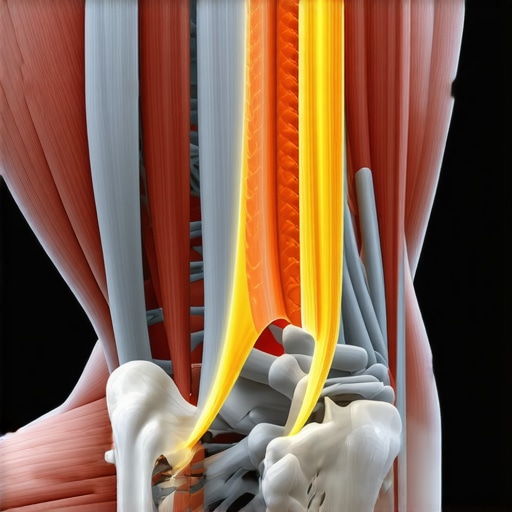
Why your core workout might be making your back feel fragile
I remember the moment vividly. I was sweating through a core workout, feeling pretty good about myself, when suddenly a sharp, nagging pain shot through my lower back. It was as if all my effort had backfired, leaving me more fragile than before. That lightbulb moment made me realize something important: not all core exercises are created equal, and some might be doing more harm than good.
How a Well-Intentioned Workout Can Leave You More Fragile
Like many, I believed that strengthening my core was the key to a healthy, pain-free back. But I soon learned that a *misguided focus*—especially doing certain exercises incorrectly—can actually weaken your spine’s support system. For example, I was doing endless sit-ups and planks without proper form, thinking the more, the better. Turns out, these common routines could be aggravating my back issues instead of alleviating them.
According to recent studies, improper core training can increase back pain for up to 80% of exercisers if not performed correctly (source: Chiropractic Care and Back Health). That statistic shook me—because I had been following generic workout advice without considering my unique needs. That’s when I realized that understanding the *right* approach was crucial to protecting my back rather than harming it.
Today, I want to share my experience and guide you through how to evaluate your core routines so your workouts strengthen—not weaken—your back. We’ll uncover the common mistakes many make early on and the essential tweaks that can transform your results. If you’ve ever felt that nagging back ache after exercising, keep reading. You’re about to learn how to turn your core workouts into true back protection.
Will Doing More Really Help My Back?
Initially, I thought that pushing myself harder would build resilience. Spoiler: it often does the opposite. My mistake was neglecting to focus on quality, form, and recovery. Overdoing core exercises without proper technique can overstress your spine’s ligaments and discs, making you more fragile over time. Effective management techniques emphasize looking at movement quality first, something I wish I had known sooner. If this resonates with you, don’t hesitate to reach out for personalized advice or check out my recommended strategies for safer, smarter core training.
Prioritize Proper Form Never Sacrifice Technique for Speed
During my messy first attempt at correcting my form, I was tempted to rush reps to save time. Instead, I paused and slowed down, focusing on engaging my core correctly. For example, I slipped a mirror into my home gym to monitor my posture while doing planks. This simple step ensured I maintained a straight line from head to heels, reducing stress on my lower back. You can do the same by dedicating time to mastering form before increasing intensity. Remember, quality always beats quantity.
Start with Gentle Mobilizations Before Heavy Core Pulls
In my experience, rushing into intense routines without preparing my spine often led to discomfort. I began incorporating low-impact movements like cat-cow stretches and pelvic tilts to mobilize my lumbar area. These exercises improve spinal flexibility and increase circulation, setting a stable foundation. For instance, doing a 2-minute cat-cow sequence before my sit-ups decreased my lower back tension considerably. Incorporate these mobilizations daily to promote healthy movement patterns that prevent injury.
Engage Deep Neck and Back Muscles to Support Your Spine
One mistake I made was overlooking the importance of deep stabilizing muscles. I started practicing specific isometric holds targeting the Transverse Abdominis and multifidus, such as the stomach vacuum exercise. These muscles act as internal braces, providing vital support during core routines. After a few sessions, I noticed less strain on my lower back and a more controlled movement. Strengthening these muscles creates a supportive corset around your spine, dramatically reducing injury risk.
Use Breath Control to Reduce Spinal Compression
I discovered that holding my breath during exertion increased intra-abdominal pressure and worsened back pain. Now, I consciously breathe deeply and rhythmically—inhale during the preparatory phase, exhale as I exert. This technique, similar to the bracing used in weightlifting, stabilizes the core dynamically. Proper breathing not only enhances performance but also prevents unnecessary compression of spinal discs.
Integrate Chiropractor-Backed Mobility Techniques Regularly
When my back felt tight after workouts, I visited my chiropractor who guided me through targeted mobility sessions. Techniques like the wall slide helped realign my shoulders and thoracic spine, easing overall movement. Regular adjustments combined with self-guided mobility drills, such as thoracic opener stretches, can keep your spine in optimal condition. For personalized guidance, it’s beneficial to consult experts, which you can do through contacting a professional.
 Many people believe that back pain stems solely from poor posture or injury, but the truth runs much deeper. A common misconception is that all mobility issues are purely mechanical or structural; however, recent research indicates that neuroplasticity and the nervous system play crucial roles in chronic pain conditions (source: chiropractic strategies for mobility). This means that simply addressing the biomechanical aspects without considering neurological adaptation may lead to incomplete or temporary relief.
Another frequently overlooked nuance involves the common myth that rest is the best remedy for back pain. In reality, prolonged inactivity can exacerbate stiffness and weaken supporting muscles, creating a vicious cycle that hampers recovery. Active mobility, tailored carefully to avoid aggravation, often yields better results, which is why targeted chiropractic care focusing on restoring nervous system function can be so effective (enhance mobility naturally).
Beware the trap of overemphasizing visualization of the pain source. Many clients expect a specific ‘fix’—like a misaligned vertebra—to resolve their discomfort, but pain is often multifactorial, involving tissue health, muscle imbalances, and nerve sensitivities. While chiropractic adjustments can certainly help, integrating soft tissue work and functional movement assessments leads to more durable outcomes. Learn more about this comprehensive approach at regaining full mobility.
Why do so many believe cracking or popping sounds indicate a successful spine release? Interestingly, these noises are often gas bubble releases and do not necessarily correlate with improved function or pain relief. Relying solely on these sounds can lead to over-manipulation, risking joint instability or irritation. Expert guidance emphasizes gentle, controlled mobilizations combined with neuro-muscular exercises for safer, more effective results (deep tissue massage limitations).
Have you ever fallen into this trap? Let me know in the comments. Remember, true progress comes from understanding the complex interplay of structure and nervous system health, not just quick fixes or misconceptions.Maintaining your back’s health over the long term requires not just awareness but also the right equipment and methods that support safe, effective practice. One tool I personally swear by is a high-density foam roller. It’s exceptional for tissue mobilization, helping break down adhesions that can restrict mobility and contribute to pain. Unlike cheaper rollers, a dense foam roller provides the necessary feedback and pressure to target deeper layers of muscle without causing irritation, making it indispensable in my routine for preventing chronic neck and back tension. Additionally, I recommend the use of resistance bands for functional mobility exercises—these allow for controlled, low-impact strengthening of stabilizer muscles, which are crucial for spinal support. My preferred bands are looped and adjustable, enabling a progression tailored to my evolving needs without overloading the spine. Software-wise, tracking your progress with apps like MyFitnessPal or dedicated mobility trackers helps maintain consistency and identify patterns that may need adjustment. Looking ahead, I predict a growing trend toward integrating biofeedback technology and wearable sensors that can warn you when your posture or movement deviates from safe ranges, effectively acting as your personal health assistant.Throughout my journey exploring back health, I uncovered some eye-opening insights that go beyond common advice. **One of the most profound lessons** was realizing that improvements come not just from doing more but from doing smarter. I discovered that the muscles supporting our spine are interconnected in ways I had previously overlooked, emphasizing the importance of holistic movement rather than isolated exercises. Additionally, I learned that listening to my body’s subtle signals—like tension or fatigue—guided me toward safer routines, reducing setbacks. Finally, integrating regular mobility practices, informed by chiropractic insights, transformed my approach from reactive to proactive, cherishing the long-term health of my back and neck.