Ever felt that surge of frustration when you finally step out of the driver’s seat and the dull, persistent ache in your lower back hits you like a ton of bricks? I know that feeling all too well. It’s that moment of realization that something’s off—you’re stiff, sore, and wondering why, after just a short trip, your back is protesting so loudly. I used to brush it off as just ‘getting older,’ but I soon discovered it was a common pattern many overlook.
One lightbulb moment for me came when I realized that my daily drive to work was silently sabotaging my back health. The seat position, the prolonged sitting, and even how I got out of the car—all contributed to that familiar pain. If you’re nodding along, then guess what? You’re not alone. And better yet, there’s hope—simple, effective fixes that can make a huge difference.
Understanding Why Driving Sparks Lower Back Pain
Our cars become extensions of our daily routines, but they can also be hidden culprits behind back discomfort. When you’re behind the wheel, your spine is under constant pressure, especially if your seating posture isn’t optimal. Slouching, twisting, or even just long periods without movement can tighten muscles and put strain on your lumbar region. Over time, this can cause persistent pain that lingers long after you’ve parked.
Early on, I made the mistake of ignoring minor discomforts, thinking they’d go away. But neglecting how I sat or moved during stops only worsened my symptoms. That’s why understanding the mechanics of our bodies and how they interact with our driving habits is crucial. For many, simple tweaks like adjusting seat height or adding lumbar support can drastically reduce strain. Want to learn more? Check out these proven chiropractic strategies for lasting relief.
In the upcoming sections, I’ll share four quick, practical fixes that have worked wonders for me—and could do the same for you. These tips aren’t magic; they’re based on real-life experience and trusted advice. So, grab a seat, and let’s get your back feeling better, faster.
Is Lower Back Pain After Driving Actually Worth the Hype?
Trust me, I’ve been there—believing the pain was just part of aging or a bad day. The truth is, ignoring it can lead to bigger problems down the line. According to research, sitting for extended periods can increase lumbar stress by up to 50%. That’s no small number. I used to think my lumbar ache was just a minor annoyance, but it was a sign that I needed to change my habits. And if you’ve experienced similar discomfort and wondered if it’s worth fixing, the answer is a resounding yes. Addressing these issues early can prevent chronic problems and improve your overall mobility. Interested in how to get started? Explore this comprehensive guide for expert-backed tips.
Now that you understand why driving can be a sneaky culprit, let’s move on to some quick, effective remedies you can try today. These fixes are straightforward and designed to break the cycle of pain and stiffness. Ready to reclaim your comfort? Let’s dive in!
Start with Proper Seat Adjustment
First, set your seat so your hips are level or slightly higher than your knees, mimicking a natural, comfortable posture. I remember the first time I changed my seat height—initially it felt off, but within minutes, my lower back felt less strained. Adjust the seat lumbar support to cradle your lower back firmly, not too tight, to promote the natural curve of your spine. An incorrect seat position is like a car with misaligned wheels—over time, it wears your back down. For detailed guidance, explore these chiropractic techniques.
Implement Dynamic Movements During Stops
Stretch Your Legs and Spine
Every 15 to 20 minutes, take a moment to stretch. Stand up, bend forward gently to touch your toes, or perform gentle twists. In one instance, I paused during a long road trip, doing a simple side stretch—I immediately felt relief, as if my spine had been realigned temporarily. Think of your spine like a rubber band; it needs gentle elongating to maintain flexibility. Regular movement prevents muscles from tightening and ‘freezes’ your lower back in place. Check out these expert methods for effective stretching.
Strengthen Through Targeted Exercises
Incorporate core-strengthening routines that stabilize your lower back, much like how a well-built foundation supports a house. I added daily planks and gentle bridges, noticing significant reductions in pain. Avoid just stretching; strengthening muscles around your spine creates a resilient support system. Imagine your back muscles as the scaffolding reinforcing a building—stronger scaffolding resists the wear and tear from daily activities. To learn which exercises are most effective, visit this step-by-step guide.
Optimize Your Posture Outside of the Car
Posture isn’t only about sitting; it affects your spine during other activities. When standing or lifting objects, keep your back straight and engage your core, much like bracing a load before lifting. I caught myself slouching while at my desk and corrected it—over days, this habit improved my back’s endurance, similar to upgrading the girders supporting a bridge. Remember, good posture reduces cumulative stress on your lumbar region, making daily activities less punishing. For detailed posture corrections, see this comprehensive resource.
Consult Professionals for Customized Care
If pain persists despite these measures, seeking expert guidance is essential. Chiropractors can identify underlying issues, much like mechanics diagnosing a vehicle’s hidden problem—sometimes, misalignments or subluxations are the root cause. I experienced rapid relief after a professional adjustment, which realigned my spine and reset my muscle tensions. Don’t let discomfort fester; explore proven chiropractic strategies tailored for your condition. Their personalized plans can restore your mobility and prevent future pain.

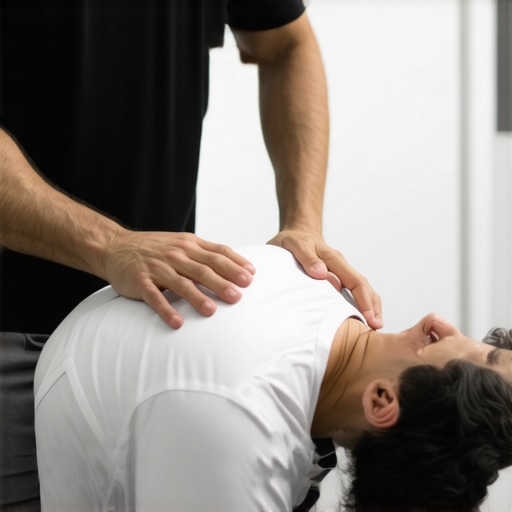 Many people believe that persistent neck pain or back discomfort is simply an inevitable part of aging, leading to a passive acceptance of suffering. However, this misconception overlooks the nuanced mechanics of spinal health and the advanced techniques available through expert chiropractic care. For example, the widespread myth that all neck pain requires surgery can be dangerous; often, targeted chiropractic adjustments and mobility exercises can resolve issues effectively without invasive procedures. Recognizing these nuances requires an understanding of common pitfalls, such as ignoring subtle warning signs or mistaking temporary stiffness for chronic problems. An advanced mistake many make is over-relying on passive treatments like pain medications, which may mask symptoms but fail to address underlying issues—prolonging recovery and risking dependency. Expert insights emphasize that restoring mobility and spinal alignment through precision adjustments and personalized rehab programs often leads to sustainable relief. For those seeking a deeper understanding, exploring comprehensive strategies like those outlined in mastering back and neck pain relief can be transformative. So, next time you face persistent discomfort, consider whether you’re falling prey to common myths—sometimes, the truth about spine health is more straightforward than you think. Have you ever fallen into this trap? Let me know in the comments.
How Do I Keep My Back and Neck Moving Smoothly Over Time?
Maintaining spinal health and mobility is an ongoing process, and having the right tools can make a significant difference. Over the years, I’ve integrated a few key pieces of equipment and techniques that have truly helped me stay pain-free and agile. One essential tool I swear by is a high-quality foam roller. It helps release muscle tightness and promotes blood flow, especially after long periods of sitting or driving. I personally prefer a dense, 36-inch foam roller because it offers targeted pressure and durability. Regular rolling stimulates my fascia, keeps my muscles pliable, and prepares my body for daily movement.
Another vital item is a portable chiropractic massager. I use one with adjustable heat and targeted percussion, which allows me to perform self-myofascial release on stubborn areas such as the lower back or shoulders. This tool not only relieves tension but also supports long-term mobility by preventing muscle knots that can restrict movement. Having this accessible equipment at home has made a noticeable difference in preventing flare-ups and ensuring I can move freely.
Additionally, I highly recommend a posture correction device, especially if you spend hours at a desk. A posture corrector gently reminds you to keep your shoulders back and neck aligned. It’s a subtle yet effective way to reinforce good habits and avoid chronic misalignment that leads to discomfort. Incorporating these tools into my daily routine has yielded long-term results, significantly improving my resilience against back and neck pain.
Looking ahead, I predict that wearable tech will play an even bigger role in spinal wellness. Devices that monitor posture and movement can remind us to adjust throughout the day, promoting healthier habits consistently. For now, combining manual tools like foam rollers, massagers, and posture aids creates an effective toolkit to keep your spine functioning at its best.
Interested in a comprehensive approach? Dive into these proven chiropractic techniques for sustained relief. Remember, consistency is key—try integrating one or two of these tools into your routine this week and notice the difference!
What I Learned the Hard Way About Spinal Care
The biggest lesson I discovered was that persistence with scales and quick fixes often leads to temporary relief, not real healing. It took me countless setbacks and deep dives into expert advice to realize that consistency and personalized care are key. One lightbulb moment was understanding that misalignments don’t just cause pain—they can silently erode mobility over time. Prioritizing active engagement with my spinal health transformed my approach from reactive to proactive. Trusting in proven chiropractic techniques over shortcuts made all the difference, and it has become a daily ritual rather than an afterthought.
Tools That Changed How I Manage Neck and Back Pain
Over the years, I’ve come to rely on a handful of trusted tools that support my spinal wellness. The foam roller, for instance, became my go-to for releasing muscle tightness and maintaining flexibility—it’s simple but powerful. A portable percussion massager helped me target stubborn knots and accelerate recovery, especially after long days of sitting or driving. Additionally, a posture corrector served as a gentle reminder to keep good habits at my desk and on the go. These tools, paired with expert-backed strategies from trusted chiropractic practices, continue to empower my journey toward pain-free living.
Embrace the Journey to Better Mobility and Comfort
Taking charge of your neck and back health isn’t about quick fixes—it’s about cultivating habits and mindset that promote lasting mobility. Remember, progress may be gradual, but every small step counts. Whether it’s adjusting your seat with intention, incorporating regular movement, or consulting a trusted professional for personalized guidance, you hold the power to transform pain into strength. Your journey toward improved spinal health starts now; embrace it with patience and resilience, knowing that consistent effort can unlock a future of comfort and freedom. Start today and rediscover the joy of moving without worry.
What was your biggest epiphany in tackling neck or back pain? Share below—I’d love to hear your story!
,