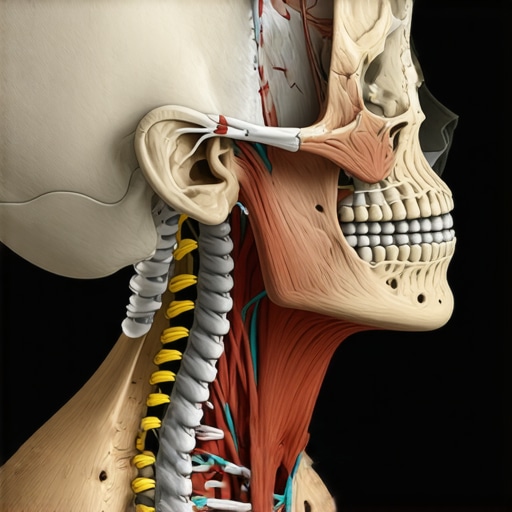
Why Your Pillow Might Be Too Soft for Your Neck Height
It was late at night when I finally realized the terrible truth: lying in bed, my neck aching more than ever, and that familiar stiffness refusing to release. I had been convinced my pillow was the perfect softness, plush enough to cradle my head into restful bliss. Turns out, that seemingly innocent choice was silently sabotaging my sleep quality and fueling persistent neck pain. It was a lightbulb moment for me—one that shifted how I approached my sleep setup.
Why Your Pillow Might Be Causing More Harm Than Good
One common mistake I see often is choosing a pillow based solely on softness or fluffiness. The idea is comfort, right? But for many of us, a pillow that’s too soft fails to support the natural alignment of our neck and spine. When your neck isn’t properly supported, it can lead to muscle strain, nerve compression, and chronic pain over time. I learned this the hard way after waking up with increased stiffness and headaches that refused to go away. The secret is understanding that support is more important than fluffiness.
In fact, recent studies have shown that inappropriate pillow height and firmness can significantly impact neck health, sometimes even more than our mattress quality. According to chiropractic expert insights, the right pillow should keep your neck aligned with your spine, especially during sleep, to prevent those uncomfortable knots and tension points. If I had known earlier that a pillow’s firmness matters more than its softness, I would have made smarter choices from the start.
Is All the Hype About Soft Pillows Actually Worth It?
One of my early mistakes was following the popular trend—endorsing fluffy, squishy pillows without considering individual needs. I assumed that softer meant more comfortable, but comfort isn’t just about plushness. It’s about maintaining proper neck posture, especially while sleeping.
If you’re skeptical, I totally get it. It sounds counterintuitive, right? How could something soft and squishy cause pain? But trust me, a pillow that’s too soft won’t support the curve of your neck, pushing your head out of alignment. This misalignment can strain muscles and lead to longer-term pain—a reality I painfully experienced.
For more insights on optimizing spinal health while sleeping, check out how chiropractic strategies can help enhance your sleep posture and relieve neck discomfort. Curious about how your sleep setup stacks up? You might want to explore these [chiropractic secrets to boost neck comfort and function](https://quackersspinal.com/chiropractic-secrets-to-boost-neck-comfort-and-function). Now, let’s dive into what specific pillow features you should look for to avoid these pitfalls.
Choose the Right Pillow for Proper Support
Start by selecting a pillow that maintains your neck’s natural curve. Opt for medium firmness—too soft, and your neck will sag; too hard, and it can cause pressure points. I once swapped my plush pillow for a contour memory foam version, which immediately reduced my morning stiffness. Focus on pillows designed to support the cervical spine, such as those that keep your head aligned with your spine.
Adjust Pillow Height According to Sleep Position
If you’re a side sleeper, your pillow should fill the gap between your shoulder and head, maintaining a straight line from neck to spine. For back sleepers, a thinner pillow that supports the neck without elevating the head excessively is ideal. I experimented with different heights—initially too high, which caused pain, then lowered it gradually until my neck aligned comfortably. Achieving the right height is critical to prevent strain and improve mobility.
Optimize Your Sleeping Posture
Sleeping position matters. Avoid sleeping on your stomach, which forces your neck into unnatural rotation. Instead, sleep on your side or back, ensuring your head isn’t tilted excessively. I started placing a small pillow or towel roll under my neck when lying on my back, which enhanced support and alleviated pressure points.
Implement Supportive Bed Adjustments
Ensure your mattress isn’t too soft or too firm. A mattress that allows your spine to stay in a neutral position reduces strain on your neck. I replaced my sagging mattress and noticed immediate improvements in neck and back comfort. Use additional pillows or mattress toppers if necessary to fine-tune support.
Incorporate Gentle Neck Mobilization
During the day, perform gentle stretches to maintain mobility. For example, slowly tilt your head side to side, hold each position for 15 seconds, and avoid jerking movements. I added these stretches after waking up and before bed, which kept my neck flexible and prevented stiffness.
Practice Regular Chiropractic Care
Consistent adjustments can restore proper alignment and prevent pain. Learn how chiropractic strategies can help enhance your sleep posture and relieve neck discomfort by exploring these insights. Regular visits can address misalignments before they become chronic issues, improving your overall mobility.
Stay Mindful of Your Daily Habits
Poor ergonomics during daytime activities affect sleep quality. Limit screen time before bed and avoid cradling your phone between your neck and shoulder. I began setting reminders to check my posture and stretch periodically, which contributed to less neck tension at night.
Remember, supporting your neck during sleep is about more than a good pillow—it’s a combination of correct choice, posture, mattress support, and daily habits. Adjusting these factors can significantly reduce neck pain and improve your long-term mobility and comfort.
Many people believe that pain is purely a structural issue, but in my experience, misconceptions about neck and back pain often lead to ineffective treatments and persistent discomfort. A common myth is that chiropractic adjustments alone can permanently resolve chronic pain without considering lifestyle factors or spinal health nuances. This oversimplification overlooks the complexity of neuromuscular integration and how subtle misalignments can influence long-term mobility. Research highlights that spinal misalignments can persist silently without symptoms until they manifest as pain or stiffness, emphasizing the importance of regular, nuanced assessments rather than one-off treatments. Additionally, many assume that pain is always localized; however, pain can be a reflection of systemic neuromuscular patterns or compensations originating elsewhere in the spine or even the pelvis. An advanced mistake I see is neglecting the significance of spinal health links, such as the connection between neck discomfort and overall spinal alignment, which requires a comprehensive approach to restore mobility effectively. Knowing these nuances can prevent practitioners and patients from falling into common traps, like over-reliance on symptomatic relief rather than addressing root causes. For example, applying targeted chiropractic care with an understanding of these hidden connections can significantly accelerate recovery, as explained in detailed guides like these insights on the link between neck pain and spinal health. Recognizing and respecting the intricate neuromuscular relationships ensures long-term success, preventing the cycle of temporary relief and recurring discomfort. So, next time you hear a quick fix, remember that true mobility involves understanding and addressing these deeper nuances. Have you ever fallen into this trap? Let me know in the comments.Maintaining your neck, back, and overall mobility over time requires strategic tools and consistent effort. One of my favorite investment is the use of a quality foam roller, specifically a 36-inch textured version. I personally use it daily to perform gentle myofascial release on my thoracic and lumbar regions, which helps prevent stiffness and restores movement. This simple yet effective tool complements chiropractic adjustments perfectly, enabling me to sustain improvements between visits.
In addition, incorporating a theraband resistance band has been a game-changer for me. I use it to perform targeted stretches and strengthening exercises that focus on shoulder flexibility and core stability, which are crucial for maintaining spinal support. These bands are inexpensive, versatile, and travel-friendly, making them a staple in my routine.
For tracking progress and ensuring I follow a personalized plan, I rely on mobility apps like ‘MobilityWOD’, which offers guided routines designed to address specific issues like neck tension or lower back discomfort. These apps help me stay accountable and adapt my exercises as my condition improves, moving toward long-term relief rather than temporary fixes.
How do I maintain mobility and pain relief over time?
Integrating a combination of manual therapy, like regular chiropractic sessions, with self-administered tools creates a synergistic effect. I schedule bi-weekly chiropractic adjustments focusing on spinal alignment and soft tissue health. These visits are complemented by daily self-care routines involving foam rolling, stretching, and strengthening exercises. Regularly revisiting core principles, such as maintaining proper ergonomics and sleep posture, ensures that even as my body adapts, I continue to move freely and pain-free.
Moreover, proactive measures, such as setting reminders to check my posture during work and engaging in mobility drills, help me catch issues before they escalate. As trends move towards more personalized health tech, I predict that in the near future, smart wearable devices will integrate with AI to provide real-time feedback on posture and movement, further enhancing long-term outcomes.
Master your longevity: What tools can you start using today?
Consider trying a stretching routine with a simple resistance band or foam roller to reinforce spinal health and mobility. These tools are easy to incorporate into daily life and serve as powerful complements to chiropractic care. If you’re unsure where to start, consult resources like these insights on self-care strategies that can keep your neck and back functioning at their best. Remember, consistency with these tools is key to preventing pain and maintaining your mobility for the long haul.
The Hardest Lesson I Learned About neck pain,mobility,back pain,chiropractic
One of the most impactful realizations I had was that simple daily choices—like pillow selection and posture—can have profound effects on long-term neck health. I used to believe that pain was just an inevitable part of aging or injury, but discovering how support support, support—literally—can prevent that pain became a game changer. I learned that ignoring subtle misalignments and support issues only prolongs discomfort and limits mobility.
My Go-To Tools That Changed the Game for neck pain,mobility,back pain,chiropractic
Investing in a high-quality foam roller and resistance bands has empowered me to take control of my spinal health. The foam roller helps release tension in my thoracic and lumbar regions, complementing chiropractic care and preventing stiffness. Meanwhile, resistance bands allow targeted strengthening and flexibility exercises that support proper posture. These tools are affordable, accessible, and serve as daily reminders that wellness is a continuous journey, not a one-time fix.
What I Wish I Knew About neck pain,mobility,back pain,chiropractic When I Began
I underestimated how interconnected spinal health truly is. Understanding that neck pain can stem from subtle misalignments elsewhere in the spine, or even in the pelvis, shifted my approach from symptom treatment to addressing root causes. Learning about the hidden link between your neck and overall spinal health made me realize that a holistic view, including regular chiropractic assessments and lifestyle adjustments, is essential for lasting relief.
Embrace the Next Step in Your Neck Care Journey
Prioritizing neck health and mobility is a continuous process that grows more rewarding the more you stay committed. Incorporate smart tools, mindful habits, and professional guidance, and you’ll unlock greater ease and freedom of movement. The future of neck care is personalized, tech-enabled, and proactive—so why not start today? If you’re curious about how chiropractic strategies can further enhance your journey, explore these expert tips that can set you on the path toward lasting relief.