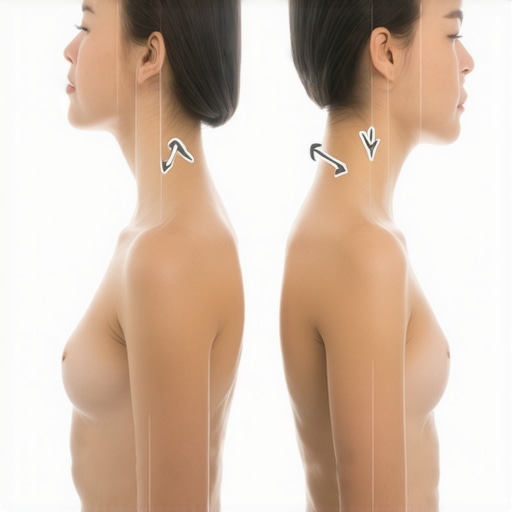
Why your shoulder blade keeps ‘winging’ and how to stabilize it
I remember the first time I noticed my shoulder blade sticking out oddly while reaching for something on a high shelf. It wasn’t a sudden pain or injury, just a strange glimpsing in the mirror that sent a wave of frustration down my spine. I felt like I was gradually losing control over my own body, and that little winging movement made me worry about what was happening beneath my skin. Have you ever experienced that odd, unexplainable winging of your shoulder blade, and wondered if it’s something serious?
Why You Should Care About Your Winged Shoulder Blade
This isn’t just about appearance—although, let’s be honest, it’s hard not to feel self-conscious when your shoulder looks like it’s trying to escape. More importantly, it’s a sign that something isn’t quite right with your muscles, nerves, or posture. When your shoulder blade wings, it often means the muscles around your scapula are imbalanced, weak, or not functioning as they should. Over time, this can lead to persistent back and neck pain, limited mobility, and even nerve issues. In fact, recent research shows that scapular winging can be a precursor to more serious shoulder problems if left unaddressed (source: https://quackersspinal.com/back-pain-recovery-how-chiropractic-care-transforms-lives).
Early on, I made the mistake of ignoring it, thinking it would go away on its own. Instead, it worsened, and what started as an annoyance turned into a daily source of discomfort. That’s when I realized I needed to understand the root causes and take meaningful steps to stabilize my shoulder. If you’re tired of feeling uneven, weak, or worried about potential injuries, I promise that with some targeted strategies, you can regain control and stability over your shoulder blade. Today, I’ll share what finally worked for me—approaches rooted in practical, expert-backed techniques that you can start implementing today.
Is Shoulder Winging Actually Worth the Hype?
It’s a fair question—many dismiss scapular issues as minor, but I learned the hard way that ignoring them can lead to bigger problems down the line. One mistake I made early on was thinking I could just “push through” the discomfort without understanding the underlying muscle imbalances. If you’ve faced similar doubts, know that addressing winging isn’t just about aesthetics; it’s about preserving your shoulder health, mobility, and comfort. And I’ll be honest—recovery takes patience and consistent effort. That’s why I’m here to guide you through proven steps to stabilize that wing and get your shoulder back to normal.
Strengthen the Rotator Cuff and Scapular Stabilizers
To address the winging shoulder blade, focus on activating and strengthening the muscles responsible for scapular stability, such as the serratus anterior, lower trapezius, and rotator cuff muscles. I recall a messy but revealing session where I used resistance bands to perform punch-outs and scapular squeezes. These exercises are like the anchors holding a boat steady during rough seas—they keep your shoulder blade connected and functional. Start with 2-3 sets of 10-15 repetitions daily, gradually increasing resistance. Proper activation trains your brain to send correct signals to these muscles, reducing winging over time.
Implement the Wall Angel Technique
This simple yet effective move helps mobilize the thoracic spine and promotes better scapular movement. Stand with your back flat against a wall, arms raised to form a goalpost shape, elbows bent. Slowly slide your arms upward, trying to keep them pressed against the wall. In my experience, I struggled initially, feeling my shoulders hunch forward, but persistence paid off. This exercise acts like oil in a squeaky hinge, lubricating stiff parts and encouraging proper movement patterns. Do 2 sets of 10 reps, focusing on smooth, controlled motion, preferably daily.
Focus on Postural Awareness and Correction
Improper posture can sabotage muscle training efforts. Imagine trying to build a house on an unstable foundation—the structure won’t hold for long. I learned to frequently check my mirror or use a guided app to ensure my shoulders weren’t creeping forward. Simple habits like adjusting your workspace to prevent slouching, or setting reminders to reset your posture, make a big difference. Consider integrating this practice into your daily routine, perhaps during a work break, to prevent the muscles from reverting to bad patterns. Better posture supports muscles and nerves, allowing targeted exercises to work more effectively.
Incorporate Functional Movement Patterns
Beyond isolated exercises, engaging in movements that mimic daily activities helps reinforce muscle memory. Think of it as practicing real-life scenarios—lifting groceries, reaching for a high shelf—without risking injury. I integrated overhead reaches, wall presses, and even yoga poses like downward dog to promote natural scapular motion. These movements are like rehearsals for your body, helping to rewire neural pathways and restore fluid movement. Aim for 10-minute sessions, 3-4 times a week, gradually increasing complexity as your strength improves. For expert guidance, exploring well-rounded approaches to neck and back health, such as those detailed in these insights, can enhance your recovery process.
Consistent Monitoring and Adjustment
Muscle imbalances and mobility issues rarely resolve overnight. Like tuning a musical instrument, your body needs repeated adjustments. Use reference points such as shoulder symmetry, scapular movement during arm raises, and pain levels to track progress. I kept a simple journal, noting exercises performed and how I felt afterward. Over time, this feedback allowed me to tweak my routine—adding resistance, increasing reps, or slowing down movements for better control. Remember, patience and consistency are key; the process is nuanced, and small improvements compound into lasting change.
Many assume that chiropractic adjustments are a quick fix for pain relief, but the true nuance lies in understanding how they fit into a comprehensive approach to spinal health. A common myth is that once the pain is gone, the problem is solved; however, without addressing underlying movement patterns and muscle imbalances, the pain often returns—a cycle I’ve seen countless times in my practice. Research highlights that long-term spinal health depends on consistent, targeted exercises combined with chiropractic care, rather than relying solely on adjustments (see https://quackersspinal.com/back-pain-recovery-how-chiropractic-care-transforms-lives).Maintaining your newfound mobility and back health requires the right tools and consistent effort. One of the most effective devices I’ve personally relied on is a **smart resistance band set**. These bands allow me to perform targeted strengthening exercises, like scapular squeezes and rotator cuff work, with adjustable resistance levels. I especially appreciate their portability—they fit easily into my bag, making it simple to maintain my routine even when traveling. Additionally, I use a **foam roller with a textured surface** to perform my own myofascial releases; this helps reduce muscle tightness and improve tissue flexibility. I recommend choosing a high-density foam roller, as it offers better durability and pressure control, essential for safe self-massage. For tracking progress, I’ve integrated **movement-tracking apps** such as PhysiApp, which personalize routines and remind me to stay consistent. These digital tools help me monitor muscle activation patterns and adjust my exercises as I improve, ensuring sustainable long-term results.
Looking ahead, I believe the integration of smart wearable technology—like posture sensors and biofeedback devices—will become mainstream. These innovations provide real-time feedback, helping users correct misalignments immediately and prevent injuries before they occur. Incorporating such tech into your routine can be a game-changer, especially for maintaining spinal health over years.
How do I maintain mobility and back health over time?
Building a sustainable maintenance routine involves not only exercises but also understanding and utilizing the right tools. Regular use of resistance bands and foam rollers, combined with tracking apps, ensures you stay engaged and progress steadily. It’s akin to tuning a musical instrument; consistent adjustments keep everything in harmony. Incorporating gentle, functional movement patterns throughout your day—like walking, yoga, or regular scapular stability exercises—reinforces your results. Remember, the key is consistency and gradual progression.
For deeper insights into ongoing spinal health strategies, explore techniques outlined in [these expert insights](https://quackersspinal.com/neck-back-pain-solutions-insights-from-wellness-experts). And to give your back an extra boost, try incorporating the **Pelvic Clock move** weekly; it’s a simple yet powerful way to keep your pelvis and lower back functioning smoothly. By integrating these tools and habits, you’ll set yourself up for lasting mobility and pain-free living.
What I Wish I Knew When I Started My Journey
Initially, I believed that isolated exercises alone would fix my winged shoulder blade, but I quickly realized that real progress required a comprehensive approach. I learned that muscle activation must be paired with awareness of daily habits, like posture and movement patterns. My biggest lightbulb moment was understanding that recovery isn’t linear and patience is crucial—sometimes the smallest consistent adjustments yield the most lasting results.
Another lesson was that technology, such as resistance bands and tracking apps, can be game-changers. These tools offer real-time feedback and accountability, making it easier to stay committed to my shoulder stabilization routine. Ultimately, I discovered that integrating targeted exercises with mindful posture correction leads to sustainable improvements and a significant boost in quality of life.
Tools and Resources That Made a Difference
My go-to toolkit includes a set of adjustable resistance bands, which allow for safe and progressive strengthening of scapular stabilizers—manageable at home or on the go. I also rely on a high-density foam roller for myofascial release, helping to relieve muscle tightness that can hinder progress. For guidance, I highly recommend exploring this resource on chiropractic care’s role in back pain recovery, which emphasizes the importance of a holistic approach. Lastly, digital solutions like PhysiApp help me monitor my form and progression, ensuring consistent gains and preventing setbacks.
Your Next Step Toward Confidence and Mobility
Remember, addressing shoulder winging is a journey, not a quick fix. Every small effort you make toward strength, posture, and awareness compounds over time into noticeable, lasting change. Embrace the process with patience and curiosity—your shoulder health is worth it. Now, tell me—have you ever tried specific exercises to improve scapular stability? Share your experience below and let’s motivate each other on this path to better mobility.