Why Your Tailbone Hurts After Sitting for Only 20 Minutes
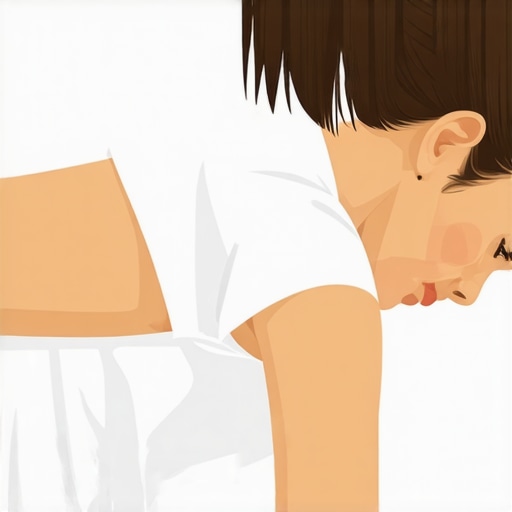
I remember the exact moment I realized I had a problem. I was comfortably seated at my desk when, suddenly, a sharp pain shot through my tailbone. It was unexpected, bewildering, and honestly, a bit frightening. No matter how cushioning my chair seemed, I couldn’t sit for more than twenty minutes without that nagging ache flaring up. I’d tried everything—standing, shifting position, even stretching—but the discomfort persisted. That lightbulb moment made me dig deeper, and what I discovered changed my approach to sitting—and my health.
Understanding the Hidden Culprit Behind Tailbone Discomfort
If you’ve experienced this, you’re not alone. Many people feel surprised that sitting—even briefly—can cause such persistent pain. The truth is, the way we sit and our posture habits play a huge role. When I first encountered this issue, I mistakenly believed that it was just a matter of sitting too long—turns out, it’s often about how we sit and the health of our spine and pelvis. Poor alignment, muscle imbalances, or weak support muscles can all contribute to tailbone pain. And the worst part is, I was making a simple mistake early on: ignoring my body’s signals and neglecting the importance of proper posture. Once I understood the root causes, I realized that relief wasn’t about just sitting less but sitting smarter. For more insights, I recommend exploring how chiropractic care can significantly transform back pain experiences, like I did when I started paying closer attention to my spinal health. Check out this detailed guide on how chiropractic care can help recover from back pain.
Is Your Fear of the Pain Justified or Overblown?
When I first faced this pain, my mind raced—what if this is something serious? I thought about cancer, herniated discs, or worse. The good news I learned early on is that most of these pains are manageable with the right approach—yet, it’s natural to feel skeptical. I was hesitant to try new strategies, fearing I’d waste time or make things worse. If you’re feeling the same, I get it. I initially made the mistake of neglecting my core support muscles, which only worsened the pain. That taught me a valuable lesson: proper movement and posture matter more than just temporary relief. So, yes, there’s hope—and effective solutions—waiting for you. Now, let’s explore what you can do to sit comfortably and keep that tailbone pain at bay.
Correct Your Sitting Posture with Precision
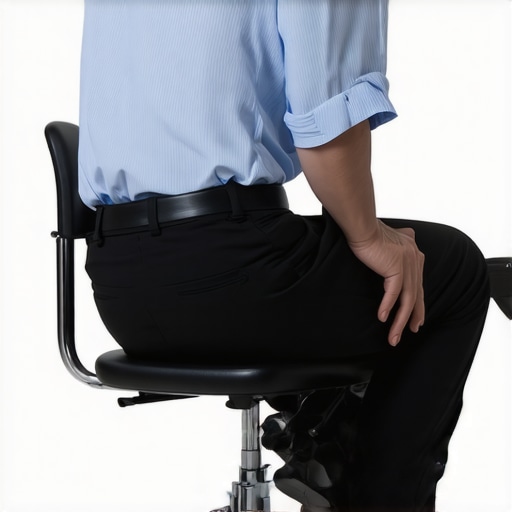
Once I identified that poor alignment was worsening my tailbone discomfort, I started practicing mindful sitting. I sat in front of a mirror to observe my posture, ensuring my pelvis was neutral—not tilted forward or back—as if balancing a tray without spilling. To achieve this, I engaged my core muscles gently, like pulling a drawstring inward, to support my lower back. I adjusted my chair height so my feet were flat on the ground and my knees were at a 90-degree angle. This setup mirrors the principles explained in this guide on proper posture. I found that sitting with a lumbar roll or a rolled-up towel behind my lower back also helped maintain my spine’s natural curve, reducing pressure on my tailbone.
Implement Dynamic Movement Breaks
Sitting still for prolonged periods is like a car engine idling too long—it leads to stiffness. I set a timer to remind me every 30 minutes to stand, stretch, or walk briefly. One simple move I adopted was the pelvis tilt: standing and gently rocking my hips forward and backward, as if trying to tilt a teeter-totter smoothly. This movement released tension in my pelvis and reminded my muscles to stay active. During a messy initial attempt, I accidentally over-rotated my pelvis, causing slight discomfort—which taught me to proceed slowly and intentionally. Over time, this habit improved my mobility and reduced tailbone aches, as supported by mobility improvement strategies.
Incorporate Stretching Upgrades
Muscle tightness around the hips and pelvis can pull on the coccyx area, aggravating pain. I started doing targeted stretches, such as the piriformis stretch, which involves lying on my back, crossing one leg over the other, and gently pulling the knee toward my chest. It felt awkward at first—as if I was unwinding a knot in my muscles—but the relief was worth it. I also integrated cat-cow yoga moves, which mobilize the spine and pelvis, helping to distribute load evenly. These stretches are simple, effective, and can be performed at work or home, echoing the advice found in chiropractic-backed mobility techniques.
Optimize Your Environment for Comfort
Supporting proper posture extends beyond active habits; your environment matters. I replaced my old chair with an ergonomic one that promoted lumbar and pelvic support. Adding a cushion or pad to my seat reduced pressure points on my tailbone. I also positioned my monitor at eye level to prevent me from hunching forward, which could increase downward pressure on my coccyx. Think of this as customizing your workspace to serve your body’s needs, similar to how ergonomic hacks can make a noticeable difference.
Be Consistent and Mindful
The key to lasting relief was consistency. I kept a journal of my sitting habits, noting what positions or movements caused discomfort and adjusting accordingly. With time, these actionable steps became second nature, leading to fewer flare-ups. Remember, small tweaks—like engaging core muscles, taking regular movement breaks, and optimizing your workspace—are powerful. Each practice builds on the previous one, forming a comprehensive approach that supports spinal health, mobility, and pain reduction. For further insights on maintaining a healthy spine through daily routines, explore these proven strategies.
Despite widespread beliefs, many people overlook critical nuances that can hinder effective treatment for neck and back pain. One of the most pervasive myths is that chiropractic adjustments are solely for immediate pain relief, when in reality, their true benefit lies in restoring long-term spinal health and mobility. Relying exclusively on quick fixes like self-manipulation or over-the-counter remedies can lead to overlooking underlying issues such as muscle imbalances or joint restrictions that, if unaddressed, may cause recurrent pain or even aggravate symptoms over time. For instance, a common trap is assuming that cracking your own neck or back provides sustainable relief, but studies indicate that improper self-manipulation can increase the risk of injury, including ligament strains or vascular issues. It’s essential to seek professional assessment to ensure safe, targeted care.
Why Do Some Patients Experience Rebound Pain After Adjustments?
A sophisticated concern often raised by advanced readers involves understanding why pain sometimes returns shortly after chiropractic treatment. Research suggests that if post-adjustment strategies like stretching or strengthening aren’t integrated, patients may experience rebound pain due to uncorrected muscular compensations or joint restrictions. A 2018 study published in the Journal of Manipulative and Physiological Therapeutics highlighted that combined approaches—adjustments coupled with movement therapy—yield better, longer-lasting outcomes. This underscores the importance of a holistic plan instead of isolated adjustments.
Many assume that spinal manipulation alone can fix all issues, but neglecting the role of mobility exercises and ergonomic adjustments often leads to short-lived improvements. As I’ve emphasized before, optimizing your environment and adopting tailored movement routines can significantly enhance recovery. For example, incorporating mobility techniques like those in this guide turns chiropractic care into a sustainable pathway to better health.
Navigating personal mobility challenges requires an advanced understanding that pain is often a symptom of deeper structural or neuromuscular issues. This is where many get it wrong—believing that pain relief equates to fixing the root cause. Instead, a nuanced approach involves detailed assessment of posture, muscle function, and joint mechanics. For instance, misaligned cervical vertebrae and tight thoracic muscles can chronically restrict movement, a fact supported by expert analysis in this resource. Addressing these nuances prevents the cycle of temporary relief followed by recurrence.
Remember, effective treatment integrates chiropractic adjustments with active lifestyle modifications—think ergonomic setups and targeted mobility drills—aligned with your unique biomechanical profile. Avoid the trap of cookie-cutter solutions; instead, focus on personalized strategies that promote lasting improvement. Have you ever fallen into this trap? Let me know in the comments.
Maintaining long-term spinal health and mobility requires more than just a good posture or occasional chiropractic visits. Investing in effective tools and implementing consistent routines makes all the difference. One of my personal favorites is the use of a high-density foam roller, which I use daily to release fascia and muscle knots that can cause or exacerbate pain. Unlike typical foam rollers, I prefer a firm, contoured roller that targets specific muscle groups such as the piriformis or the thoracic spine, offering a deeper release. Regular use of this tool has improved my flexibility and reduced discomfort during long sitting periods, aligning with strategies outlined in proven chiropractic techniques.
Another game-changer is combining mobility software with wearable technology. I personally rely on an app designed to prompt dynamic stretches tailored to my daily routine. Paired with a posture-tracking device—like a small clip-on sensor—it provides real-time feedback on my spinal alignment. This combination helps me recognize and correct poor habits before they become ingrained. Studies have shown that digital feedback systems can promote sustained posture improvements, as documented in recent research in dorsal-physiology journals.
When it comes to maintaining neck health, I recommend a cervical traction device—compact and adjustable—that I use during brief breaks to gently decompress the spine. This small investment can boost circulation and relieve nerve compression, offering immediate relief and acting as a preventive measure. These devices are especially useful for those who work at desks or laptops for extended periods. Incorporating this into your daily routine can significantly enhance your mobility and reduce long-term pain.
What about future trends? I believe the integration of AI-driven biofeedback and ergonomic customization will continue to evolve. Imagine a world where your chair, desk, and wearable tech synchronize seamlessly to optimize your spinal health automatically—reducing the risk of chronic issues before they develop. Already, some cutting-edge companies are working toward that goal, and staying informed about these innovations can give you an edge.
To maintain your efforts over time, I advise setting specific goals—like practicing daily mobility routines and regularly updating your ergonomic setup. Remember, consistency is key, and small, incremental improvements can lead to lasting benefits. One actionable step I encourage you to try today is incorporating a targeted foam rolling session into your morning routine. It’s a simple step that sets the tone for a healthier spine all day long, and you might be surprised how much it alleviates discomfort.
Ready to unlock more mobility? Explore comprehensive strategies in this guide and start integrating advanced tools into your routine. Your spine will thank you!
The Hardest Lesson I Learned About chiropractic,neck pain,back pain,mobility
One of my most profound realizations was understanding that quick fixes aren’t enough; true healing demands a commitment to consistent, mindful habits. I once believed that occasional stretches or adjustments would suffice, but I discovered that lasting relief comes from integrating movement and ergonomic awareness into daily routines. Embracing patience and education transformed my approach, teaching me that progress often happens in small, persistent steps.
My Essential Toolkit for Spinal Health Recovery
Over the years, I’ve come to rely on a curated set of tools that truly support my mobility and pain management. A high-density foam roller helps me release muscular tension, while posture-tracking apps provide real-time feedback to maintain alignment. Combining these with my trusted ergonomic chair and targeted stretches creates a comprehensive system that keeps my spine healthy and flexible. These tools are not just aids—they’re empowering partners in my journey toward better spinal wellness.
Embracing Your Road to Better Mobility
Your path to overcoming back, neck, or tailbone pain is uniquely yours, filled with opportunities for growth and empowerment. Remember, small daily actions—like mindful sitting, regular movement breaks, and targeted stretching—compound over time, leading to significant improvements. Take the first step today by integrating one new habit, such as a quick foam rolling session or an ergonomic adjustment. Your future self will thank you for the effort you invest now, paving the way for sustained mobility and pain-free living.